
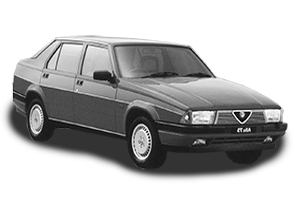
Brake Calipers ALFA-ROMEO 75
#WSK
Select year
1989.09
(81)
1992.02
(81)
1992.02
(95)
1989.06
(85)
1992.02
(90)
1992.02
(88)
1992.12
(95)
1992.02
(110)
1990.01
(114)
1988.10
(94)
1992.02
(109)
1992.02
(107)
1992.09
(70)
1992.02
(82)
1986.08
(110)
1990.12
(116)
1992.02
(141)
1992.02
(136)
At IC24.UK, you’ll find a wide range of brake calipers designed for a broad selection of car makes and models. Our offer includes front and rear brake calipers, as well as complete units and components suitable for various braking system configurations.
All products are sourced from trusted manufacturers and meet the required standards for fitment, durability and braking performance. To ensure compatibility, simply select your vehicle and browse brake calipers matched precisely to your car — removing guesswork and making replacement straightforward.
What is a brake caliper?
A brake caliper is a key component of the braking system. During braking, it presses the brake pads against the disc. Its construction includes pistons, a housing and guide pins. These parts are responsible for the smooth and even operation of the mechanism. The brake caliper uses a hydraulic system with brake fluid. It converts hydraulic force into frictional force, which stops the vehicle.
How does a brake caliper work?
During braking, the brake caliper presses the brake pads against the disc. It uses hydraulic force transferred through the brake fluid. When you press the brake pedal, the fluid pressure moves the pistons inside the caliper. They then press the pads firmly against the surface of the brake disc. As a result, friction is created, which effectively slows down or stops the wheel from turning.
What types of brake calipers are there?
Brake calipers come in two main types: fixed and floating. A fixed caliper has pistons on both sides of the disc. This allows pressure to be distributed evenly across the pads and the disc. A floating caliper has a piston on one side only. Thanks to its movable housing, it adjusts to the brake disc, although it does not provide pressure as evenly as the fixed version.
How to choose a brake caliper?
You should choose a brake caliper based on:
- compatibility with your vehicle,
- brake disc diameter,
- number of pistons.
When choosing, check whether the caliper is designed for your specific vehicle model. Also make sure it matches the mounting type used in your braking system. The materials used and resistance to high temperatures are also important.
- Engine Oil ALFA-ROMEO 75
- Car Body ALFA-ROMEO 75
- Engine Parts ALFA-ROMEO 75
- Tyres ALFA-ROMEO 75
- Wiper Blades ALFA-ROMEO 75
- Brake Discs ALFA-ROMEO 75
- Brake Pads ALFA-ROMEO 75
- Oil Filters ALFA-ROMEO 75
- Fuel Filters ALFA-ROMEO 75
- Air Filters ALFA-ROMEO 75
- Suspension Parts ALFA-ROMEO 75
- Stabilizer ALFA-ROMEO 75
- Ignition/Glow System ALFA-ROMEO 75
- Bulbs ALFA-ROMEO 75
- Car Filters ALFA-ROMEO 75
- Clutch ALFA-ROMEO 75
- Batteries ALFA-ROMEO 75
- Tuning ALFA-ROMEO 75
- Engine Radiator ALFA-ROMEO 75
- Exhaust System ALFA-ROMEO 75
- Intake System ALFA-ROMEO 75
- Intercoolers ALFA-ROMEO 75
- Muffler ALFA-ROMEO 75
- Shock absorbers ALFA-ROMEO 75
- Flywheel ALFA-ROMEO 75
- Brakes ALFA-ROMEO 75