
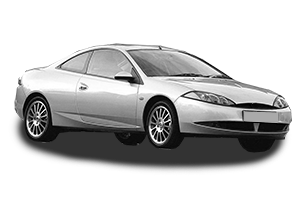
Shock absorbers FORD COUGAR
#WSK
Select year
2001.12
(96)
2001.12
(151)
2001.12
(125)
2001.12
(125)

KYB
Shock absorber KYB335919
Ford Cougar: Common Problems, Repairs, and Maintenance Guide
Year of manufacture: 1998–2002 (Primarily)
Introduction
The Ford Cougar is a stylish and sporty compact coupe manufactured between 1998 and 2002. While it's known for its performance and aesthetic appeal, like many cars, it is not without its issues. This guide explores the most common problems owners face, the necessary repairs, and the recommended maintenance schedule for the Cougar.
Common Problems with the Ford Cougar
1. Transmission Issues
One of the most commonly reported problems with the Ford Cougar is related to its transmission. Owners have frequently noted issues with the automatic transmission, including hesitation when shifting gears and rough transitions. This can often be linked to the transmission fluid becoming degraded over time. It's important to change the fluid at regular intervals to avoid further damage.
2. Rust Issues
Rust, particularly in the rear wheel arches, is a well-known issue with the Ford Cougar. The car's underbody can also suffer from rust, which may go unnoticed without regular inspections. It's advisable to have the car treated with rust inhibitors and ensure that any paint chips or scratches are promptly touched up to prevent further corrosion.
3. Suspension and Steering Problems
Suspension issues, particularly with the rear suspension, have been reported by Cougar owners. These issues are often associated with worn-out bushings, shock absorbers, and coil springs. Regularly checking the suspension system and replacing worn-out parts can help maintain the vehicle's handling and ride comfort.
4. Electrical Problems
Electrical issues, such as malfunctioning window motors, faulty sensors, or issues with the central locking system, have been commonly reported. These can often be traced back to either worn-out electrical components or poor connections. Keeping an eye on electrical systems and ensuring connections are secure is key to avoiding costly repairs.
5. Engine Cooling System Failures
Overheating due to radiator or coolant system failures is another issue frequently cited by owners. The Cougar's cooling system can suffer from issues such as leaking hoses or a failing water pump. Regular inspection and coolant replacement will help avoid engine overheating and ensure the car runs smoothly.
Maintenance and Repair
1. Regular Fluid Changes
Changing fluids regularly is essential to maintaining the longevity of the Ford Cougar. Key fluids include:
- Engine Oil: Change every 6,000 to 8,000 miles for optimal engine health.
- Transmission Fluid: Replace every 30,000 miles, especially if you notice any issues with shifting or performance.
- Brake Fluid: Inspect and replace every 20,000 miles or whenever you notice any changes in braking performance.
- Coolant: Flush and replace the coolant every 2 years or 30,000 miles.
2. Suspension and Brake Maintenance
The suspension system of the Cougar should be checked every 12,000 miles or at the first sign of discomfort while driving. Replacing shock absorbers, coil springs, and bushings will ensure that the vehicle’s handling remains stable. Brake pads and discs should also be inspected regularly to ensure your safety, especially after 25,000 miles.
3. Timing Belt and Chains
For the 2.5L V6 engine, it is crucial to replace the timing belt every 60,000 miles to prevent engine damage in case of a failure. Timing chains typically last longer, but you should still inspect them at regular intervals to avoid any expensive repairs.
Commonly Replaced Parts
- Clutch Kit: The clutch is known to wear out early in the Cougar, especially if it has been driven hard or frequently in traffic.
- Suspension Components: Control arms, bushings, and ball joints may require replacement due to wear over time.
- Brake Pads and Discs: Frequent city driving can cause brake pads to wear down quicker, so replacements are necessary every 25,000 to 30,000 miles.
- Timing Belt: As mentioned earlier, the timing belt is critical for the longevity of the engine and should be replaced as per the schedule.
Technical Bulletins and Recall Information
Owners should be aware of any recalls or technical service bulletins (TSBs) issued by Ford for their vehicles. Some common TSBs for the Ford Cougar include:
- Electrical system malfunction affecting the central locking system.
- Transmission software updates for improved shifting performance.
- Fuel pump relay replacement to prevent sudden engine stalling.
It is advisable to regularly check for recalls through official Ford websites or your local dealer and ensure that your vehicle remains compliant with the latest safety and performance updates.
Conclusion
While the Ford Cougar offers an enjoyable driving experience, it is not immune to mechanical and electrical issues. Regular maintenance, fluid changes, and attention to the most common problem areas can help keep the Cougar running smoothly for many years. Always remember to follow the manufacturer’s recommended maintenance schedule and address any issues promptly to ensure the longevity of your vehicle.
- Engine Oil FORD COUGAR
- Car Body FORD COUGAR
- Engine Parts FORD COUGAR
- Tyres FORD COUGAR
- Wiper Blades FORD COUGAR
- Brake Discs FORD COUGAR
- Brake Pads FORD COUGAR
- Oil Filters FORD COUGAR
- Fuel Filters FORD COUGAR
- Air Filters FORD COUGAR
- Suspension Parts FORD COUGAR
- Stabilizer FORD COUGAR
- Ignition/Glow System FORD COUGAR
- Bulbs FORD COUGAR
- Car Filters FORD COUGAR
- Clutch FORD COUGAR
- Batteries FORD COUGAR
- Tuning FORD COUGAR
- Engine Radiator FORD COUGAR
- Exhaust System FORD COUGAR
- Intake System FORD COUGAR
- Intercoolers FORD COUGAR
- Brake Calipers FORD COUGAR
- Muffler FORD COUGAR
- Flywheel FORD COUGAR
- Brakes FORD COUGAR