
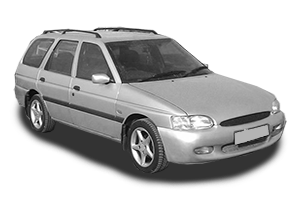
Shock absorbers FORD ESCORT
#WSK
Select year
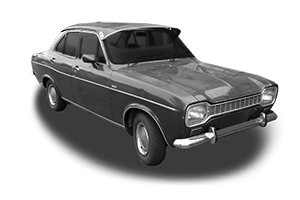
1971.06
(33)
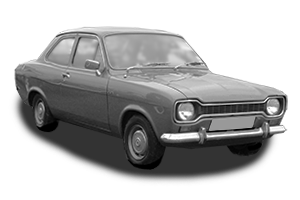
1980.08
(34)
1980.08
(35)
1980.08
(32)
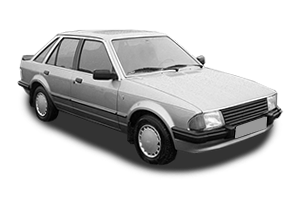
1983.08
(43)
1985.12
(37)
1983.08
(40)
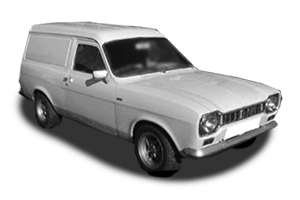
1986.02
(37)
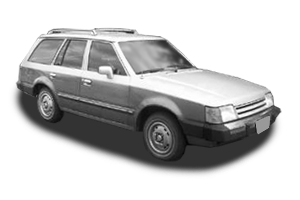
1983.08
(40)
1985.12
(37)
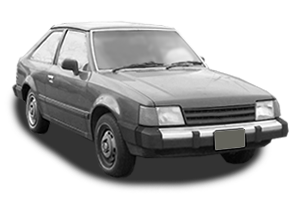
1990.07
(37)
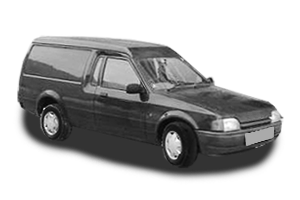
1990.07
(37)
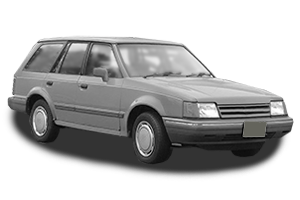
1990.09
(37)
1985.12
(51)

1985.12
(51)
1986.02
(51)
1985.12
(51)
1988.07
(51)
1988.07
(51)
1990.07
(44)
1990.10
(46)
1990.07
(44)
1990.07
(46)
1990.07
(44)
1976.02
(40)
1980.08
(44)
1980.08
(40)
1980.08
(51)
1980.08
(42)
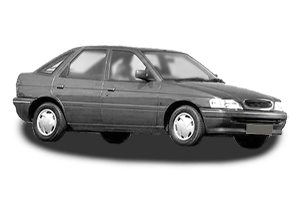
1995.01
(44)

1994.12
(46)
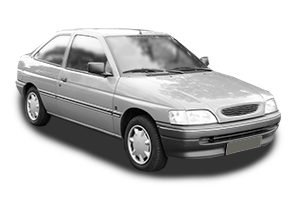
1995.01
(44)
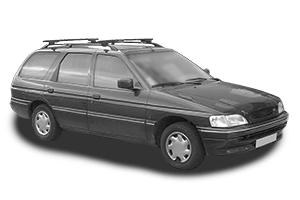
1995.01
(44)
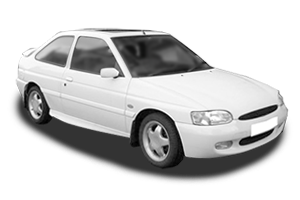
1998.10
(44)

1997.08
(44)
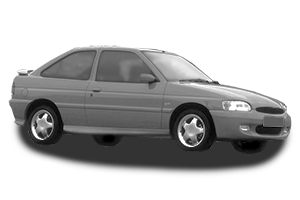
1999.02
(44)
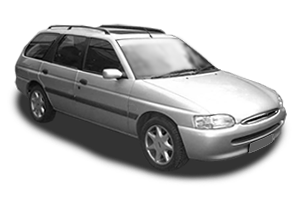
1999.01
(44)
1985.12
(43)
1994.12
(52)
1990.10
(51)
1990.07
(55)
1990.07
(54)
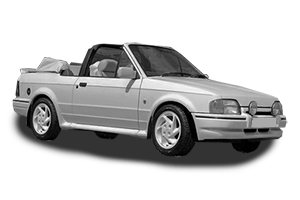
1990.07
(55)
1990.07
(54)
1990.07
(54)
1990.07
(54)
1990.10
(51)
1990.07
(55)
1995.01
(52)
1994.12
(55)

1994.04
(52)
1995.01
(55)
1994.04
(52)
1995.01
(55)
1995.01
(55)
1995.01
(52)
1999.12
(54)
1998.10
(55)
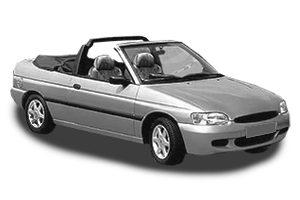
1998.08
(55)
2000.08
(54)
1999.02
(55)
1996.12
(54)
1999.02
(55)
1996.12
(54)
1971.08
(80)
1986.02
(67)

2000.07
(66)
2000.07
(66)
1982.10
(71)
1985.12
(58)
1985.12
(66)
1985.12
(97)
1985.12
(77)
1985.12
(85)
1985.12
(58)
1985.12
(77)
1986.02
(61)
1985.12
(58)
1988.12
(58)
1990.07
(75)
1990.07
(97)
1989.08
(77)
1987.12
(58)
1990.07
(75)
1990.07
(77)
1990.07
(60)
1990.07
(58)
1995.01
(66)
1995.01
(65)
1995.01
(66)
1995.01
(65)
1995.01
(65)
1995.01
(66)
1995.01
(65)
1995.01
(66)
1998.10
(66)
1998.10
(66)
1995.08
(65)
1999.09
(66)
1996.12
(65)
1999.02
(66)
1995.08
(65)
1999.02
(66)
2002.08
(70)
1995.08
(65)
1980.08
(62)
1990.07
(65)
1990.05
(66)
1990.07
(66)
1990.07
(66)
1992.08
(66)
1993.08
(77)
1993.08
(77)
1992.09
(77)
1992.08
(66)
1980.12
(64)
1985.12
(40)
1986.02
(40)
1985.12
(40)
1989.01
(40)
1990.07
(40)
1989.01
(40)
2000.07
(66)
2000.07
(66)
1990.07
(44)
1990.07
(44)
1990.07
(44)
1995.01
(44)
1995.01
(66)
1994.12
(44)
1995.01
(44)
1995.01
(66)
1995.01
(44)
1995.01
(66)
1996.12
(44)
1998.10
(66)
1998.10
(51)
1998.08
(66)
1999.08
(51)
2000.08
(44)
2000.08
(66)
2001.06
(51)
1996.12
(44)
1999.02
(66)
1999.02
(51)
1999.02
(44)
1999.02
(66)
1999.02
(51)
1995.01
(96)
1995.01
(77)
1995.01
(77)
1995.01
(96)
1995.01
(77)
1995.01
(96)
1995.01
(77)
1995.01
(77)
1995.01
(96)
2001.11
(67)
1995.08
(77)
1998.10
(85)
1998.08
(85)
2000.08
(96)
1998.08
(77)
1999.02
(85)
1995.08
(77)
1999.02
(85)
1995.08
(77)
1977.08
(92)
1980.08
(80)
1977.02
(73)
1995.01
(162)
1998.10
(162)
1995.01
(110)
1995.01
(110)
1998.02
(110)
1998.10
(110)
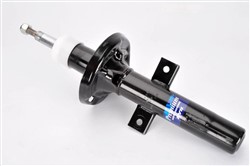
KYB
Shock absorber KYB633821
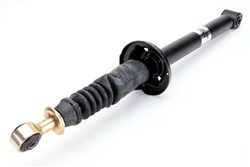
MAGNUM TECHNOLOGY
Shock absorber AHG058MT
Ford Escort: Common Problems and Maintenance Guide
Explore the most common issues and essential maintenance tips for keeping your Ford Escort running smoothly.
Introduction
The Ford Escort is a popular model that has been in production for many years, with a loyal following. Known for its compact design and efficient performance, it remains a favorite among drivers who appreciate a reliable and affordable vehicle. However, like all cars, the Escort has its share of common problems that owners should be aware of. In this guide, we'll discuss the most frequent issues and provide maintenance tips, including recommended fluids and replacement schedules.
Common Problems with the Ford Escort
While the Ford Escort is generally reliable, there are several issues that can arise as it ages. Here are the most common problems reported by owners:
1. Transmission Issues
Many Ford Escort owners have reported problems with the automatic transmission. Symptoms include slipping gears, delayed shifting, and rough transitions. This often occurs at higher mileages (over 100,000 miles) and may require a transmission fluid change or even a full transmission rebuild.
2. Electrical System Failures
Electrical issues, such as malfunctioning alternators and faulty wiring, are common in older Escorts. The alternator can fail after around 80,000 to 100,000 miles, leading to a dead battery or dimming headlights. It's recommended to regularly check the battery and alternator, especially if you notice signs of electrical problems.
3. Suspension Problems
The suspension system in the Ford Escort can wear out over time, especially if the car has been driven on rough roads. Common signs of suspension issues include uneven tire wear, a rough ride, or squeaking sounds when turning. Shock absorbers and struts typically need replacement after 80,000 miles.
4. Exhaust System Wear
Exhaust system parts, including the catalytic converter and muffler, are prone to corrosion and wear. This is especially true for older Escorts exposed to road salt in winter climates. A failing exhaust system can cause poor fuel efficiency and increased emissions.
5. Fuel System Failures
Fuel injectors and fuel pumps in the Ford Escort can fail after extended use, especially after reaching around 120,000 miles. Poor fuel economy, engine misfires, or difficulty starting the car could be signs of issues with the fuel system.
Maintenance and Replacement Tips
To ensure the longevity of your Ford Escort and prevent costly repairs, regular maintenance is essential. Here are some key areas to focus on:
1. Engine Oil
Regular oil changes are critical to maintaining engine health. For most Ford Escort models, it’s recommended to change the engine oil every 3,000 to 5,000 miles. Always use the recommended oil type, which is usually 5W-30 or 10W-30 depending on the engine type and climate. Using high-quality synthetic oil can prolong engine life and improve performance.
2. Air Filters
Air filters prevent dirt and debris from entering the engine. A clogged air filter can reduce fuel efficiency and cause engine misfires. Check and replace the air filter every 12,000 to 15,000 miles, or more frequently if you drive in dusty conditions.
3. Timing Belt
The timing belt is a critical component of the Ford Escort’s engine. If it breaks, it can cause severe engine damage. Replace the timing belt every 60,000 to 100,000 miles to avoid costly repairs. Be sure to follow the manufacturer's recommendations for your specific year and model.
4. Brake Pads and Rotors
Brake pads in the Ford Escort typically need replacing every 30,000 to 50,000 miles, depending on driving habits. If you notice squeaking or grinding noises, it's time to inspect the pads and rotors. If the brake fluid is low, it could be an indication of worn brake pads or air in the brake lines.
5. Tires
Regularly check tire tread depth and tire pressure to ensure safety and maximize tire life. Rotate the tires every 6,000 to 8,000 miles to ensure even wear and extend their lifespan. Proper tire inflation is also important for fuel efficiency.
6. Coolant and Radiator
The Ford Escort’s engine relies on coolant to maintain optimal operating temperatures. Check the coolant levels regularly and replace the coolant every 30,000 miles or as specified in the owner’s manual. A failing radiator can lead to overheating and engine damage, so keep an eye out for any coolant leaks.
Essential Fluids and Replacement Intervals
Keeping your Ford Escort’s fluids at the right levels is crucial for performance and longevity. Below is a list of the essential fluids and their recommended replacement intervals:
1. Engine Oil
As mentioned, change the engine oil every 3,000 to 5,000 miles, depending on your driving style and the type of oil used.
2. Transmission Fluid
Transmission fluid should be changed every 30,000 to 60,000 miles, depending on the model and driving conditions. Be sure to use the recommended fluid for your specific year and model of the Ford Escort.
3. Brake Fluid
Brake fluid should be replaced every 30,000 to 60,000 miles. If you notice that the brake pedal feels soft or spongy, it could indicate air in the brake lines or a brake fluid leak, and immediate replacement is necessary.
4. Power Steering Fluid
Check the power steering fluid level regularly, especially if you notice difficulty in steering. Replace it every 50,000 miles to ensure smooth and responsive steering.
5. Coolant
Coolant should be replaced every 30,000 miles or as recommended by your vehicle’s manual. Flushing the radiator periodically helps prevent overheating and corrosion inside the cooling system.
Conclusion
By keeping on top of maintenance and addressing common issues proactively, you can ensure that your Ford Escort continues to provide reliable service for years to come. Regular oil changes, tire rotations, and addressing electrical or suspension problems early on can prevent more costly repairs in the future. Always refer to the owner’s manual for specific recommendations regarding maintenance intervals and fluid types. With proper care, your Ford Escort will remain a trusted companion on the road.
- Engine Oil FORD ESCORT
- Car Body FORD ESCORT
- Engine Parts FORD ESCORT
- Tyres FORD ESCORT
- Wiper Blades FORD ESCORT
- Brake Discs FORD ESCORT
- Brake Pads FORD ESCORT
- Oil Filters FORD ESCORT
- Fuel Filters FORD ESCORT
- Air Filters FORD ESCORT
- Suspension Parts FORD ESCORT
- Stabilizer FORD ESCORT
- Ignition/Glow System FORD ESCORT
- Bulbs FORD ESCORT
- Car Filters FORD ESCORT
- Clutch FORD ESCORT
- Batteries FORD ESCORT
- Tuning FORD ESCORT
- Engine Radiator FORD ESCORT
- Exhaust System FORD ESCORT
- Intake System FORD ESCORT
- Intercoolers FORD ESCORT
- Brake Calipers FORD ESCORT
- Muffler FORD ESCORT
- Flywheel FORD ESCORT
- Brakes FORD ESCORT