
Parts FORD KA
#WSK
Select year

(46)
(48)

2016.05
(51)
2016.05
(55)
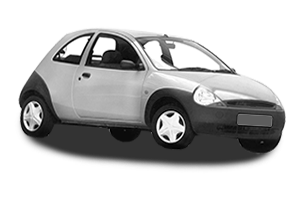
2008.11
(44)
2002.10
(37)
2008.11
(36)
2008.11
(51)

2004.03
(51)
2005.05
(44)
2008.11
(70)
2008.09
(71)
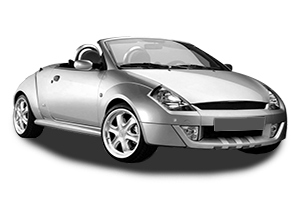
2005.07
(70)
Ford Ka: Common Problems, Repairs, and Maintenance Guide
Explore the most common issues faced by owners of the Ford Ka, recommended repair tips, and essential maintenance schedules to keep your car running smoothly.
Introduction to the Ford Ka
The Ford Ka is a small city car produced by the Ford Motor Company. It first made its debut in 1996 and has since become one of the most iconic compact cars in Europe. Known for its affordability, compact size, and ease of maneuverability, the Ford Ka is an excellent option for urban driving. However, like all cars, the Ka does have some common issues that owners should be aware of.
Common Problems with the Ford Ka
1. Engine Misfires
One of the most common problems in older Ford Ka models is engine misfires. This can occur due to a range of issues such as a faulty ignition coil, worn spark plugs, or dirty fuel injectors. Engine misfires typically result in poor acceleration, uneven idling, and a rough engine performance. Replacing the ignition coil and spark plugs can resolve this issue.
2. Power Steering Failure
Power steering failure is another common issue, particularly in the earlier models of the Ford Ka. This often manifests as difficulty in steering the vehicle or a steering wheel that is much harder to turn than usual. The most common cause is a failure of the power steering pump or issues with the fluid levels. Regular maintenance of the power steering system, including fluid checks and replacement, is essential to avoid this problem.
3. Rusting Issues
Rust can become an issue with older Ford Ka models, especially around the wheel arches and doors. The compact size and lower ride height make it prone to damage from road salt and moisture accumulation. Regular inspection for signs of rust and prompt treatment with rust inhibitors or repairs is important to maintain the car's exterior integrity.
4. Electrical System Failures
Electrical system issues, such as malfunctioning lights, faulty wiring, or failure of the car’s ECU (electronic control unit), can occur. These problems can be caused by aging wiring or poor connections in the system. It's advised to have the electrical components regularly inspected and repaired by a qualified mechanic.
5. Suspension Problems
Due to the car’s compact nature, suspension problems can be common, especially on rougher roads. Worn shock absorbers, bushings, or ball joints can lead to poor handling and increased tire wear. It is essential to replace these components promptly to ensure smooth driving and prevent further damage to the suspension system.
Ford Ka Maintenance Schedule
1. Engine Oil and Filter Change
It is recommended to change the engine oil and filter every 10,000 to 15,000 miles or annually, depending on the model year and driving conditions. Regular oil changes help maintain engine health and prevent wear and tear.
2. Brake Fluid Check
Brake fluid should be checked and replaced every two years or 24,000 miles. Low or dirty brake fluid can impair the braking system, leading to reduced braking performance and safety hazards.
3. Air Filter Replacement
The air filter should be replaced every 12,000 to 15,000 miles to ensure that the engine receives a sufficient amount of clean air for combustion. A clogged air filter can reduce fuel efficiency and affect engine performance.
4. Timing Belt Replacement
For models with a timing belt, it is crucial to replace it every 60,000 to 100,000 miles to prevent the belt from snapping and causing serious engine damage. Regular inspection of the timing belt is recommended for early detection of wear.
5. Tire Rotation and Alignment
Tires should be rotated every 6,000 to 8,000 miles to ensure even wear. Regular alignment checks are also recommended to prevent uneven tire wear and maintain proper handling.
Fluids and Consumables
1. Engine Oil
It’s important to use high-quality engine oil that meets the specifications outlined in the owner’s manual. Synthetic oils are recommended for better performance and longevity of the engine, especially in cold temperatures.
2. Coolant
The coolant should be checked regularly and replaced every 2 to 3 years to prevent overheating and ensure that the engine operates within the optimal temperature range. Ensure that the correct type of coolant is used for your Ford Ka.
3. Transmission Fluid
Ford recommends changing the transmission fluid at around every 30,000 to 60,000 miles to ensure smooth shifting and prevent transmission issues. Be sure to check the fluid levels regularly and top up if necessary.
4. Power Steering Fluid
Power steering fluid should be topped up as needed, especially if you notice difficulty turning the steering wheel. Check the fluid level at regular intervals to avoid power steering failure.
5. Brake Pads and Fluid
Brake pads should be inspected every 12,000 miles, and replaced as necessary to ensure effective braking. Brake fluid should be replaced every 2 years to maintain braking performance.
Conclusion
Owning a Ford Ka offers many benefits, including fuel efficiency and ease of handling in urban environments. However, like any vehicle, it is important to be aware of its potential issues and ensure regular maintenance to avoid costly repairs. By following a proper maintenance schedule and addressing common problems early, you can keep your Ford Ka running smoothly for many years.
- Engine Oil FORD KA
- Car Body FORD KA
- Engine Parts FORD KA
- Tyres FORD KA
- Wiper Blades FORD KA
- Brake Discs FORD KA
- Brake Pads FORD KA
- Oil Filters FORD KA
- Fuel Filters FORD KA
- Air Filters FORD KA
- Suspension Parts FORD KA
- Stabilizer FORD KA
- Ignition/Glow System FORD KA
- Bulbs FORD KA
- Car Filters FORD KA
- Clutch FORD KA
- Batteries FORD KA
- Tuning FORD KA
- Engine Radiator FORD KA
- Exhaust System FORD KA
- Intake System FORD KA
- Intercoolers FORD KA
- Brake Calipers FORD KA
- Muffler FORD KA
- Shock absorbers FORD KA
- Flywheel FORD KA
- Brakes FORD KA