
Parts HONDA ACCORD
#WSK
Select year
(138)
2002.12
(85)
2002.12
(79)
2002.12
(85)
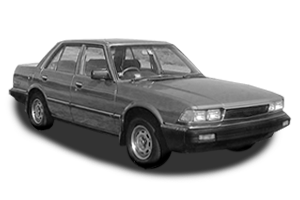
1985.10
(65)
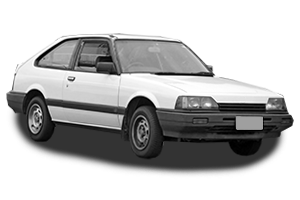
1985.10
(65)
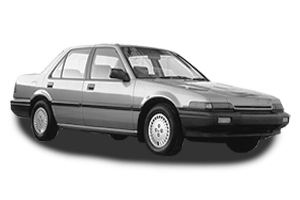
1989.12
(65)
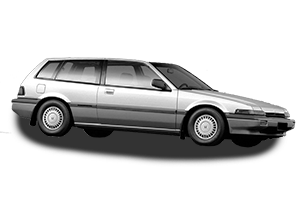
1989.12
(65)

1981.12
(59)
1983.09
(59)
1983.09
(59)
1985.10
(74)
1985.10
(74)
1991.12
(77)
1998.10
(85)
2002.12
(100)
2002.12
(100)
1989.12
(85)
1988.03
(75)
1989.05
(78)
1989.12
(75)
1989.12
(76)
1987.12
(90)
1989.12
(85)
1986.12
(101)
1989.05
(78)
1989.12
(76)
1989.12
(75)
1989.12
(85)
1987.12
(90)

1989.12
(90)
1987.12
(101)
1989.12
(98)
1998.10
(77)
2002.12
(77)
2000.10
(77)
(188)
1993.03
(81)
1993.03
(66)
1993.04
(99)
1993.03
(98)
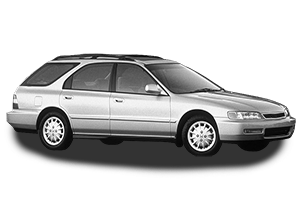
1993.12
(98)
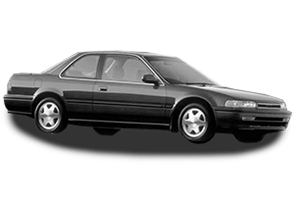
1993.09
(98)
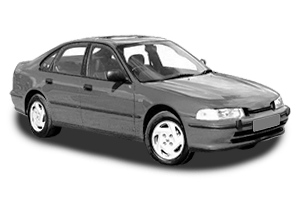
1996.01
(85)
1996.01
(96)
1998.10
(96)
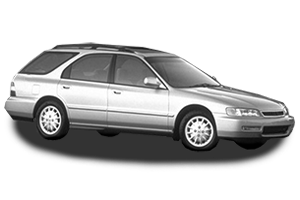
1998.02
(100)
1997.12
(100)
2001.01
(108)

2002.10
(107)
2003.06
(108)
2002.12
(108)

2012.09
(114)
2015.06
(115)
2015.06
(115)
2008.03
(110)
2008.05
(114)
2008.05
(114)
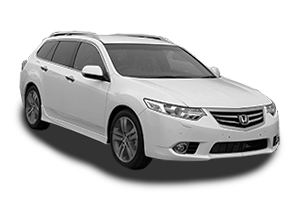
2008.05
(114)
1993.10
(103)
1993.03
(110)
1993.03
(108)
1993.12
(103)
1993.12
(110)
1993.12
(108)
1997.06
(110)
1998.10
(110)
1997.12
(107)
1998.02
(110)
1998.02
(110)
2002.12
(156)
2015.06
(132)
2015.06
(110)
2015.06
(110)
2015.06
(132)
2008.05
(103)
2008.05
(103)
2003.03
(112)
1999.01
(110)
2003.06
(113)
2002.12
(113)
1996.01
(116)

(141)
2008.05
(140)
2008.05
(115)
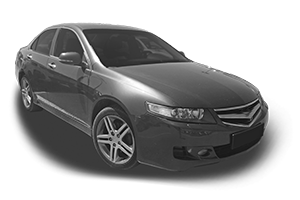
2008.01
(125)
2005.12
(118)
2008.05
(140)
2008.05
(147)

(138)
(139)
(132)
(129)
2015.06
(148)
2015.06
(148)
2003.06
(147)
(147)
2005.12
(177)
(207)
2012.09
(202)
Honda Accord: Common Problems, Maintenance, and Repair Guide
The Honda Accord is one of the most popular midsize sedans in the world, known for its reliability, comfort, and efficiency. However, like any vehicle, it does come with its own set of challenges. In this comprehensive guide, we'll dive into the most common problems faced by Honda Accord owners, the parts that require frequent maintenance, and the recommended service schedules.
Introduction to the Honda Accord
The Honda Accord has been a cornerstone of Honda’s lineup since its introduction in 1976. Over the years, it has evolved from a compact car to a midsize sedan. Known for its high resale value, fuel efficiency, and practicality, the Accord continues to be a top choice for buyers around the globe. Despite its reputation for reliability, certain models have specific issues that can arise over time. Regular maintenance and timely repairs can ensure the longevity of the vehicle.
Common Problems with the Honda Accord
While the Honda Accord is generally reliable, there are a few recurring issues that owners may encounter, especially as the vehicle ages. Here are some of the most common problems:
- Transmission Issues: Some Honda Accord models, especially those produced between 2003 and 2007, have been reported to experience transmission failure. This is often due to defective parts or low transmission fluid. If you notice rough shifting or slipping, it's crucial to get the transmission checked immediately.
- Air Conditioning Problems: Many owners of the 2010-2015 models report issues with the air conditioning system, including weak airflow or the system not blowing cold air. The problem is often linked to a faulty condenser or compressor.
- Suspension Problems: Premature wear on suspension components, such as the struts and shocks, has been noted in older models. This can result in a rough ride or unusual noises when driving over bumps.
- Power Steering Fluid Leaks: Some Honda Accords have been known to suffer from power steering fluid leaks due to a defective O-ring or hose, which may cause a whining noise and reduced steering response.
- Electrical Issues: Some models have experienced issues with the electrical system, including malfunctioning lights, window switches, and the ignition system.
Honda Accord Maintenance and Repair Schedule
Regular maintenance is crucial for ensuring the longevity and smooth operation of your Honda Accord. Here is a guide to the most important maintenance tasks, their recommended intervals, and the parts that may need replacement:
Oil and Filter Change
One of the most important aspects of car maintenance is keeping the engine oil fresh. The Honda Accord typically requires an oil change every 7,500 miles or 6 months, whichever comes first. Use high-quality synthetic oil that meets Honda’s specifications. Regular oil changes ensure optimal engine performance and longevity.
Air Filters
The air filter is essential for maintaining engine efficiency and fuel economy. It should be replaced every 15,000 to 30,000 miles, depending on driving conditions. Dirty or clogged air filters can reduce engine performance and increase fuel consumption.
Brake Pads and Rotors
Brake pads typically need replacing every 30,000 to 50,000 miles, depending on driving habits and road conditions. It’s also important to inspect the brake rotors, as they may need resurfacing or replacing if worn unevenly.
Timing Belt
If your Honda Accord is equipped with a timing belt (most models prior to 2007), it should be replaced every 60,000 to 100,000 miles. Failure to replace the timing belt can result in catastrophic engine damage.
Transmission Fluid
For automatic transmissions, Honda recommends checking the fluid every 30,000 miles and replacing it every 60,000 miles to avoid potential transmission problems. Using the correct transmission fluid is essential for smooth shifting and long-term performance.
Coolant
The coolant in your Honda Accord should be replaced every 60,000 miles or as per the owner’s manual. This helps to prevent overheating and corrosion in the engine's cooling system.
Tires
Inspect tires regularly for wear and replace them when the tread depth falls below 2/32 of an inch. Tire rotation is recommended every 6,000 to 8,000 miles to ensure even wear.
Parts That May Need Repair or Replacement
While the Honda Accord is known for its durability, there are certain parts that may need to be repaired or replaced over time:
- Alternator: The alternator provides power to the electrical system. If you notice dimming headlights or difficulty starting the car, the alternator may need to be replaced.
- Battery: A weak or dead battery can leave you stranded. The average lifespan of a Honda Accord battery is about 3-5 years, so it’s important to replace it as needed.
- Wiper Blades: Wiper blades should be replaced every 12 months or whenever you notice streaking or poor visibility.
- Exhaust System: A rusty or damaged exhaust system can lead to reduced engine performance and noise. If you hear unusual sounds or notice a decrease in fuel efficiency, it’s time for an inspection.
Fluids and Filters for the Honda Accord
In addition to the oil change, there are other essential fluids and filters that need attention:
- Engine Oil: Use 5W-20 or 0W-20 synthetic oil (depending on the model year) for optimal engine protection.
- Air Filter: Replace every 15,000 to 30,000 miles or as needed.
- Cabin Air Filter: Change the cabin air filter every 15,000 to 25,000 miles to maintain air quality inside the car.
- Brake Fluid: Honda recommends replacing brake fluid every 3 years or 36,000 miles to ensure optimal braking performance.
- Engine Oil HONDA ACCORD
- Car Body HONDA ACCORD
- Engine Parts HONDA ACCORD
- Tyres HONDA ACCORD
- Wiper Blades HONDA ACCORD
- Brake Discs HONDA ACCORD
- Brake Pads HONDA ACCORD
- Oil Filters HONDA ACCORD
- Fuel Filters HONDA ACCORD
- Air Filters HONDA ACCORD
- Suspension Parts HONDA ACCORD
- Stabilizer HONDA ACCORD
- Ignition/Glow System HONDA ACCORD
- Bulbs HONDA ACCORD
- Car Filters HONDA ACCORD
- Clutch HONDA ACCORD
- Batteries HONDA ACCORD
- Tuning HONDA ACCORD
- Engine Radiator HONDA ACCORD
- Exhaust System HONDA ACCORD
- Intake System HONDA ACCORD
- Intercoolers HONDA ACCORD
- Brake Calipers HONDA ACCORD
- Muffler HONDA ACCORD
- Shock absorbers HONDA ACCORD
- Flywheel HONDA ACCORD
- Brakes HONDA ACCORD