
Brakes HONDA CRX
#WSK
Select year
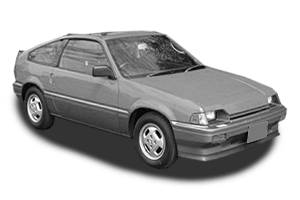
1987.10
(52)
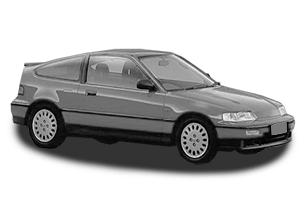
1991.12
(66)
1986.11
(74)
1991.12
(69)
1987.10
(92)
1991.12
(79)
1989.12
(96)
1992.02
(91)
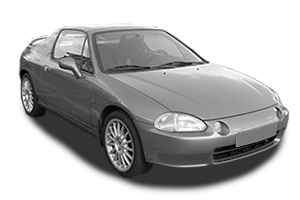
1998.12
(92)
1997.12
(95)
1992.02
(110)
1998.12
(118)
Honda CRX: Common Problems and Maintenance Guide
As one of Honda’s most iconic small cars, the CRX earned a reputation for being sporty, fuel-efficient, and fun to drive. However, like all vehicles, it comes with its share of common issues. In this guide, we’ll take a closer look at the most frequent problems Honda CRX owners experience, the essential parts that require replacement or repair, and the maintenance regimen that keeps your CRX running smoothly.
Common Problems with the Honda CRX
Despite its legendary reliability, the Honda CRX isn’t immune to issues. Here are some common problems reported by owners:
- Rust Issues: The Honda CRX, especially models from the late '80s and early '90s, is notorious for developing rust in the wheel arches, undercarriage, and rear quarter panels. Rustproofing and regular underbody cleaning are essential to combat this issue.
- Suspension Problems: As the CRX ages, the suspension components, particularly the bushings and shock absorbers, often wear out. This can lead to a bouncy, unstable ride and a decrease in handling performance.
- Clutch and Transmission Wear: Older models of the CRX, especially those with manual transmissions, may experience clutch slippage and transmission issues, particularly in high-mileage vehicles.
- Electrical Gremlins: Owners often report issues with the electrical system, including faulty switches, blown fuses, and issues with the dashboard lights. These issues can often be traced back to aging wiring and connectors.
- Engine Mount Failure: Over time, the engine mounts on the CRX can degrade, leading to engine movement that affects drivability and can even cause vibrations within the cabin.
Parts that Need Regular Replacement or Repair
The Honda CRX is a relatively simple car, but like any vehicle, it requires regular maintenance to keep it running optimally. Below are some of the parts that commonly need replacement or repair:
- Timing Belt: The CRX’s timing belt should be replaced every 60,000 to 100,000 miles, depending on the model year. A failed timing belt can cause catastrophic engine damage.
- Brake Pads and Rotors: Given the sportiness of the CRX, brake pads and rotors wear out faster than on more sedate vehicles. Regular inspection and replacement are essential for safety and performance.
- Fuel Pump: Older CRX models often experience fuel pump failures, particularly in high-mileage vehicles. If you notice rough idling or trouble starting the car, the fuel pump might be the culprit.
- Alternator: The alternator in the CRX may start to fail after many years of service, particularly in high-mileage examples. Watch for dimming lights or a dead battery as indicators of alternator issues.
- Suspension Components: The shock absorbers, struts, and bushings in the suspension system tend to wear out over time. If you experience a bumpy ride or notice excessive noise while driving, these components might need replacing.
Regular Maintenance: Fluids, Filters, and Oils
Proper maintenance is key to keeping the Honda CRX running efficiently and reliably. Here’s a guide to the key fluids, filters, and oils you should regularly replace:
- Engine Oil: The CRX should have its engine oil changed every 3,000 to 5,000 miles, depending on the type of oil used and driving conditions. Use a high-quality synthetic or semi-synthetic oil for optimal engine health.
- Oil Filter: Along with every oil change, replace the oil filter to ensure the oil remains free from contaminants.
- Air Filter: The air filter should be replaced every 12,000 to 15,000 miles, or more often if you drive in dusty conditions. A clogged air filter reduces engine efficiency and fuel economy.
- Fuel Filter: Replace the fuel filter every 30,000 miles to ensure a clean fuel system and prevent clogged injectors or fuel lines.
- Transmission Fluid: Change the transmission fluid every 30,000 to 60,000 miles, especially for manual transmission models. This will help maintain smooth gear shifting and prevent transmission wear.
- Coolant: Replace the coolant every 2 to 3 years or 30,000 to 50,000 miles. Over time, coolant can lose its effectiveness and lead to overheating or engine damage.
- Brake Fluid: Brake fluid should be replaced every 2 years to maintain optimal braking performance and avoid moisture buildup, which can cause corrosion and reduced braking efficiency.
- Power Steering Fluid: Check and top off the power steering fluid as needed. If you notice difficulty steering or whining noises, it may be time to replace the fluid or address a leak in the system.
Conclusion
The Honda CRX remains a beloved compact car with a cult following. By staying on top of regular maintenance and addressing common issues promptly, owners can enjoy many more years of driving pleasure. Always make sure to use OEM parts or high-quality aftermarket components for repairs and replacements to keep your CRX in top shape.
- Engine Oil HONDA CRX
- Car Body HONDA CRX
- Engine Parts HONDA CRX
- Tyres HONDA CRX
- Wiper Blades HONDA CRX
- Brake Discs HONDA CRX
- Brake Pads HONDA CRX
- Oil Filters HONDA CRX
- Fuel Filters HONDA CRX
- Air Filters HONDA CRX
- Suspension Parts HONDA CRX
- Stabilizer HONDA CRX
- Ignition/Glow System HONDA CRX
- Bulbs HONDA CRX
- Car Filters HONDA CRX
- Clutch HONDA CRX
- Batteries HONDA CRX
- Tuning HONDA CRX
- Engine Radiator HONDA CRX
- Exhaust System HONDA CRX
- Intake System HONDA CRX
- Intercoolers HONDA CRX
- Brake Calipers HONDA CRX
- Muffler HONDA CRX
- Shock absorbers HONDA CRX
- Flywheel HONDA CRX