
Parts HONDA HR-V
#WSK
Select year

(88)
(96)
(134)

(96)
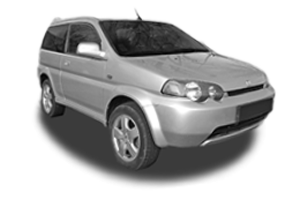
2003.11
(91)
(77)
(77)
2005.09
(91)
(88)
(104)
(105)
Honda HR-V Common Problems, Parts That Require Replacement, and Regular Maintenance
Written by an automotive expert to provide in-depth information on the Honda HR-V model, common issues, and maintenance requirements.
Overview
The Honda HR-V is a compact SUV that has been a popular choice for many car buyers. It is well known for its stylish design, reliable performance, and practicality. However, like all vehicles, it is not without its issues. This guide covers the common problems associated with the HR-V, parts that are frequently in need of replacement, and essential maintenance practices to ensure the longevity of your car.
Common Problems in the Honda HR-V
Although the Honda HR-V is generally reliable, several issues have been reported by owners over time. Below are some of the most common problems faced by HR-V owners:
- Transmission Issues: Some HR-V models, particularly from earlier years, have faced transmission problems. Owners have reported issues with rough shifting, slipping gears, and hesitation during acceleration. These problems typically occur after around 60,000 miles.
- Suspension Problems: Some users have reported premature wear of suspension components, especially the front struts, which can result in noise or a bouncy ride. This tends to happen around 50,000 to 60,000 miles.
- Fuel Pump Failures: A few HR-V owners have faced issues with fuel pump failures, which can result in engine stalling, difficulty starting the engine, or reduced fuel efficiency. This issue typically arises after 60,000 miles.
- Electrical Issues: Some electrical components, such as power windows or dashboard lights, may malfunction over time. These problems often become more noticeable as the vehicle ages.
- Air Conditioning Failures: Problems with the air conditioning system, such as weak airflow or failure to cool properly, have been reported by some owners. This can be due to issues with the compressor or refrigerant leaks.
Parts That Require Regular Replacement
Regular replacement of certain parts is essential for maintaining the Honda HR-V. Below are some components that require attention and replacement at specific intervals:
- Brake Pads: Brake pads should be inspected every 20,000 to 30,000 miles and replaced as needed. Worn-out pads can lead to decreased braking efficiency and safety concerns.
- Timing Belt: For models equipped with a timing belt (typically on older HR-Vs), it should be replaced around 90,000 miles to prevent engine damage from belt failure.
- Air Filters: The engine air filter and cabin air filter should be replaced approximately every 15,000 to 30,000 miles. Clogged air filters can reduce engine performance and air quality inside the cabin.
- Battery: The HR-V’s battery should last around 3 to 5 years, depending on usage and weather conditions. Regular checks are necessary to ensure it is working correctly.
- Tires: Tires should be rotated every 6,000 to 8,000 miles to ensure even wear. Replace them when the tread depth reaches below 2/32 inches.
- Transmission Fluid: It’s important to replace the transmission fluid every 30,000 to 60,000 miles, depending on driving habits and model year.
Regular Maintenance and Fluid Requirements
Maintaining your Honda HR-V involves more than just replacing parts. Regular fluid changes and maintenance tasks are necessary to keep your vehicle running smoothly:
Oil and Filter Change
The engine oil and filter should be changed every 7,500 miles or six months, whichever comes first. Regular oil changes are vital for protecting the engine and maintaining optimal performance.
Coolant
The coolant should be replaced every 60,000 miles to prevent overheating and damage to the engine. Always use the recommended coolant type for your model year.
Transmission Fluid
For the Honda HR-V, it is important to replace the transmission fluid every 30,000 to 60,000 miles to ensure smooth shifting and prevent transmission issues.
Brake Fluid
Brake fluid should be flushed and replaced every two years or 30,000 miles to maintain proper braking performance and avoid issues with the braking system.
Power Steering Fluid
For models with hydraulic power steering, power steering fluid should be checked every 30,000 miles and replaced if it appears contaminated or low.
Conclusion
The Honda HR-V is a reliable vehicle, but like any car, it requires regular maintenance and occasional repairs. By staying on top of common issues, part replacements, and fluid changes, you can ensure that your HR-V remains in excellent condition for many years to come.
- Engine Oil HONDA HR-V
- Car Body HONDA HR-V
- Engine Parts HONDA HR-V
- Tyres HONDA HR-V
- Wiper Blades HONDA HR-V
- Brake Discs HONDA HR-V
- Brake Pads HONDA HR-V
- Oil Filters HONDA HR-V
- Fuel Filters HONDA HR-V
- Air Filters HONDA HR-V
- Suspension Parts HONDA HR-V
- Stabilizer HONDA HR-V
- Ignition/Glow System HONDA HR-V
- Bulbs HONDA HR-V
- Car Filters HONDA HR-V
- Clutch HONDA HR-V
- Batteries HONDA HR-V
- Tuning HONDA HR-V
- Engine Radiator HONDA HR-V
- Exhaust System HONDA HR-V
- Intake System HONDA HR-V
- Intercoolers HONDA HR-V
- Brake Calipers HONDA HR-V
- Muffler HONDA HR-V
- Shock absorbers HONDA HR-V
- Flywheel HONDA HR-V
- Brakes HONDA HR-V