
Parts HYUNDAI ELANTRA
#WSK
Select year

2011.12
(85)

2015.12
(94)

2020.12
(100)
2013.12
(89)
2011.06
(90)
2015.12
(97)
2015.08
(103)
2015.12
(96)
2016.04
(94)
2020.12
(94)
2020.12
(150)

(90)
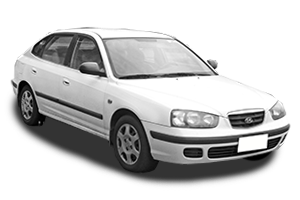
2006.07
(66)
2006.07
(79)
2006.07
(77)
2006.07
(82)
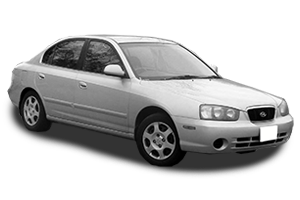
2006.07
(66)
2006.07
(79)
2006.05
(77)
2003.07
(79)
2006.07
(97)
2006.07
(97)
2003.07
(79)
2016.12
(110)
2006.07
(102)
2006.07
(105)
2006.07
(104)
2006.07
(104)
2006.07
(102)
2006.07
(105)
2011.06
(105)
2010.05
(103)
2006.07
(83)
2006.07
(83)
2020.12
(110)
2020.12
(112)
(110)
Hyundai Elantra Common Problems, Maintenance, and Consumables Guide
Overview of the Hyundai Elantra
The Hyundai Elantra is a popular compact car known for its affordability, fuel efficiency, and solid reliability. However, like any vehicle, it has its common issues that owners should be aware of. This article provides an in-depth look at the typical problems, necessary part replacements, and the recommended maintenance schedule for your Elantra to keep it running smoothly.
Common Problems of the Hyundai Elantra
1. Engine Problems
The most common engine-related issues reported with Hyundai Elantra vehicles are related to engine stalling and rough idling, often caused by a faulty throttle body or issues with the engine control module (ECM). These problems tend to occur in vehicles that have crossed the 100,000-mile mark.
2. Transmission Issues
Another recurring issue for Hyundai Elantras, particularly models from 2011 to 2015, is transmission failure. Owners report hesitation during acceleration and sometimes complete transmission failure. These issues are often linked to the transmission control module (TCM).
3. Suspension and Steering Problems
Over time, suspension components, including the struts and shocks, can wear down, especially in areas with harsh road conditions. Steering rack issues, such as a whining noise or stiff steering, are also relatively common as the vehicle ages.
4. Air Conditioning Problems
Many Hyundai Elantras have experienced air conditioning system failures. Common symptoms include weak airflow or the AC not blowing cold air. This issue is usually caused by a refrigerant leak or faulty AC compressor.
5. Electrical Issues
Electrical problems are often linked to faulty wiring or issues with the battery or alternator. Symptoms can include the dashboard lights flickering or failure of the vehicle’s electrical systems.
Maintenance and Consumables
1. Engine Oil and Filters
Hyundai recommends changing the engine oil and oil filter every 7,500 to 10,000 miles, depending on driving conditions. It is essential to use the recommended oil grade to avoid engine wear.
2. Brake Fluid
Brake fluid should be replaced every 2 years or 30,000 miles to ensure proper braking performance. Contaminated brake fluid can lead to brake system failures.
3. Coolant
The coolant should be replaced every 60,000 miles or every 5 years. Using the proper coolant ensures the engine operates at the right temperature and prevents overheating.
4. Air Filters
Air filters need to be replaced every 15,000 to 30,000 miles, depending on driving conditions. A clogged air filter reduces engine performance and increases fuel consumption.
5. Timing Belt
It is crucial to replace the timing belt every 60,000 to 90,000 miles to avoid severe engine damage. A broken timing belt can cause the engine to fail entirely.
Conclusion
The Hyundai Elantra, while generally reliable, is not immune to common vehicle issues as it ages. Regular maintenance and attention to the most frequent problems, such as engine stalling, transmission issues, and electrical faults, will keep your Elantra running smoothly for years to come. Always follow the recommended maintenance schedule and consult a professional mechanic for complex issues.
- Engine Oil HYUNDAI ELANTRA
- Car Body HYUNDAI ELANTRA
- Engine Parts HYUNDAI ELANTRA
- Tyres HYUNDAI ELANTRA
- Wiper Blades HYUNDAI ELANTRA
- Brake Discs HYUNDAI ELANTRA
- Brake Pads HYUNDAI ELANTRA
- Oil Filters HYUNDAI ELANTRA
- Fuel Filters HYUNDAI ELANTRA
- Air Filters HYUNDAI ELANTRA
- Suspension Parts HYUNDAI ELANTRA
- Stabilizer HYUNDAI ELANTRA
- Ignition/Glow System HYUNDAI ELANTRA
- Bulbs HYUNDAI ELANTRA
- Car Filters HYUNDAI ELANTRA
- Clutch HYUNDAI ELANTRA
- Batteries HYUNDAI ELANTRA
- Tuning HYUNDAI ELANTRA
- Engine Radiator HYUNDAI ELANTRA
- Exhaust System HYUNDAI ELANTRA
- Intake System HYUNDAI ELANTRA
- Intercoolers HYUNDAI ELANTRA
- Brake Calipers HYUNDAI ELANTRA
- Muffler HYUNDAI ELANTRA
- Shock absorbers HYUNDAI ELANTRA
- Flywheel HYUNDAI ELANTRA
- Brakes HYUNDAI ELANTRA