
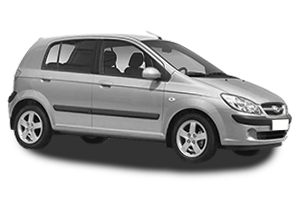
Parts HYUNDAI GETZ
#WSK
Select year
2009.06
(49)
2005.09
(46)
2009.06
(61)
2005.09
(63)
2004.03
(60)
(70)
2010.12
(71)
2005.09
(60)
2009.06
(65)
2009.06
(81)
2005.08
(75)
(82)
2009.06
(78)
2005.09
(77)
Hyundai Getz: Common Problems, Repairs & Maintenance Guide
Explore the common issues and recommended repairs for the Hyundai Getz, including essential maintenance tips to keep your vehicle running smoothly.
Introduction to the Hyundai Getz
The Hyundai Getz is a compact car that was produced by Hyundai from 2002 to 2011. Known for its practicality, affordability, and efficiency, the Getz has gained popularity as a small city car. However, like all vehicles, it comes with its own set of common problems and maintenance requirements. In this guide, we will explore the most frequent issues faced by Getz owners, along with repair recommendations and maintenance advice to help you keep your car in optimal condition.
Common Problems with the Hyundai Getz
While the Hyundai Getz is generally a reliable car, owners often report the following common issues:
- 1. Timing Belt Issues: One of the most significant issues with the Getz is the failure of the timing belt. If not replaced at the recommended intervals (every 60,000 miles), the timing belt can snap, leading to severe engine damage. Always adhere to the manufacturer’s recommendations.
- 2. Suspension Wear: The suspension components, particularly the rear suspension, are known to wear out prematurely, leading to a bumpy ride and handling issues. Regular inspections and timely replacement of suspension parts can prevent further damage.
- 3. Electrical Problems: Some Getz owners experience issues with the car’s electrical system, such as faulty wiring, malfunctioning sensors, and problems with the central locking system. These issues can be expensive to fix and are best addressed early.
- 4. Rust on the Body: Like many small cars, the Getz is prone to rust, particularly on the rear arches and under the car. Regular cleaning and waxing can help prevent rust, but once it sets in, repairs can be costly.
- 5. Engine Overheating: The Getz has been known to overheat due to a failing water pump or a blocked radiator. Regularly checking coolant levels and replacing the water pump and thermostat as part of scheduled maintenance is essential.
Repair Recommendations
Addressing the issues mentioned above will ensure that your Hyundai Getz runs efficiently for years. Here are some of the key repairs to keep an eye on:
- Timing Belt Replacement: As mentioned, the timing belt is crucial for engine performance. Replacing it at the recommended mileage (usually every 60,000 to 100,000 miles) will prevent costly engine damage.
- Suspension Replacement: Worn suspension components should be replaced as soon as possible to avoid affecting the handling of the vehicle. A professional mechanic should inspect your suspension regularly.
- Electrical System Diagnostics: If you encounter electrical issues, a thorough diagnostic check is needed to identify any faulty wiring, sensors, or modules. Replacing defective components will restore functionality.
- Rust Treatment: Regularly check for rust spots and treat them early with rust inhibitor sprays. If you discover extensive rust, it may be necessary to replace the affected panels to prevent further corrosion.
- Cooling System Maintenance: Keep an eye on your cooling system by regularly checking the coolant level and the condition of hoses and belts. If the water pump or radiator is damaged, replace them promptly.
Regular Maintenance for the Hyundai Getz
Maintaining your Hyundai Getz will help prolong its life and ensure that it runs at its best. Below are some of the key maintenance tasks that need to be performed regularly:
- Engine Oil & Filter Change: Change the engine oil and replace the oil filter every 5,000 to 7,000 miles. Using the correct grade of oil is vital for engine longevity.
- Air Filter Replacement: The air filter should be replaced every 12,000 to 15,000 miles to ensure optimal airflow to the engine. A clogged air filter can reduce engine efficiency and performance.
- Brake Pads & Discs: Brake pads should be inspected every 20,000 miles, and replaced if necessary. The brake discs may also need to be replaced periodically depending on wear.
- Tyre Maintenance: Regularly check the tyre pressure and tread depth. Rotating the tyres every 6,000 miles will ensure even wear and improve handling.
- Coolant Replacement: The coolant should be flushed and replaced every 2 years or 24,000 miles to avoid overheating and corrosion in the cooling system.
Fluids & Filters for the Hyundai Getz
Proper fluid and filter maintenance is essential to ensure the longevity and performance of your Getz. Below are the recommended fluids and their change intervals:
- Engine Oil: Use 5W-30 or 10W-40 grade synthetic oil for the 1.1L and 1.3L models. Change the oil every 5,000 to 7,000 miles.
- Transmission Fluid: Change the transmission fluid every 30,000 to 60,000 miles for manual transmissions, and 60,000 to 100,000 miles for automatics.
- Brake Fluid: Check and replace the brake fluid every 2 years to ensure safe braking performance.
- Coolant: Replace the coolant every 2 years or 24,000 miles to avoid engine overheating and radiator issues.
- Fuel Filter: Replace the fuel filter every 30,000 miles to avoid fuel system clogging.
Conclusion
The Hyundai Getz is a reliable and practical compact car, but like any vehicle, it requires proper care and maintenance. By addressing common issues like timing belt replacement, suspension wear, and electrical problems early, you can keep your Getz running smoothly. Regular maintenance, such as oil changes, brake checks, and tyre rotations, will ensure the car performs optimally for years to come. Always refer to the owner's manual and consult a professional mechanic for complex repairs.
- Engine Oil HYUNDAI GETZ
- Car Body HYUNDAI GETZ
- Engine Parts HYUNDAI GETZ
- Tyres HYUNDAI GETZ
- Wiper Blades HYUNDAI GETZ
- Brake Discs HYUNDAI GETZ
- Brake Pads HYUNDAI GETZ
- Oil Filters HYUNDAI GETZ
- Fuel Filters HYUNDAI GETZ
- Air Filters HYUNDAI GETZ
- Suspension Parts HYUNDAI GETZ
- Stabilizer HYUNDAI GETZ
- Ignition/Glow System HYUNDAI GETZ
- Bulbs HYUNDAI GETZ
- Car Filters HYUNDAI GETZ
- Clutch HYUNDAI GETZ
- Batteries HYUNDAI GETZ
- Tuning HYUNDAI GETZ
- Engine Radiator HYUNDAI GETZ
- Exhaust System HYUNDAI GETZ
- Intake System HYUNDAI GETZ
- Intercoolers HYUNDAI GETZ
- Brake Calipers HYUNDAI GETZ
- Muffler HYUNDAI GETZ
- Shock absorbers HYUNDAI GETZ
- Flywheel HYUNDAI GETZ
- Brakes HYUNDAI GETZ