
Parts HYUNDAI SONATA
#WSK
Select year
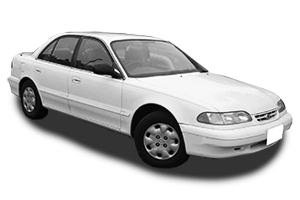
1998.05
(63)
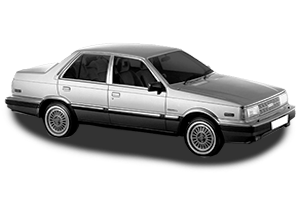
1991.03
(73)
1993.10
(70)
1998.06
(72)

2010.12
(100)
2010.12
(110)
2010.12
(103)
1991.08
(74)
1993.10
(80)
1993.10
(96)
1994.10
(96)
1996.08
(77)
1998.06
(70)
1998.06
(92)
1998.06
(102)

2001.10
(100)
2004.11
(106)
2004.11
(96)
2010.12
(119)
2010.12
(121)
2010.12
(106)

2014.06
(110)
2014.06
(120)
2014.06
(110)

2019.12
(110)
2019.12
(144)

(110)
1991.08
(83)
2001.10
(105)
2008.12
(121)
2010.12
(119)
2010.12
(128)
2015.12
(131)
2019.12
(138)
2001.10
(118)
(132)
2005.05
(132)
2004.11
(127)
2004.11
(129)
1993.10
(107)
1998.06
(107)
2010.12
(184)
2010.12
(173)
2008.12
(186)
2010.12
(171)
Hyundai Sonata: Common Problems, Repairs, and Maintenance Guide
Introduction
The Hyundai Sonata is a popular mid-size sedan that offers a great blend of reliability, comfort, and fuel efficiency. However, like any vehicle, it is not immune to common problems that arise as the car ages. Understanding these potential issues, knowing the regular maintenance schedule, and ensuring timely repairs can prolong the life of the Sonata. In this guide, we will cover some of the most common issues faced by Hyundai Sonata owners, the parts that may need replacing, and the regular maintenance required.
Common Problems
While the Hyundai Sonata is generally a reliable vehicle, there are some common issues reported by owners. These can range from minor inconveniences to more significant problems that require immediate attention.
1. Engine Problems
Some Hyundai Sonata models, particularly those manufactured between 2011 and 2014, have been known to experience engine failure. Owners report engine knocking or a sudden loss of power. This issue is often linked to the failure of the timing chain or a lack of oil, leading to engine damage.
What to do: Regularly check oil levels and replace the timing chain around 100,000 miles to avoid severe engine damage. If you hear any unusual noises or experience power loss, seek professional help immediately.
2. Transmission Issues
The Sonata has had a history of transmission issues, especially with older models. Owners have reported rough shifting, hesitation, or even complete transmission failure, often due to faulty transmission control modules or worn-out clutch systems.
What to do: It is important to replace the transmission fluid every 30,000 to 60,000 miles to ensure smooth shifting. If you experience any jerky movement or delay in acceleration, take the vehicle to a mechanic to check for transmission problems.
3. Suspension and Steering Problems
Issues with the suspension system, including worn-out struts and control arms, are common in older Sonatas. This leads to poor handling, uneven tire wear, and a bumpy ride. Steering problems, like power steering fluid leaks, are also reported in some models.
What to do: If you notice a rough ride or difficulty in steering, it is important to have the suspension and steering system checked. Replacing struts and control arms typically occurs around 80,000 to 100,000 miles.
4. Electrical System Failures
Owners of the Hyundai Sonata sometimes report issues with electrical components such as malfunctioning airbags, faulty lights, and issues with the climate control system.
What to do: Electrical issues can often be traced back to blown fuses or faulty wiring. It's recommended to inspect and replace fuses as needed. If the problem is more complex, such as airbag system failure, it's crucial to get a diagnostic from a certified technician.
5. Brake Problems
Some Hyundai Sonata models, particularly those from the 2009 to 2011 range, have had issues with premature brake wear. Drivers have reported that brake pads wear out faster than expected, leading to increased stopping distances and noises from the brake system.
What to do: Brake pads should be replaced every 30,000 to 50,000 miles. If you hear squealing or grinding noises, it is a sign that the pads may need replacing. Ensure that your brake system is inspected regularly to prevent issues with the rotors or calipers.
Parts That Require Regular Replacement
1. Oil and Oil Filter
Regular oil changes are vital for the longevity of any vehicle. For the Hyundai Sonata, it is recommended to replace the oil and oil filter every 5,000 to 7,500 miles. Use high-quality synthetic oil for better engine performance.
2. Air Filters
Replacing the air filter is essential to maintain engine efficiency and air quality inside the cabin. It is advisable to replace the engine air filter every 15,000 to 30,000 miles, depending on driving conditions.
3. Brake Pads
As mentioned earlier, the brake pads on the Hyundai Sonata should be inspected and replaced regularly. Depending on driving conditions, brake pads typically need to be replaced every 30,000 to 50,000 miles.
4. Timing Belt
The timing belt plays a crucial role in engine performance. For the Sonata, it is recommended to replace the timing belt every 60,000 to 100,000 miles, depending on the model year. Failing to replace it on time can result in serious engine damage.
5. Tires
Tires should be rotated every 6,000 to 8,000 miles to ensure even wear. Replace the tires when the tread depth reaches below 2/32 inches, which is the legal limit for tire safety.
Regular Maintenance Schedule
Maintaining your Hyundai Sonata according to the recommended schedule is essential for long-term reliability and avoiding costly repairs. Below is the general maintenance schedule for the Hyundai Sonata:
- Every 3,000 to 5,000 miles: Change engine oil and oil filter, inspect tires, check fluid levels (brake, coolant, power steering), and inspect the brake system.
- Every 15,000 to 30,000 miles: Replace air filter, cabin air filter, and inspect the spark plugs and ignition system.
- Every 60,000 miles: Replace timing belt, inspect suspension components, and replace fuel filter if applicable.
- Every 100,000 miles: Replace the water pump and check the condition of the alternator and power steering pump.
Conclusion
The Hyundai Sonata is a reliable vehicle, but like all cars, it requires regular maintenance and attention to avoid common issues. By staying on top of repairs, replacing worn-out parts, and following the recommended maintenance schedule, you can ensure that your Sonata continues to perform at its best for many years.
- Engine Oil HYUNDAI SONATA
- Car Body HYUNDAI SONATA
- Engine Parts HYUNDAI SONATA
- Tyres HYUNDAI SONATA
- Wiper Blades HYUNDAI SONATA
- Brake Discs HYUNDAI SONATA
- Brake Pads HYUNDAI SONATA
- Oil Filters HYUNDAI SONATA
- Fuel Filters HYUNDAI SONATA
- Air Filters HYUNDAI SONATA
- Suspension Parts HYUNDAI SONATA
- Stabilizer HYUNDAI SONATA
- Ignition/Glow System HYUNDAI SONATA
- Bulbs HYUNDAI SONATA
- Car Filters HYUNDAI SONATA
- Clutch HYUNDAI SONATA
- Batteries HYUNDAI SONATA
- Tuning HYUNDAI SONATA
- Engine Radiator HYUNDAI SONATA
- Exhaust System HYUNDAI SONATA
- Intake System HYUNDAI SONATA
- Intercoolers HYUNDAI SONATA
- Brake Calipers HYUNDAI SONATA
- Muffler HYUNDAI SONATA
- Shock absorbers HYUNDAI SONATA
- Flywheel HYUNDAI SONATA
- Brakes HYUNDAI SONATA