
Brakes MAZDA 323
#WSK
Select year
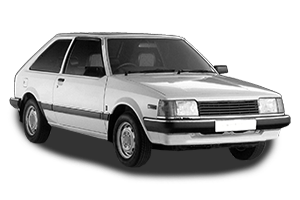
1985.10
(40)
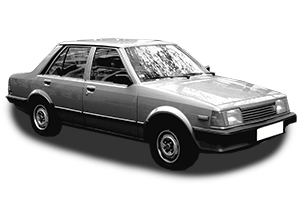
1985.10
(40)
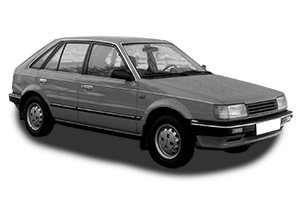
1989.10
(40)
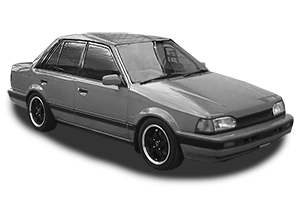
1990.04
(40)
1985.10
(44)
1985.10
(44)
1987.12
(44)
1989.05
(44)
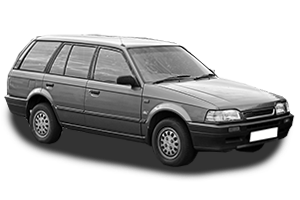
1990.04
(44)
1989.05
(50)
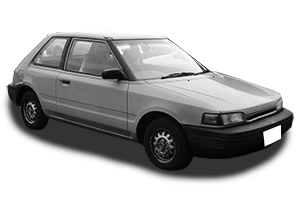
1994.07
(49)
1994.07
(54)
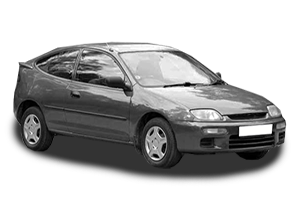
1998.09
(54)
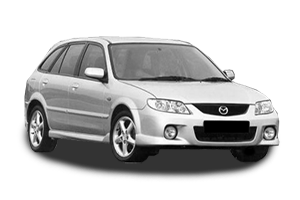
2001.01
(54)
2004.05
(53)
1989.05
(50)
1989.10
(44)
1989.07
(44)
1987.06
(50)
1987.06
(52)
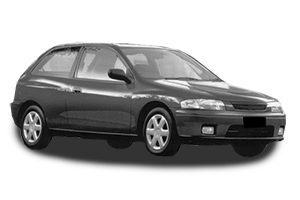
1998.09
(54)
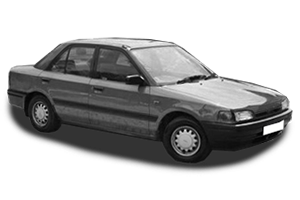
1991.06
(49)
1994.07
(54)

1998.09
(54)
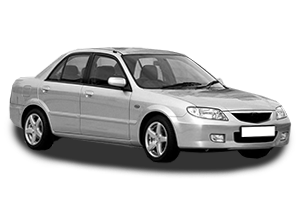
2004.05
(53)
2001.01
(54)
1998.09
(65)
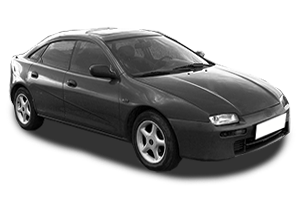
1998.09
(65)
1998.09
(65)
1998.12
(66)
1998.09
(65)
1985.12
(65)
1983.12
(63)
1985.07
(55)
1986.09
(65)
1985.12
(55)
1989.05
(55)
1989.05
(70)
1989.05
(85)
1989.05
(55)
1989.05
(70)
1989.05
(85)
1989.05
(55)
2001.01
(65)
1989.10
(54)
1989.10
(54)
1989.05
(54)
2003.08
(81)
2001.01
(65)
1991.06
(62)
1994.10
(65)
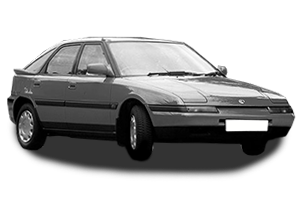
1993.08
(77)
1991.06
(62)
1994.04
(66)
1994.10
(65)
1989.10
(54)
1993.08
(77)
1989.10
(63)
1993.08
(103)
1991.11
(103)
1989.10
(110)
1988.12
(77)
1989.10
(63)
1991.11
(103)
1995.10
(63)
1989.10
(54)
1993.03
(63)
1991.06
(62)
1991.03
(64)
1996.10
(65)
(64)
2004.05
(72)
2004.05
(70)
2004.05
(72)
2001.02
(80)
2004.05
(70)
1998.09
(60)
1994.07
(41)
1989.05
(42)
1989.05
(40)
1989.05
(40)
1989.05
(42)
1987.08
(40)
1993.03
(41)
1989.10
(42)
1994.07
(41)
1993.03
(103)
1993.12
(76)
1993.03
(94)
1992.12
(120)
1994.07
(136)
1998.09
(84)
1994.07
(76)
1993.03
(103)
1994.07
(94)
1994.04
(76)
1998.09
(84)
2004.05
(92)
2001.01
(84)
1994.07
(76)
1994.07
(76)
1994.07
(94)
1994.07
(120)
1994.04
(122)
1998.09
(84)
2004.05
(92)
2004.05
(84)
2004.05
(96)
2004.05
(98)
2004.05
(96)
1998.09
(106)
2004.05
(52)
2004.05
(74)
2001.12
(66)
1998.09
(52)
1998.09
(52)
2004.05
(52)
2002.10
(74)
2004.05
(66)
Complete Guide to the Mazda 323: Common Problems, Repairs, and Maintenance
Introduction
The Mazda 323, a compact car manufactured by Mazda between 1968 and 2003, has been one of the most reliable vehicles in its class. Known for its performance and longevity, the 323 is a popular choice for second-hand buyers. However, like all cars, it is not without its issues. This guide covers the common problems faced by Mazda 323 owners, along with solutions and recommended maintenance practices.
Common Problems and Repairs
1. Engine and Transmission Issues
One of the most frequent issues with older Mazda 323 models is engine misfires and transmission failure. The engine can experience misfires due to faulty spark plugs or ignition coils, leading to poor performance. It's essential to check these components regularly and replace them as needed.
The automatic transmission models are known for developing slipping or rough shifting over time. A common solution is to replace the transmission fluid regularly and, in some cases, replace the transmission control module (TCM) if it fails.
2. Rust and Body Corrosion
Rust is a major problem for many Mazda 323s, especially in older models. The car's undercarriage and wheel wells are the most susceptible to corrosion. Regular inspection and application of rust-proofing treatments can help mitigate the damage. Replacing rusted body parts may be required to keep the car structurally sound.
3. Suspension and Steering Issues
The suspension system in the Mazda 323 can wear out, especially in vehicles with high mileage. Common symptoms include squeaking or knocking noises and poor handling. Replacing the shock absorbers, struts, and bushings can restore the smooth ride the car is known for. Steering problems such as power steering fluid leaks are also common in older models.
4. Electrical Problems
Electrical gremlins, such as malfunctioning power windows, faulty sensors, or lighting issues, are not uncommon. In many cases, these issues arise from corroded or loose wiring. Regularly checking and cleaning the car's electrical connections can prevent these problems. Replacing faulty fuses or relays may also be necessary.
5. Brake System Issues
The brake system, particularly the brake pads and rotors, may wear out over time. Regular inspection of the brakes and replacing worn components is crucial for safety. Some Mazda 323 owners have reported issues with the brake master cylinder, which may need replacement if the brakes feel soft or unresponsive.
Regular Maintenance Requirements
1. Oil and Fluid Changes
Changing the oil and fluid is one of the most important maintenance tasks to ensure the longevity of your Mazda 323. It is recommended to change the engine oil every 5,000 to 7,500 miles, depending on the type of oil used (synthetic or conventional). Regularly check the transmission fluid and replace it as specified in the owner's manual.
2. Air and Cabin Filters
The air filter should be replaced every 12,000 to 15,000 miles to maintain engine efficiency. The cabin filter, which keeps the interior air clean, should also be replaced every 15,000 miles or as needed.
3. Brake Fluid
Brake fluid should be changed every 30,000 miles or sooner if you notice a decrease in braking performance. It’s essential to flush the brake fluid periodically to prevent air from entering the brake lines and to maintain optimal braking power.
4. Timing Belt and Chain
For Mazda 323 models with a timing belt, it is crucial to replace it at intervals of 60,000 to 100,000 miles to avoid catastrophic engine failure. For those with a timing chain, regular inspections are recommended, although they typically last longer than belts.
Recommended Fluids and Consumables
1. Engine Oil
For the Mazda 323, it is recommended to use high-quality synthetic oil, especially if you live in regions with extreme temperatures. Recommended oil grades are 5W-30 or 10W-30, but always refer to the owner's manual for the exact specifications.
2. Transmission Fluid
Ensure that the correct transmission fluid is used for either manual or automatic transmission models. For automatic transmissions, Mazda recommends using ATF M-V fluid. For manual transmissions, gear oil with GL-4 specification is ideal.
3. Coolant
The cooling system should be maintained with the correct coolant mixture. Mazda recommends using long-life coolant that is a mixture of 50% antifreeze and 50% water. The coolant should be replaced every 5 years or 60,000 miles.
4. Power Steering Fluid
Use only Mazda-approved power steering fluid to avoid damaging the steering system. The fluid should be checked and replaced if it looks dirty or has a burnt smell.
Conclusion
The Mazda 323 is a durable and reliable vehicle, but like all cars, it requires regular maintenance and attention to keep it running smoothly. By following the recommended maintenance schedule, addressing common issues promptly, and using quality replacement parts and fluids, you can extend the lifespan of your Mazda 323 for many years.
- Engine Oil MAZDA 323
- Car Body MAZDA 323
- Engine Parts MAZDA 323
- Tyres MAZDA 323
- Wiper Blades MAZDA 323
- Brake Discs MAZDA 323
- Brake Pads MAZDA 323
- Oil Filters MAZDA 323
- Fuel Filters MAZDA 323
- Air Filters MAZDA 323
- Suspension Parts MAZDA 323
- Stabilizer MAZDA 323
- Ignition/Glow System MAZDA 323
- Bulbs MAZDA 323
- Car Filters MAZDA 323
- Clutch MAZDA 323
- Batteries MAZDA 323
- Tuning MAZDA 323
- Engine Radiator MAZDA 323
- Exhaust System MAZDA 323
- Intake System MAZDA 323
- Intercoolers MAZDA 323
- Brake Calipers MAZDA 323
- Muffler MAZDA 323
- Shock absorbers MAZDA 323
- Flywheel MAZDA 323