
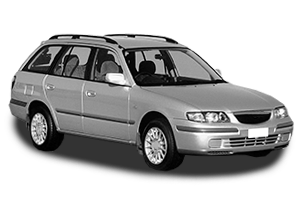
Common Issues & Maintenance for the Mazda 626
Explore the most common issues, parts that often require replacement, and the essential maintenance routine for the Mazda 626.
Introduction to the Mazda 626
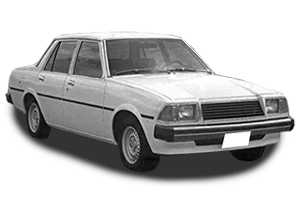
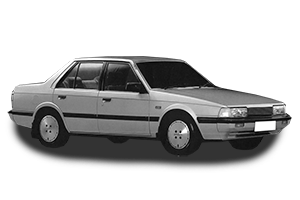
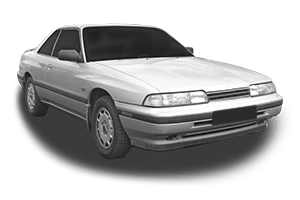
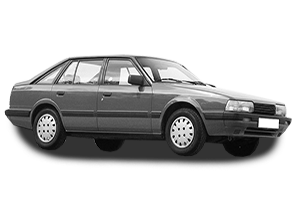
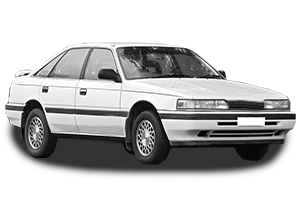
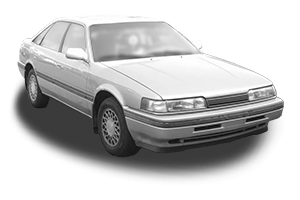
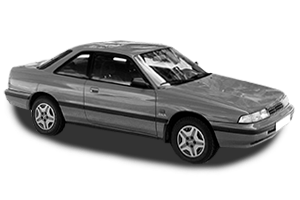
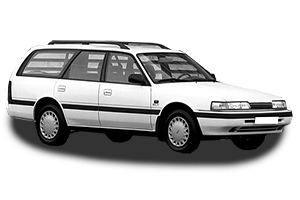
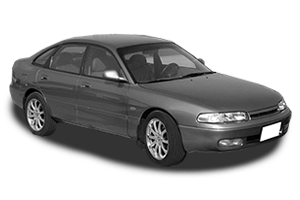
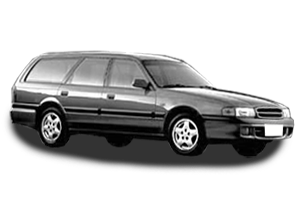
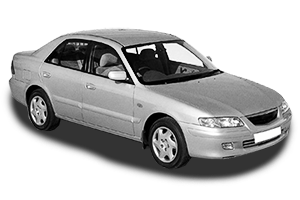
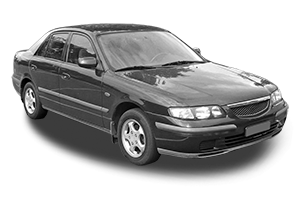
The Mazda 626, produced from 1979 to 2002, has been a popular mid-size sedan known for its reliability and practicality. However, like all vehicles, it has its share of common issues. This guide aims to help Mazda 626 owners identify potential problems, understand the parts that need frequent attention, and ensure they follow the correct maintenance procedures to prolong the car's lifespan.
Common Problems with the Mazda 626
Over its long production run, the Mazda 626 has faced some recurring issues. Below are the most common problems that owners experience, categorized by the car's engine type and age.
1. Engine & Transmission Issues
- Misfiring Engine: The Mazda 626's engine can sometimes misfire, especially in the earlier models. This may be caused by faulty spark plugs, fuel injectors, or ignition coils. Regular inspection and replacement of spark plugs can mitigate this issue.
- Transmission Problems: Some owners report transmission issues, including rough shifting or slipping gears. This can be due to low or degraded transmission fluid, which should be replaced every 30,000 to 60,000 miles for smoother performance.
- Overheating Engine: Overheating is a common issue, especially in older models. The problem may be due to a failing radiator, water pump, or thermostat. Ensure the cooling system is regularly serviced to avoid overheating problems.
2. Suspension & Steering
- Suspension Wear: The Mazda 626's suspension system, particularly the bushings and ball joints, are prone to wear after prolonged use. This can lead to poor handling or a bumpy ride. Regular inspections can help detect worn components early, before they affect vehicle safety.
- Power Steering Fluid Leaks: Leaks in the power steering system are common in older Mazda 626 models. Check the power steering fluid levels frequently and look for signs of leakage around the pump and hoses.
3. Electrical & Electronics
- Alternator Failure: The alternator in the Mazda 626 is often cited for premature failure, which can lead to battery drain and starting issues. Replacing the alternator when it begins to show signs of wear is essential to prevent breakdowns.
- Electrical Gremlins: Like many older cars, the Mazda 626 may experience electrical issues, such as malfunctioning window motors, door locks, or dashboard lights. Regular checks on wiring and connections help avoid major issues.
Parts that Require Regular Replacement
The Mazda 626, like all cars, has parts that require routine replacement to keep it running efficiently. Here are the key components that require attention:
1. Timing Belt
The timing belt should be replaced every 60,000 to 100,000 miles depending on your model year and engine type. A failure of the timing belt can result in severe engine damage, so it’s important to replace it on schedule.
2. Brake Pads & Rotors
Brake pads on the Mazda 626 tend to wear out around every 30,000 to 50,000 miles. Inspect the pads regularly and replace them if they appear worn. Rotors should also be inspected at the same time, as they may need resurfacing or replacement to maintain braking efficiency.
3. Tires
Tires should be rotated every 6,000 to 8,000 miles to ensure even wear. Check tire pressure and tread depth regularly. If tires are worn or show signs of bulging, they should be replaced immediately for safety.
4. Air Filters & Cabin Filters
Replacing the engine air filter every 12,000 to 15,000 miles and the cabin air filter every 15,000 miles ensures optimal performance and comfort. Clogged filters can reduce engine efficiency and air quality inside the cabin.
Essential Fluids & Regular Maintenance
Keeping the Mazda 626 running smoothly requires proper care of its essential fluids. Here’s a breakdown of the vital fluids and how often they need to be changed:
1. Engine Oil
Change the engine oil every 3,000 to 5,000 miles or every 6 months, depending on your driving habits and the oil type used (synthetic oil may last longer). Regular oil changes prevent engine wear and enhance performance.
2. Transmission Fluid
For manual transmissions, fluid should be changed approximately every 30,000 miles. For automatic transmissions, replace the fluid every 60,000 miles or as recommended in the owner's manual. This will help prevent transmission slippage and ensure smooth gear shifts.
3. Coolant
Flush the radiator and replace the coolant every 30,000 miles. Old coolant can cause overheating and corrosion inside the engine, leading to costly repairs.
4. Power Steering Fluid
Check and top off the power steering fluid every 30,000 miles. If there are leaks or if the steering becomes difficult, it may be necessary to replace the fluid or inspect the steering pump and lines.
5. Brake Fluid
Replace brake fluid every 20,000 to 45,000 miles. This ensures proper braking power and reduces the risk of brake failure due to moisture in the fluid.
Conclusion
The Mazda 626 is a reliable vehicle, but like all cars, it requires regular maintenance to stay in top condition. By staying on top of common issues, replacing worn parts, and following the recommended maintenance schedule, you can ensure your Mazda 626 continues to provide dependable service for many years. Regular inspections and timely repairs will help avoid major breakdowns and keep repair costs under control.