
Parts MERCEDES-BENZ EQA
#WSK
Select year
(140)
(140)
(168)
(215)
(215)
Mercedes-Benz EQA: Common Problems, Maintenance, and Consumables
Introduction
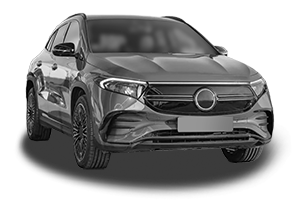
The Mercedes-Benz EQA is a part of the German automaker's growing lineup of electric vehicles. Introduced as a compact electric crossover SUV, it offers the luxury and performance associated with the Mercedes brand but with an eco-friendly electric powertrain. However, like any modern vehicle, the EQA is not immune to issues. This article delves into some of the most common problems, required maintenance, and essential consumables for owners to keep their EQA in peak condition.
Common Problems with the Mercedes-Benz EQA
1. Battery Degradation
As with many electric vehicles, battery degradation can occur over time. Some EQA owners have reported a noticeable reduction in battery range after a few years of use. It’s essential to keep the battery properly charged and avoid extreme temperatures to minimize degradation.
2. Charging Issues
Some EQA owners have experienced difficulties with the vehicle’s charging system. Common issues include slow charging times or failure to charge altogether. This can sometimes be linked to faulty charging cables, charging stations, or issues with the vehicle’s onboard charger. Regular checks of the charging port and cable are recommended.
3. Electrical System Failures
With any electric vehicle, the electrical system plays a crucial role. In the EQA, there have been isolated reports of electrical faults, including malfunctioning control units or errors in the vehicle’s infotainment system. These issues are often covered by warranties, but owners should monitor for unusual behavior and report any issues promptly.
4. Brake Wear
While electric vehicles like the EQA are designed to reduce brake wear through regenerative braking, some owners have noticed premature brake pad wear, especially in city driving conditions where regenerative braking is less effective. Regular inspection of the braking system is recommended to avoid costly repairs.
5. Suspension Problems
Some users have reported issues with the suspension system, such as noise or discomfort while driving. This may be due to worn-out suspension components or alignment issues, which are common in any vehicle over time.
Maintenance Requirements
1. Battery Maintenance
The EQA’s battery is designed to last for many years, but regular maintenance is essential to ensure longevity. Owners should monitor the state of charge and try to avoid running the battery completely flat or charging it to 100% consistently. Additionally, it’s a good idea to schedule periodic inspections at authorized service centers to check for any signs of degradation.
2. Tire Care
Maintaining proper tire pressure and checking for wear is crucial for ensuring safety and maximizing the efficiency of your EQA. Electric vehicles often weigh more than traditional vehicles due to the battery, leading to faster tire wear. Regularly rotating your tires and replacing them when necessary will help keep the vehicle handling properly.
3. Brake Fluid
While the EQA uses regenerative braking to extend the lifespan of its brake pads, it’s still necessary to check the brake fluid periodically. The brake fluid should be replaced according to the manufacturer’s recommendations, generally every 2 years or 20,000 miles.
4. Air Filters and Cabin Filters
Just like any other vehicle, the Mercedes-Benz EQA requires regular replacement of its air and cabin filters to maintain proper airflow and ensure the cleanliness of the cabin. These filters should typically be changed every 15,000 to 30,000 miles, depending on driving conditions.
Consumables for the Mercedes-Benz EQA
1. Recommended Engine Oils and Fluids
Although the EQA does not have a traditional combustion engine, it still requires various fluids for its electric motor and transmission. Mercedes-Benz recommends using high-quality synthetic oils and lubricants for the motor and gearbox. Always refer to the manufacturer’s manual for specific oil types, as using the wrong oil can lead to performance issues.
2. Tire Pressure Monitoring System (TPMS) Sensors
With the EQA’s advanced technology, ensuring that the tire pressure monitoring system (TPMS) is functioning correctly is essential. Make sure to replace TPMS sensors when required to avoid warning light issues or inaccurate tire pressure readings.
3. Windshield Wiper Fluid
Keeping the windshield clean is critical for visibility, especially during bad weather. Regularly check and replace the windshield wiper fluid, particularly if you notice it running low or if the wipers are streaking. Mercedes-Benz recommends using a high-quality wiper fluid to prevent streaking and build-up on the glass.
How Often Should You Perform Maintenance on the Mercedes-Benz EQA?
Regular maintenance is key to ensuring the longevity of the Mercedes-Benz EQA. Here are some guidelines for how often specific tasks should be performed:
- Battery Inspection: Every 12 months or 10,000 miles
- Tire Rotation: Every 10,000 to 15,000 miles
- Brake Inspection: Every 20,000 miles
- Fluid Check and Replacement: Every 12 months or 15,000 miles
- Cabin Filter Replacement: Every 15,000 to 30,000 miles
Conclusion
The Mercedes-Benz EQA is a technologically advanced and stylish electric vehicle, but like any car, it requires regular maintenance and attention to avoid common issues. By following the recommended service schedules and addressing potential problems early, you can ensure that your EQA remains in top condition for years to come. If you're ever uncertain about any repairs or maintenance, consult your local Mercedes-Benz service center for expert advice and assistance.