
Parts MERCEDES-BENZ G
#WSK
Select year

(432)
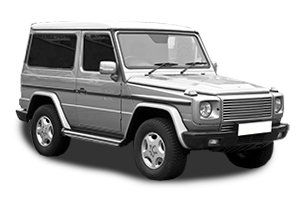
1993.07
(85)
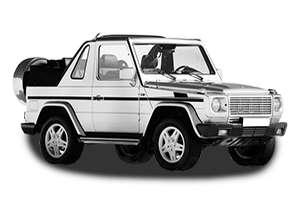
1993.07
(80)
1993.07
(85)
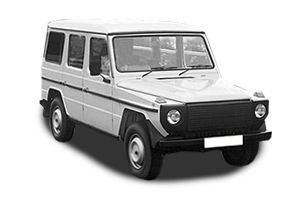
1989.08
(80)
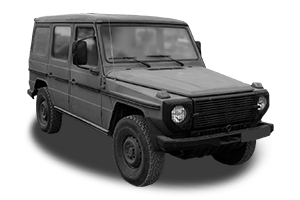
1989.08
(80)
1992.08
(90)
1996.07
(90)
2000.07
(92)
1993.06
(93)
1993.02
(93)
1992.08
(92)
1993.05
(90)
1993.05
(92)
1993.07
(66)
1987.07
(75)
1987.07
(66)
1987.08
(53)
1989.08
(53)
1992.08
(68)
1992.12
(62)
1993.05
(68)
1992.10
(69)
1991.10
(62)
2006.12
(115)
2003.07
(115)
1989.08
(110)
1989.08
(115)
1993.05
(110)
1982.06
(115)
2000.07
(70)
2001.07
(88)

2001.07
(70)
2022.11
(210)
2022.02
(183)
(243)

(183)

(183)
1993.08
(125)
1997.08
(128)
1997.08
(125)
1997.09
(125)
(135)
2023.07
(135)
2012.12
(165)
2011.12
(165)
2015.08
(155)
2018.04
(180)
2012.12
(165)
2015.12
(155)
2011.12
(165)
2012.12
(135)
2023.07
(135)
(270)
1993.08
(83)
1994.08
(83)
2000.07
(130)
1993.08
(83)
1994.08
(83)
2000.07
(130)
1991.12
(65)
1989.08
(65)
(330)
1997.12
(155)
2004.08
(158)
1997.11
(155)
2004.08
(158)
1996.08
(100)
1997.09
(100)
1998.07
(200)
(430)
(430)
2018.04
(310)
(310)
(430)
2006.07
(184)
2006.07
(184)
2015.12
(218)
2005.12
(215)
2015.12
(218)
1994.12
(177)
2008.07
(260)
2011.12
(350)
2012.12
(368)
2012.06
(373)
2006.07
(350)
2018.03
(420)
2015.08
(285)
2018.03
(400)
2018.03
(400)
2014.08
(285)
2018.04
(463)
2018.04
(450)
Mercedes-Benz G-Class: Maintenance, Common Issues, and Repairs
The Mercedes-Benz G-Class is a luxury SUV known for its rugged off-road capabilities and iconic design. However, like any high-performance vehicle, it comes with a set of unique challenges that owners must be aware of. In this article, we explore the common issues with the G-Class, the parts most prone to failure, and the maintenance requirements to keep it running smoothly.
Common Issues with the Mercedes-Benz G-Class
While the Mercedes-Benz G-Class is renowned for its durability and high-end features, several issues tend to occur across different model years. Below are the most frequent problems reported by G-Class owners:
- Electrical System Failures: The G-Class is equipped with an advanced electrical system, but some owners have reported issues with sensors, lighting, and electrical wiring, which can lead to malfunctioning of various vehicle features.
- Suspension Problems: The air suspension system, which provides a smooth ride, has been known to fail, leading to uneven ride height and discomfort. This problem often requires the replacement of air struts and compressors.
- Rust and Corrosion: Despite being a luxury vehicle, older G-Class models are susceptible to rust, particularly around the wheel arches and undercarriage, which can compromise both aesthetics and performance.
- Transmission Issues: Some G-Class owners have experienced transmission problems, such as rough shifting or hesitation when accelerating. This could be caused by a faulty transmission control module or issues with the gearbox itself.
- Engine Oil Leaks: The V8 and V12 engines in the G-Class can develop oil leaks over time, particularly around the valve covers and oil cooler lines, which need to be addressed promptly to avoid engine damage.
Parts That Commonly Need Replacement
Several parts in the G-Class are prone to wear and tear over time, particularly given the vehicle's off-road capabilities. The following parts are often replaced during routine maintenance or due to specific issues:
- Brake Pads and Rotors: Given the weight and performance of the G-Class, the braking system is under constant strain. Regular replacement of brake pads and rotors is necessary to maintain optimal stopping power.
- Suspension Components: Components such as air suspension struts, springs, and shock absorbers often wear out, especially on vehicles used for off-road purposes. These should be checked regularly.
- Battery: The G-Class's battery is subject to regular wear, and in some cases, high electrical demands can shorten its lifespan. It's recommended to replace the battery every 4-6 years.
- Alternator: The alternator is another critical part of the G-Class that often needs replacement due to the vehicle's high electrical demands, particularly if the electrical system fails prematurely.
- Timing Chain: The G-Class’s V8 and V12 engines are known for their robust performance, but the timing chain can stretch over time, leading to engine misfires or even failure if not replaced in time.
Maintenance Requirements and Intervals
The Mercedes-Benz G-Class requires regular maintenance to keep it in top condition, especially given its off-road prowess and luxury features. Below are some general maintenance tasks and their recommended intervals:
- Oil and Filter Change: Every 7,500 to 10,000 miles (12,000 to 16,000 km), depending on the model year and driving conditions.
- Transmission Fluid: Change every 40,000 to 60,000 miles (64,000 to 96,000 km) to ensure smooth shifting and prevent transmission failure.
- Coolant Flush: The G-Class should have a coolant flush every 3 to 5 years to avoid overheating and ensure the longevity of the engine.
- Brake Fluid: Brake fluid should be replaced every 2 years to maintain brake system performance and prevent moisture buildup.
- Air Filter: The air filter should be checked regularly, especially if the vehicle is used off-road. It’s typically replaced every 20,000 miles (32,000 km).
Recommended Oils and Fluids for the G-Class
Mercedes-Benz recommends specific oils and fluids for the G-Class to ensure optimal performance and longevity. Here are the key recommendations:
- Engine Oil: For most G-Class models, a fully synthetic 5W-40 motor oil is recommended. Always choose oils that meet Mercedes-Benz's approval standards, such as MB 229.5 or MB 229.51 specifications.
- Transmission Fluid: Use Mercedes-Benz-approved transmission fluid (e.g., Mobil 1 ATF or equivalent). Always check the fluid level and condition regularly to avoid transmission issues.
- Brake Fluid: The recommended brake fluid is Mercedes-Benz-approved DOT 4 fluid. Be sure to check the fluid level regularly and replace it according to the maintenance schedule.
- Coolant: The G-Class requires a specific coolant mixture, such as MB 325.0, to ensure proper engine temperature regulation and protection against corrosion.
- Engine Oil MERCEDES-BENZ G
- Car Body MERCEDES-BENZ G
- Engine Parts MERCEDES-BENZ G
- Tyres MERCEDES-BENZ G
- Wiper Blades MERCEDES-BENZ G
- Brake Discs MERCEDES-BENZ G
- Brake Pads MERCEDES-BENZ G
- Oil Filters MERCEDES-BENZ G
- Fuel Filters MERCEDES-BENZ G
- Air Filters MERCEDES-BENZ G
- Suspension Parts MERCEDES-BENZ G
- Stabilizer MERCEDES-BENZ G
- Ignition/Glow System MERCEDES-BENZ G
- Bulbs MERCEDES-BENZ G
- Car Filters MERCEDES-BENZ G
- Clutch MERCEDES-BENZ G
- Batteries MERCEDES-BENZ G
- Tuning MERCEDES-BENZ G
- Engine Radiator MERCEDES-BENZ G
- Exhaust System MERCEDES-BENZ G
- Intake System MERCEDES-BENZ G
- Intercoolers MERCEDES-BENZ G
- Brake Calipers MERCEDES-BENZ G
- Muffler MERCEDES-BENZ G
- Shock absorbers MERCEDES-BENZ G
- Flywheel MERCEDES-BENZ G
- Brakes MERCEDES-BENZ G