
Shock absorbers MITSUBISHI ASX
#WSK
Select year

(67)
(67)
(74)
(85)
(103)
(116)

(84)
(84)
(86)
(86)
(85)
(105)
(117)
(116)
(102)
(110)
(85)
(110)
(85)

(110)
(110)
(110)
(110)

KYB
Shock absorber KYB3338067

MONROE
Shock absorber MONG1430
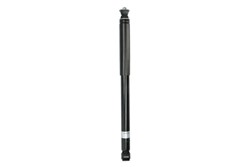
BILSTEIN
Shock absorber 19-327310

KYB
Shock absorber KYB5528002

BILSTEIN
Shock absorber 22-325914
Mitsubishi ASX: Common Problems, Maintenance, and Repairs
Introduction to the Mitsubishi ASX
The Mitsubishi ASX, first launched in 2010, is a compact crossover SUV designed for urban and off-road use. Known for its practicality, fuel efficiency, and relatively low cost of ownership, it has been a popular choice in the compact SUV market. However, like any vehicle, the ASX comes with its own set of common issues that owners should be aware of. In this article, we explore the most frequent problems, as well as essential maintenance tips to keep your ASX running smoothly.
Common Problems with the Mitsubishi ASX
While the ASX is generally reliable, there are several issues that have been commonly reported by owners. These issues vary depending on the year of manufacture and the specific model, but the following are the most frequently encountered:
1. Engine and Transmission Problems
Some ASX owners have reported issues related to the engine and transmission. These issues include:
- Engine Misfire: A misfiring engine is often linked to problems with the spark plugs or ignition coils. This can result in poor engine performance, rough idling, and difficulty starting the vehicle.
- Transmission Slipping: Automatic transmission problems, such as slipping or delayed shifting, have been noted by some ASX owners, particularly in the earlier models.
2. Suspension and Steering
The suspension system of the ASX can also develop issues, especially as the vehicle ages. Some of the common problems include:
- Noisy Suspension: A creaking or knocking sound when driving over bumps could indicate worn suspension components, such as struts or bushings.
- Power Steering Fluid Leaks: Power steering fluid leaks can cause steering difficulties and are often associated with problems in the steering rack or pump.
3. Electrical Issues
Electrical problems can be frustrating and may affect various systems within the ASX. Common electrical issues include:
- Battery Drain: Some owners have reported issues with rapid battery drain, especially in models with additional electrical features.
- Faulty Sensors: Malfunctioning sensors, including oxygen and ABS sensors, can trigger dashboard warning lights and affect vehicle performance.
4. Climate Control System Failure
Another issue that has been reported by some ASX owners is a malfunctioning climate control system. This can manifest as:
- Air Conditioning Failure: The air conditioning system may stop working due to a refrigerant leak, faulty compressor, or electrical issue.
- Heating Problems: Insufficient heating can be caused by a malfunctioning heater core or thermostat issues.
5. Body and Exterior Issues
While the ASX's exterior is generally durable, some owners have reported issues with rust, particularly in areas where road salt is commonly used. Additionally:
- Paint Chipping: There have been complaints about the paint chipping off in certain areas, especially around the front bumper.
- Water Leaks: Leaks through the windows or doors can occur over time, especially if the seals around the doors or windows have degraded.
Regular Maintenance and Repairs for the Mitsubishi ASX
To ensure your ASX remains reliable, regular maintenance is essential. Here are some key maintenance tasks you should perform:
1. Oil and Fluid Changes
Regular oil changes are critical for engine longevity. Mitsubishi recommends changing the engine oil every 6,000 to 12,000 miles, depending on driving conditions. In addition, make sure to check and replace other fluids, including:
- Transmission fluid
- Brake fluid
- Power steering fluid
- Coolant
2. Brake System Maintenance
The brake system should be inspected regularly for wear and tear. Brake pads typically need replacement every 20,000 to 40,000 miles, while brake discs may last longer but should be checked for grooves and uneven wear.
3. Tire Maintenance
Regular tire rotations are necessary to ensure even wear and extend the lifespan of your tires. Check tire pressure monthly and inspect for any signs of damage. Ensure that you replace tires when they reach the end of their life or if the tread depth becomes too low.
4. Timing Belt Replacement
Depending on the model year, the timing belt should be replaced every 60,000 to 100,000 miles. Neglecting this can lead to engine failure, as the timing belt controls the synchronization of the engine's internal components.
5. Air Filter and Cabin Filter Replacement
To maintain optimal engine performance, the air filter should be replaced every 15,000 to 30,000 miles, or more frequently if you drive in dusty conditions. Similarly, the cabin filter should be changed to ensure the air inside your vehicle remains clean.
Conclusion
The Mitsubishi ASX is a reliable vehicle when properly maintained. By staying on top of regular maintenance and addressing common issues promptly, you can ensure your ASX provides many years of dependable service. Be mindful of the potential problems and invest in repairs when needed to keep your vehicle running smoothly.
- Engine Oil MITSUBISHI ASX
- Car Body MITSUBISHI ASX
- Engine Parts MITSUBISHI ASX
- Tyres MITSUBISHI ASX
- Wiper Blades MITSUBISHI ASX
- Brake Discs MITSUBISHI ASX
- Brake Pads MITSUBISHI ASX
- Oil Filters MITSUBISHI ASX
- Fuel Filters MITSUBISHI ASX
- Air Filters MITSUBISHI ASX
- Suspension Parts MITSUBISHI ASX
- Stabilizer MITSUBISHI ASX
- Ignition/Glow System MITSUBISHI ASX
- Bulbs MITSUBISHI ASX
- Car Filters MITSUBISHI ASX
- Clutch MITSUBISHI ASX
- Batteries MITSUBISHI ASX
- Tuning MITSUBISHI ASX
- Engine Radiator MITSUBISHI ASX
- Exhaust System MITSUBISHI ASX
- Intake System MITSUBISHI ASX
- Intercoolers MITSUBISHI ASX
- Brake Calipers MITSUBISHI ASX
- Muffler MITSUBISHI ASX
- Flywheel MITSUBISHI ASX
- Brakes MITSUBISHI ASX