
Shock absorbers MITSUBISHI LANCER
#WSK
Select year
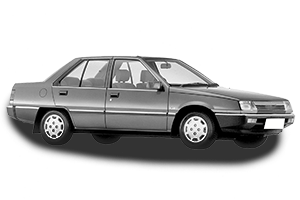
1988.04
(44)
1986.10
(40)
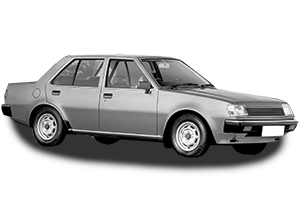
1984.01
(40)

1992.05
(51)
1992.05
(44)
1992.06
(55)
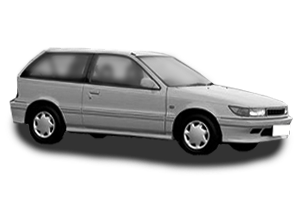
1994.05
(55)

1996.12
(55)

2003.08
(55)

2013.12
(60)
1984.01
(51)
1984.01
(77)

1979.09
(50)
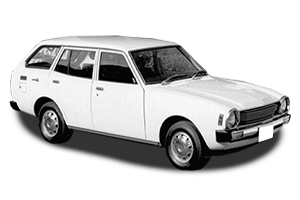
1979.09
(50)
1988.04
(55)
1988.04
(51)
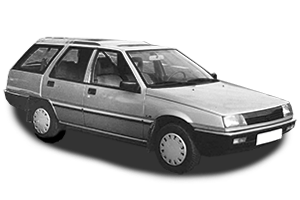
1989.08
(51)
1990.12
(61)
1987.12
(55)
1991.12
(66)
1992.05
(62)
1992.05
(66)
1992.05
(62)
1992.05
(66)

2003.10
(63)

(80)
(80)

(80)
(80)

2008.06
(72)
2007.12
(77)
2013.12
(72)

2008.10
(72)
(86)
(86)
1994.05
(83)
1993.11
(84)
1996.12
(66)
1996.12
(83)
1996.12
(88)
1996.12
(83)
2003.10
(83)
2003.10
(83)
2003.08
(66)
1992.06
(69)
1990.12
(63)
1987.12
(66)
1989.08
(61)
1992.06
(71)
1986.09
(43)
1988.04
(44)
1986.09
(43)
1992.06
(44)
1992.05
(44)
1992.05
(44)
(103)
(105)
(105)
(85)
(110)
(103)
(105)
(105)
(105)
(85)
(110)
(103)
(103)
1993.12
(103)
1993.12
(103)
1993.07
(100)
2003.10
(88)
2003.08
(151)
1992.05
(100)
(103)
(103)
2008.06
(99)
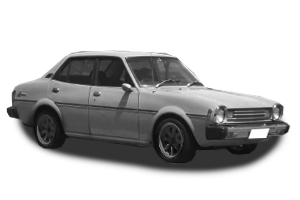
1983.02
(125)
1997.12
(206)
1995.07
(192)
1996.07
(198)
1998.12
(206)
2001.02
(206)
2013.12
(99)
2006.12
(227)
2007.09
(206)
2003.01
(206)
2005.07
(195)
2004.04
(225)
2005.03
(206)
2007.12
(99)
1993.07
(50)
1996.12
(50)
2003.10
(50)
2003.08
(50)
(110)
(257)
(296)
(113)
(113)
(177)
2015.06
(242)
2015.06
(264)
2015.03
(221)
2008.10
(206)
2015.12
(217)
(177)
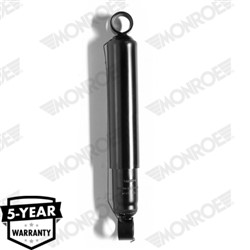
MONROE
Shock absorber MONG21041
Mitsubishi Lancer: Common Problems and Maintenance Guide
Learn about the most frequent issues with the Mitsubishi Lancer, including common parts that need replacement and regular maintenance tips to keep your Lancer running smoothly.
Introduction to the Mitsubishi Lancer
The Mitsubishi Lancer is a compact sedan that has been around for several decades. Known for its sporty appeal and reliable performance, the Lancer has made a name for itself in the automotive world. However, like any car, it has its share of common issues that owners should be aware of.
Common Problems with the Mitsubishi Lancer
Over the years, various issues have been reported by Lancer owners. Here are the most common ones:
1. Engine Problems
One of the most frequent problems with older Mitsubishi Lancer models is engine-related issues. These include:
- Misfiring or poor acceleration due to faulty spark plugs or ignition coils.
- Excessive oil consumption, often caused by worn piston rings or valve seals.
- Engine overheating due to a failing radiator or thermostat.
2. Transmission Issues
Owners of Lancers with automatic transmissions may experience shifting problems or slipping. This is usually caused by:
- Worn transmission fluid or inadequate fluid levels.
- Faulty transmission solenoids or sensors.
3. Suspension and Steering Problems
The Lancer has been known to suffer from suspension issues, including:
- Noisy or worn-out shocks and struts.
- Steering wheel vibrations or difficulty in handling, often caused by worn steering components like tie rods or bushings.
4. Electrical and Electronic Malfunctions
Electrical issues are another common complaint, including:
- Flickering headlights or dashboard lights.
- Faulty power windows and door locks.
- Problems with the alternator or battery not holding a charge.
5. Brake System Issues
Brakes on older Mitsubishi Lancers may start to feel spongy or less responsive. Common causes include:
- Worn brake pads or rotors.
- Leaking brake fluid from master cylinder or brake lines.
Essential Maintenance for the Mitsubishi Lancer
To prevent the issues mentioned above, regular maintenance is essential. Here’s a list of parts that require regular attention and how often they should be serviced:
1. Engine Oil and Filters
Change the engine oil and oil filter every 5,000 to 7,500 miles, depending on driving conditions and oil type. This is crucial to prevent engine wear and ensure smooth operation.
2. Transmission Fluid
For automatic transmissions, change the transmission fluid every 30,000 to 60,000 miles. This helps prevent transmission slippage and ensures smooth shifting.
3. Timing Belt
For models with a timing belt, replace it every 60,000 to 100,000 miles. Failure to do so can result in catastrophic engine damage.
4. Brake Pads and Rotors
Brake pads should be inspected every 10,000 miles and replaced when they show signs of wear. Rotors should also be checked for thickness and resurfaced or replaced if necessary.
5. Tires
Check tire pressure monthly and rotate the tires every 6,000 to 8,000 miles. Replace tires when the tread is worn down to 2/32 inches to ensure proper traction and handling.
Recommended Fluids for the Mitsubishi Lancer
Using the correct fluids is essential to keeping your Lancer running efficiently. Here are the recommended fluids:
1. Engine Oil
The recommended engine oil for the Mitsubishi Lancer is 5W-30 or 10W-30 synthetic motor oil, depending on the climate and model year.
2. Transmission Fluid
For automatic transmissions, use Mitsubishi's recommended CVT (Continuously Variable Transmission) fluid or ATF SP-III fluid.
3. Brake Fluid
Use DOT 3 or DOT 4 brake fluid, depending on your specific model and needs. Always check the brake fluid level regularly.
4. Coolant
Use a 50/50 mixture of water and antifreeze to prevent engine overheating, particularly in hot weather.
Common Parts that Need Replacement
The Mitsubishi Lancer, like many vehicles, requires certain parts to be replaced at regular intervals. Here are some of the most commonly replaced components:
1. Battery
The battery typically lasts about 3 to 5 years. Regularly check for corrosion and replace it if it shows signs of weakness.
2. Timing Belt
As mentioned earlier, the timing belt should be replaced every 60,000 to 100,000 miles to prevent engine damage.
3. Brake Pads
Brake pads should be replaced every 30,000 to 50,000 miles, depending on driving conditions.
4. Spark Plugs
Replace spark plugs every 30,000 miles for optimal engine performance and fuel efficiency.
5. Alternator
If you experience issues with the charging system or battery life, the alternator may need replacement, usually after 80,000 to 100,000 miles.
Conclusion
The Mitsubishi Lancer is a reliable car with good performance, but like all vehicles, it requires regular maintenance and occasional repairs. By staying on top of oil changes, replacing worn-out parts, and addressing issues promptly, you can keep your Lancer running smoothly for many years to come.
- Engine Oil MITSUBISHI LANCER
- Car Body MITSUBISHI LANCER
- Engine Parts MITSUBISHI LANCER
- Tyres MITSUBISHI LANCER
- Wiper Blades MITSUBISHI LANCER
- Brake Discs MITSUBISHI LANCER
- Brake Pads MITSUBISHI LANCER
- Oil Filters MITSUBISHI LANCER
- Fuel Filters MITSUBISHI LANCER
- Air Filters MITSUBISHI LANCER
- Suspension Parts MITSUBISHI LANCER
- Stabilizer MITSUBISHI LANCER
- Ignition/Glow System MITSUBISHI LANCER
- Bulbs MITSUBISHI LANCER
- Car Filters MITSUBISHI LANCER
- Clutch MITSUBISHI LANCER
- Batteries MITSUBISHI LANCER
- Tuning MITSUBISHI LANCER
- Engine Radiator MITSUBISHI LANCER
- Exhaust System MITSUBISHI LANCER
- Intake System MITSUBISHI LANCER
- Intercoolers MITSUBISHI LANCER
- Brake Calipers MITSUBISHI LANCER
- Muffler MITSUBISHI LANCER
- Flywheel MITSUBISHI LANCER
- Brakes MITSUBISHI LANCER