
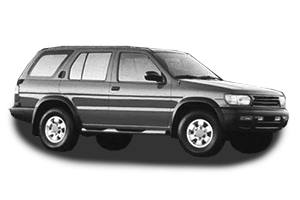
Shock absorbers NISSAN PATHFINDER
#WSK
Select year
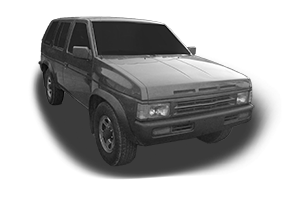
1989.08
(74)
1995.10
(74)
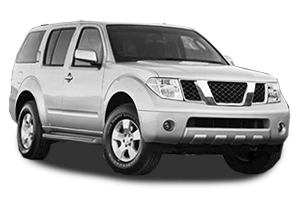
2010.01
(128)
(126)
(120)
2010.01
(128)
(140)
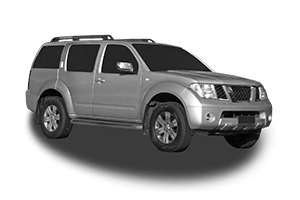
2014.08
(140)
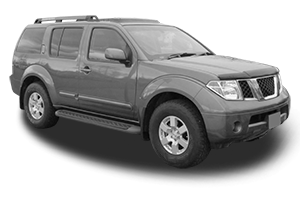
(186)
(188)
2004.12
(96)
2004.12
(125)
1995.08
(95)
1995.10
(109)
(170)
2014.08
(170)
2004.12
(110)
2000.10
(110)
2004.12
(125)
2004.12
(162)
(190)
(183)
(194)

(198)

TRW
Shock absorber JGE175S
Nissan Pathfinder Common Problems, Parts for Repair, and Maintenance Guide
Introduction
The Nissan Pathfinder is a popular SUV known for its ruggedness and versatility, offering both power and comfort. However, like any vehicle, it comes with its share of common problems, particularly as it ages. In this guide, we’ll explore the most common issues, parts that often require replacement or repair, as well as the recommended maintenance schedule for the Nissan Pathfinder.
Common Issues in Nissan Pathfinder
1. Transmission Problems
The Nissan Pathfinder has been known to have transmission issues, particularly in earlier models (2005-2012). Common symptoms include slipping gears, delayed shifting, or rough shifting. These problems may arise due to a faulty valve body or low transmission fluid levels. The fix may involve replacing the valve body, solenoids, or even a full transmission replacement in more severe cases.
2. Timing Chain Issues
Timing chain problems are common in many Nissan models, including the Pathfinder. As the timing chain wears out, it can lead to an engine misfire, poor acceleration, or a rattling noise from the engine. If not addressed, it can result in catastrophic engine damage. Regular oil changes and using the right type of oil can help prolong the life of the timing chain.
3. Fuel Sending Unit Failure
Fuel gauge problems are another issue that affects the Pathfinder, especially in models from 2005-2010. The fuel sending unit, which determines the amount of fuel in the tank, can fail, causing the fuel gauge to give incorrect readings. Replacing the fuel sending unit in the tank is the solution, but this can be a costly repair, often requiring the removal of the fuel tank.
4. Brake Problems
Like many large SUVs, the Nissan Pathfinder is prone to brake issues, particularly brake pad wear and rotor warping. Drivers may notice vibration or a pulsating brake pedal. Regularly checking the brake pads and replacing them when necessary can prevent further damage to the brake system.
5. Steering Rack Leaks
Some older Pathfinder models experience steering rack leaks. A loss of steering fluid can result in difficulty steering and a whining noise while turning. The solution is typically a replacement of the steering rack and flushing the power steering system.
Parts That Require Regular Maintenance or Replacement
1. Oil and Oil Filters
Regular oil changes are crucial for maintaining engine health. It is recommended to change the oil every 3,000 to 5,000 miles, depending on the type of oil used (synthetic or conventional). Additionally, the oil filter should be replaced during each oil change to ensure that contaminants do not affect engine performance.
2. Air Filters
The air filter is responsible for ensuring that clean air enters the engine, which is crucial for combustion. Over time, air filters can become clogged with dirt and debris, reducing engine efficiency and power. It is advisable to replace the air filter every 15,000 to 30,000 miles, or more frequently in dusty environments.
3. Spark Plugs
Spark plugs play a key role in ignition and fuel efficiency. They should be replaced every 30,000 to 50,000 miles to prevent engine misfires and ensure smooth performance. Faulty spark plugs can cause poor fuel economy, rough idling, and hesitation during acceleration.
4. Brake Pads and Rotors
The brake pads and rotors should be inspected every 15,000 miles and replaced when worn. Uneven wear or excessive vibration during braking may signal that it’s time to replace these components. It’s important to replace both pads and rotors at the same time to ensure optimal braking performance.
5. Timing Chain
As mentioned, the timing chain should be inspected regularly. If the engine starts to make a rattling noise, or the car experiences poor acceleration, it could be a sign of a timing chain issue. Regular oil changes and using high-quality oil can help prevent premature wear of the timing chain.
Recommended Maintenance Schedule
Every 5,000 to 7,500 Miles
- Oil change and oil filter replacement
- Air filter inspection and replacement if necessary
- Check tire pressure and rotate tires
- Inspect brake pads for wear
Every 15,000 Miles
- Inspect and replace cabin air filter
- Inspect brake system, including fluid levels
- Check and replace spark plugs if necessary
Every 30,000 Miles
- Inspect and replace timing chain (if applicable)
- Inspect the fuel system and replace fuel filter
- Check and replace the transmission fluid
Every 60,000 Miles
- Inspect the steering rack and replace if necessary
- Inspect the suspension components
Every 100,000 Miles
- Replace spark plugs (if not done earlier)
- Inspect and possibly replace the timing chain
Conclusion
The Nissan Pathfinder is a durable and reliable vehicle, but like any car, it requires regular maintenance to ensure it runs smoothly. By staying on top of common issues and following a regular maintenance schedule, you can prolong the life of your Pathfinder and keep it running efficiently. Always consult your owner’s manual for specific maintenance intervals and consult a certified mechanic for any concerns.
- Engine Oil NISSAN PATHFINDER
- Car Body NISSAN PATHFINDER
- Engine Parts NISSAN PATHFINDER
- Tyres NISSAN PATHFINDER
- Wiper Blades NISSAN PATHFINDER
- Brake Discs NISSAN PATHFINDER
- Brake Pads NISSAN PATHFINDER
- Oil Filters NISSAN PATHFINDER
- Fuel Filters NISSAN PATHFINDER
- Air Filters NISSAN PATHFINDER
- Suspension Parts NISSAN PATHFINDER
- Stabilizer NISSAN PATHFINDER
- Ignition/Glow System NISSAN PATHFINDER
- Bulbs NISSAN PATHFINDER
- Car Filters NISSAN PATHFINDER
- Clutch NISSAN PATHFINDER
- Batteries NISSAN PATHFINDER
- Tuning NISSAN PATHFINDER
- Engine Radiator NISSAN PATHFINDER
- Exhaust System NISSAN PATHFINDER
- Intake System NISSAN PATHFINDER
- Intercoolers NISSAN PATHFINDER
- Brake Calipers NISSAN PATHFINDER
- Muffler NISSAN PATHFINDER
- Flywheel NISSAN PATHFINDER
- Brakes NISSAN PATHFINDER
Shock absorbers for other models of NISSAN
- Shock absorbers NISSAN 350Z
- Shock absorbers NISSAN ALMERA
- Shock absorbers NISSAN JUKE
- Shock absorbers NISSAN LEAF
- Shock absorbers NISSAN MICRA
- Shock absorbers NISSAN NAVARA
- Shock absorbers NISSAN NOTE
- Shock absorbers NISSAN NV200
- Shock absorbers NISSAN PATROL
- Shock absorbers NISSAN QASHQAI
- Shock absorbers NISSAN X-TRAIL