
Parts OPEL TIGRA
#WSK
Select year

2010.12
(51)
2010.12
(66)
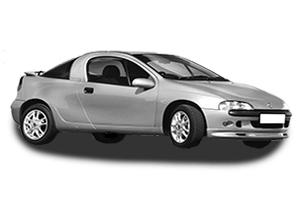
2000.12
(66)
2000.12
(63)
1998.08
(78)
1998.08
(74)
2010.12
(92)
Opel Tigra: Common Issues, Repairs & Maintenance
Explore the most frequent problems, necessary repairs, and regular maintenance for the Opel Tigra.
Introduction
The Opel Tigra is a compact and stylish car known for its sporty design and efficient performance. However, like all vehicles, it is not without its common issues and repair needs. This article will outline some of the typical problems that owners of the Opel Tigra may encounter, as well as the necessary repairs, replacements, and regular maintenance intervals to ensure the vehicle runs smoothly for years.
Common Problems with the Opel Tigra
1. Electrical System Issues
Electrical faults are one of the most frequently reported problems among Opel Tigra owners. These can range from malfunctioning headlights to faulty alternators. Owners often experience issues with the battery not charging properly, leading to frequent breakdowns. The electrical connections in the vehicle, particularly under the dashboard, should be inspected regularly.
2. Engine Problems
While the Opel Tigra generally offers good performance, some models may experience engine troubles as they age. Common issues include poor fuel economy, stalling, or rough idling. These issues are often linked to the fuel injectors or ignition coils, which may need to be cleaned or replaced.
3. Gearbox & Transmission Troubles
The Opel Tigra’s gearbox can sometimes be problematic, especially in models with manual transmissions. The most common complaint is difficulty shifting gears or hearing grinding noises. These issues are often caused by worn clutch components or a failing gearbox synchronizer. Regular servicing of the clutch is recommended to prevent these issues.
4. Suspension and Steering Problems
As with many small cars, the Opel Tigra’s suspension system is subject to wear and tear, particularly if the vehicle is frequently driven on rough roads. The suspension arms, shock absorbers, and bushings may need replacing over time. Steering issues, such as power steering failure, are also commonly reported. Regular checks and replacement of worn components can help prevent serious handling problems.
5. Rusting & Body Corrosion
Older Opel Tigra models are prone to rust, particularly in areas like the wheel arches and lower body panels. If not addressed early, rust can lead to significant body damage. Regular waxing and rust-proofing treatments can help protect the bodywork, especially in regions with harsh winters or high humidity.
Parts That Require Regular Replacement
1. Timing Belt
The timing belt in the Opel Tigra should be replaced every 60,000 to 100,000 miles, depending on the model year. A failure of the timing belt can lead to catastrophic engine damage, so it is crucial to follow the recommended replacement schedule.
2. Brake Pads and Discs
Brake pads and discs should be inspected regularly, with the pads generally needing replacement every 30,000 to 50,000 miles. Worn-out brake pads can cause reduced braking performance and potential damage to the discs, requiring more expensive repairs.
3. Air Filters
Air filters should be replaced every 12,000 to 15,000 miles to maintain engine efficiency and fuel economy. A clogged air filter can reduce engine performance and increase emissions.
4. Spark Plugs
Spark plugs should be replaced every 30,000 to 50,000 miles, depending on the type of spark plugs used in your Tigra model. Worn spark plugs can cause poor acceleration, misfires, and reduced fuel economy.
Recommended Fluids and Maintenance Intervals
1. Engine Oil
Engine oil should be replaced every 5,000 to 10,000 miles, depending on whether synthetic oil is used. Regular oil changes help keep the engine running smoothly and prevent unnecessary wear.
2. Transmission Fluid
Transmission fluid should be checked regularly and replaced every 30,000 to 60,000 miles. Low or dirty transmission fluid can lead to poor shifting and transmission damage over time.
3. Coolant
Coolant should be replaced every 2 years or 24,000 miles to prevent overheating and corrosion of the cooling system components. It is essential for the vehicle’s longevity, especially for the engine.
4. Power Steering Fluid
Power steering fluid should be topped up and replaced as needed. Check it regularly to avoid issues with steering performance. Typically, it should be replaced every 50,000 miles.
Conclusion
While the Opel Tigra is a reliable vehicle, like any car, it requires regular maintenance and timely repairs to ensure long-term durability. By keeping an eye on common issues such as electrical faults, engine performance, and suspension wear, and by following the recommended maintenance schedules for parts like the timing belt, brake pads, and fluids, you can ensure that your Tigra continues to serve you well. Always consult the vehicle’s manual and, when in doubt, seek professional help for more complex issues.
- Engine Oil OPEL TIGRA
- Car Body OPEL TIGRA
- Engine Parts OPEL TIGRA
- Tyres OPEL TIGRA
- Wiper Blades OPEL TIGRA
- Brake Discs OPEL TIGRA
- Brake Pads OPEL TIGRA
- Oil Filters OPEL TIGRA
- Fuel Filters OPEL TIGRA
- Air Filters OPEL TIGRA
- Suspension Parts OPEL TIGRA
- Stabilizer OPEL TIGRA
- Ignition/Glow System OPEL TIGRA
- Bulbs OPEL TIGRA
- Car Filters OPEL TIGRA
- Clutch OPEL TIGRA
- Batteries OPEL TIGRA
- Tuning OPEL TIGRA
- Engine Radiator OPEL TIGRA
- Exhaust System OPEL TIGRA
- Intake System OPEL TIGRA
- Intercoolers OPEL TIGRA
- Brake Calipers OPEL TIGRA
- Muffler OPEL TIGRA
- Shock absorbers OPEL TIGRA
- Flywheel OPEL TIGRA
- Brakes OPEL TIGRA