
Shock absorbers OPEL VIVARO
#WSK
Select year

2024.03
(100)
(100)

2024.03
(100)
(100)

2024.03
(100)
(100)
(100)
2024.09
(100)
(100)
2025.04
(75)
2025.04
(88)
(88)
2025.04
(75)
(88)
2016.12
(103)
2019.12
(92)
2019.12
(107)
2019.12
(70)
2019.12
(88)
2016.12
(66)
2016.12
(85)
2019.12
(89)

2019.12
(92)
2016.12
(103)
2019.12
(107)
2019.12
(88)
2016.12
(85)
2016.12
(66)
2016.12
(85)
2019.12
(70)
2016.12
(103)
2019.12
(107)
2019.12
(88)
2019.12
(92)
2019.12
(89)

2006.07
(60)
2014.07
(74)
2014.07
(60)
2010.12
(74)
2006.07
(60)
2014.07
(74)
2014.07
(84)
2014.07
(66)
2014.07
(84)
2014.07
(66)
2014.07
(66)
2014.07
(84)
2025.04
(130)
2022.12
(110)
2025.04
(106)
2022.12
(90)
2025.04
(106)
2022.12
(90)
2025.04
(106)
2025.04
(130)
2022.12
(110)
2022.12
(110)
2025.04
(106)
2006.07
(88)
2014.07
(86)
2006.07
(88)
2014.07
(86)
2006.07
(88)
2014.07
(86)
(110)
(132)
(110)
(110)
(132)
2014.07
(107)
2010.03
(99)
2014.07
(107)
2010.03
(99)
2014.07
(107)
2010.03
(99)
2010.03
(84)
2010.03
(84)
2010.03
(84)
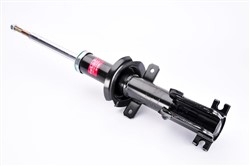
KYB
Shock absorber KYB335803
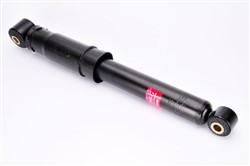
KYB
Shock absorber KYB344803
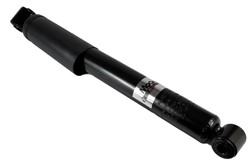
MAGNUM TECHNOLOGY
Shock absorber AG1079MT

SACHS
Shock absorber 315 865

TRW
Shock absorber JGM351S

TRW
Shock absorber JGT311S
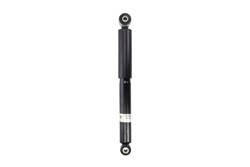
BILSTEIN
Shock absorber 19-152615
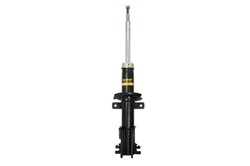
MONROE
Shock absorber MONV4504

SACHS
Shock absorber 560 558
Opel Vivaro: Common Problems, Maintenance, and Repair Guide
Introduction to the Opel Vivaro
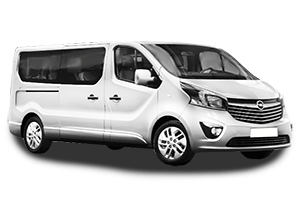
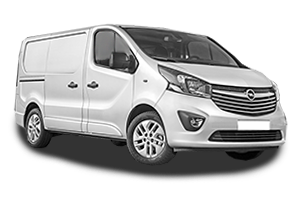
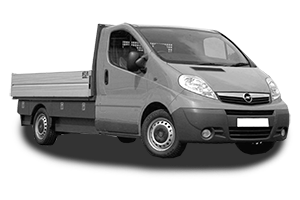
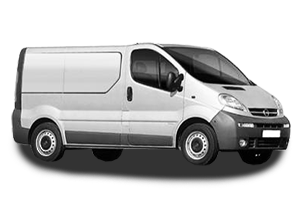
The Opel Vivaro is a compact commercial van manufactured by Opel, a subsidiary of the French car maker PSA Group. Known for its versatile design, practicality, and spacious interior, the Vivaro has been a popular choice for businesses requiring reliable transport for goods or personnel. Produced since 2001, it has seen several iterations, including the Vivaro A, B, and the latest models. While the Vivaro offers great utility and performance, like any vehicle, it has its share of common problems that owners should be aware of.
Common Problems with the Opel Vivaro
1. Engine and Performance Issues
Owners of earlier models of the Opel Vivaro, particularly the Vivaro A, have reported issues with the engine stalling or struggling to start. These problems are often linked to the fuel system or issues with the turbocharger. Additionally, the diesel particulate filter (DPF) can become clogged over time, leading to reduced engine performance. If the van experiences sluggish acceleration, a blocked DPF might be the cause.
2. Electrical Problems
The Opel Vivaro has seen its share of electrical system issues, including problems with the alternator and starter motor. Issues with the battery, especially in older models, can also cause the van to fail to start or cause dimming lights while driving. Malfunctioning wiring in the central locking system has also been noted by Vivaro owners.
3. Suspension Problems
The suspension system in the Opel Vivaro, particularly in the front suspension, is prone to wear. Bushing wear and tear is one of the most common causes of clunking noises from the suspension. This issue can affect ride comfort and handling. Over time, the shock absorbers may also need replacing, especially if the van is regularly used for heavy-duty tasks.
4. Gearbox and Clutch Issues
Several Vivaro owners have reported issues with the gearbox, particularly the earlier models. Problems with shifting gears smoothly or experiencing difficulty engaging gears can be due to worn-out clutch parts. Additionally, the clutch slave cylinder may leak fluid, which affects clutch performance.
5. Turbocharger Failures
In some cases, the turbocharger in the Vivaro can fail, which typically results in a significant loss of power. This problem is particularly common in models with high mileage. Regular oil changes and proper maintenance are key to preventing turbocharger failures.
Parts That Require Regular Replacement or Repair
1. Timing Belt
The timing belt is a crucial component that requires regular attention. It is recommended to replace the timing belt every 60,000 to 80,000 miles to prevent a potential failure, which could lead to severe engine damage.
2. Brake Pads and Discs
Regularly check the brake pads and discs for wear. It is essential to replace the brake pads every 30,000 to 40,000 miles, depending on your driving style and conditions. Neglecting the brake system can lead to safety issues and further damage to the brake discs.
3. Battery
The battery typically needs to be replaced every 3 to 5 years. Keep an eye on the battery’s charge and ensure the terminals are clean and free of corrosion. If you notice issues with starting the van, a battery check is essential.
4. Air Filter
The air filter should be changed every 15,000 to 30,000 miles, depending on driving conditions. A clogged air filter can affect engine performance, fuel economy, and overall engine health.
5. Suspension Components
As the suspension system takes a lot of stress, particularly in commercial van usage, regularly check components like shock absorbers, springs, and bushings. Replace any worn-out components every 40,000 to 60,000 miles, depending on usage.
Recommended Maintenance and Fluid Change Schedules
1. Oil and Oil Filter
Regular oil changes are essential for the long-term health of your Opel Vivaro's engine. It is recommended to change the engine oil and oil filter every 10,000 to 15,000 miles, or every 12 months, whichever comes first. Always use high-quality oil suitable for diesel engines.
2. Transmission Fluid
Transmission fluid should be checked regularly and changed as per the manufacturer's recommendation. For most models, it is advised to change the fluid every 40,000 to 60,000 miles to keep the gearbox running smoothly.
3. Brake Fluid
Brake fluid is essential for maintaining braking performance. Change the brake fluid every 2 years or 24,000 miles to ensure optimal braking performance and to avoid corrosion in the brake lines.
4. Coolant
Keep the coolant at the correct level and replace it every 4 years or 50,000 miles to avoid engine overheating and to preserve the engine’s longevity.
5. Power Steering Fluid
Power steering fluid should be checked and replaced every 30,000 to 50,000 miles to ensure smooth steering. If you notice difficulty in steering, it might be time to check the power steering system.
Conclusion
The Opel Vivaro is a reliable and versatile commercial vehicle, but like all vehicles, it is susceptible to certain problems, especially as it accumulates mileage. Regular maintenance and addressing common issues promptly can help extend the lifespan of the van. By staying on top of repairs, replacing worn-out parts, and sticking to the recommended maintenance schedules, owners can ensure their Vivaro continues to perform efficiently for years to come.
- Engine Oil OPEL VIVARO
- Car Body OPEL VIVARO
- Engine Parts OPEL VIVARO
- Tyres OPEL VIVARO
- Wiper Blades OPEL VIVARO
- Brake Discs OPEL VIVARO
- Brake Pads OPEL VIVARO
- Oil Filters OPEL VIVARO
- Fuel Filters OPEL VIVARO
- Air Filters OPEL VIVARO
- Suspension Parts OPEL VIVARO
- Stabilizer OPEL VIVARO
- Ignition/Glow System OPEL VIVARO
- Bulbs OPEL VIVARO
- Car Filters OPEL VIVARO
- Clutch OPEL VIVARO
- Batteries OPEL VIVARO
- Tuning OPEL VIVARO
- Engine Radiator OPEL VIVARO
- Exhaust System OPEL VIVARO
- Intake System OPEL VIVARO
- Intercoolers OPEL VIVARO
- Brake Calipers OPEL VIVARO
- Muffler OPEL VIVARO
- Flywheel OPEL VIVARO
- Brakes OPEL VIVARO