
Parts RENAULT FLUENCE
#WSK
Select year
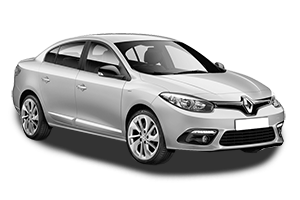
(70)
(70)
(63)
(78)
(81)
(66)
(84)
(86)
(81)
(82)
(96)
2014.11
(85)
(81)
(105)
(101)
(103)
Renault Fluence: Common Problems, Repairs, and Maintenance
Explore the common issues faced by Renault Fluence owners, necessary repairs, and essential maintenance tips to keep your car running smoothly.
Introduction to Renault Fluence
The Renault Fluence is a compact sedan introduced in 2009. Known for its sleek design and efficient performance, it has gained popularity, particularly in European markets. However, like all vehicles, it is subject to common issues that owners should be aware of to ensure its longevity and optimal performance.
Common Problems in Renault Fluence
Despite its overall reliability, Renault Fluence has had a few recurring issues that owners should keep an eye on. Below are some of the most frequently reported problems:
1. Electrical System Failures
Electrical problems are common, particularly with the central locking system, dashboard lights, and malfunctioning window regulators. These issues often arise from faulty wiring or electrical connections. If you experience unresponsive buttons or irregular electrical behavior, it is advisable to check the wiring or consult a specialist to avoid further complications.
2. Timing Belt Issues
The timing belt in the Renault Fluence is prone to wear and tear, particularly on models over 100,000 miles. A worn-out timing belt can cause severe engine damage, and it is crucial to replace it at the manufacturer-recommended intervals (usually every 60,000 to 100,000 miles). Failure to replace the timing belt in time can result in costly repairs.
3. Suspension and Steering Problems
The suspension system on the Renault Fluence, especially the front struts and rear shock absorbers, may wear out over time. This can lead to poor handling, vibrations, or unusual noises during driving. Regular checks and replacements can help avoid costly damage and maintain driving comfort.
4. Diesel Particulate Filter (DPF) Issues
For diesel variants of the Fluence, DPF clogging can be a significant issue, especially with frequent short trips that do not allow for sufficient regeneration of the filter. This results in reduced engine performance, and in some cases, the DPF may need to be replaced or cleaned to restore normal operation.
5. Transmission Problems
Some Fluence models, especially those with the automated manual transmission (AMT), have been known to develop transmission issues. These include jerky shifting, delayed engagement, or failure to engage gears. Regular fluid checks and timely transmission service can help prevent such problems from escalating.
Recommended Repairs and Replacements
As with any vehicle, regular maintenance and timely repairs can help ensure your Renault Fluence stays in good condition. Below are the key components that require attention:
1. Timing Belt Replacement
As mentioned, the timing belt should be replaced between 60,000 to 100,000 miles, depending on the model year and engine type. Failure to replace the timing belt on time can lead to serious engine damage.
2. Brake Pads and Discs
The brake pads and discs should be checked at least once every 20,000 miles. Worn brake pads or discs can lead to decreased braking performance and safety concerns. Replace them when you notice any signs of wear, such as squeaking or decreased stopping power.
3. Suspension Components
The front struts and rear shock absorbers should be replaced if you notice any unusual noises when driving over bumps or if the vehicle experiences poor handling or uneven tire wear. Regular suspension checks will help avoid more costly repairs.
4. Fluid Changes
Regular fluid changes are crucial for maintaining the health of your Fluence’s engine, transmission, and braking systems. Engine oil should be changed every 5,000 to 7,500 miles, while transmission fluid and brake fluid should be checked and replaced according to the manufacturer’s recommendations.
Regular Maintenance and Service Intervals
Regular maintenance is key to prolonging the life of your Renault Fluence. Below are the essential service intervals:
1. Oil Change
Engine oil should be replaced every 5,000 to 7,500 miles to ensure smooth engine performance. Always use the recommended oil type specified by Renault to maintain engine efficiency.
2. Air Filters
The engine air filter and cabin air filter should be replaced every 15,000 to 20,000 miles to ensure optimal engine performance and air quality inside the cabin.
3. Brake Fluid
Brake fluid should be replaced every 2 years or 30,000 miles to maintain braking efficiency and prevent corrosion of braking components.
4. Tire Rotation and Balancing
To ensure even tire wear, rotate and balance your tires every 6,000 to 8,000 miles. This helps extend the lifespan of the tires and ensures proper handling of the vehicle.
Conclusion
The Renault Fluence, like any vehicle, requires proper care and attention to avoid common issues. Regular maintenance, such as timing belt replacement, fluid changes, and suspension checks, can help prevent costly repairs and keep your vehicle running smoothly. By staying on top of these key aspects, you can ensure that your Renault Fluence continues to provide reliable performance for many years.
- Engine Oil RENAULT FLUENCE
- Car Body RENAULT FLUENCE
- Engine Parts RENAULT FLUENCE
- Tyres RENAULT FLUENCE
- Wiper Blades RENAULT FLUENCE
- Brake Discs RENAULT FLUENCE
- Brake Pads RENAULT FLUENCE
- Oil Filters RENAULT FLUENCE
- Fuel Filters RENAULT FLUENCE
- Air Filters RENAULT FLUENCE
- Suspension Parts RENAULT FLUENCE
- Stabilizer RENAULT FLUENCE
- Ignition/Glow System RENAULT FLUENCE
- Bulbs RENAULT FLUENCE
- Car Filters RENAULT FLUENCE
- Clutch RENAULT FLUENCE
- Batteries RENAULT FLUENCE
- Tuning RENAULT FLUENCE
- Engine Radiator RENAULT FLUENCE
- Exhaust System RENAULT FLUENCE
- Intake System RENAULT FLUENCE
- Intercoolers RENAULT FLUENCE
- Brake Calipers RENAULT FLUENCE
- Muffler RENAULT FLUENCE
- Shock absorbers RENAULT FLUENCE
- Flywheel RENAULT FLUENCE
- Brakes RENAULT FLUENCE