
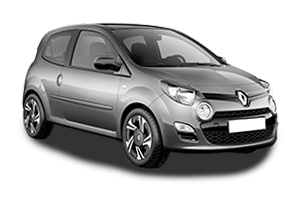
Shock absorbers RENAULT TWINGO
#WSK
Select year
(60)
2024.07
(60)
2019.04
(80)
2019.04
(66)
2019.04
(66)
2021.01
(68)
2002.12
(43)
2024.07
(48)
2019.04
(52)
2019.04
(51)
2021.01
(54)
2007.06
(43)
2007.03
(40)
2007.06
(44)
2007.06
(55)
2007.06
(44)
2012.06
(55)
2003.08
(44)
2014.09
(43)
2014.09
(55)
2014.09
(55)
2010.10
(56)
2013.08
(75)
2014.09
(74)
1996.10
(40)
2014.09
(47)
2014.09
(62)
2014.08
(55)
2014.09
(63)
2014.09
(98)
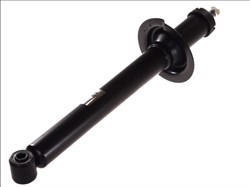
MAGNUM TECHNOLOGY
Shock absorber AHR065MT

BILSTEIN
Shock absorber 22-156655
Renault Twingo Maintenance and Common Issues
The Renault Twingo is a popular compact car known for its city-friendly design and efficiency. However, like any vehicle, it is not without its issues. This article will explore the common problems owners face, the parts that often require replacement, and the maintenance schedule necessary to keep your Twingo running smoothly.
Overview of the Renault Twingo
The Renault Twingo is a small, city-friendly car produced by the French manufacturer Renault. Initially launched in 1992, it has undergone several revisions, with the most recent model being introduced in 2014. The Twingo has earned a reputation for being economical, easy to drive, and compact enough to navigate tight urban spaces.
Common Problems in the Renault Twingo
While the Renault Twingo is generally a reliable car, there are a few recurring issues that owners may face. These are usually associated with specific components that wear down over time or experience faults due to design or manufacturing issues.
1. Electrical Issues
One of the most common issues in the Renault Twingo is electrical problems. These can range from minor glitches like malfunctioning power windows to more severe issues like the failure of the central locking system. Owners have reported that wiring can become worn, leading to intermittent faults. It is advisable to have the wiring and fuses checked regularly, especially in older models.
2. Clutch and Gearbox Problems
Owners of Twingos with manual transmissions often experience issues with the clutch or gearbox. The clutch pedal can feel heavy or unresponsive, particularly on models with higher mileage. In some cases, the gearbox can make unusual noises or fail to engage smoothly. Regular checks and timely clutch replacement can help mitigate these issues.
3. Suspension Wear
Suspension issues are another common concern for Renault Twingo owners. Problems with the front suspension, such as worn-out shock absorbers or ball joints, can cause the car to feel bumpy or unstable while driving. This is particularly noticeable on models with higher mileage or those that have been driven on rough roads.
4. Engine and Cooling System Failures
Some Renault Twingo models, particularly earlier versions, have been known to experience engine overheating issues. This is usually due to faults in the cooling system, such as a failing radiator or thermostat. It's important to keep the cooling system in good condition and check for leaks or blockages regularly to avoid engine damage.
5. Brake System Wear
The brake system in the Twingo can wear out faster than expected, especially if the car is frequently used for short trips. Brake pads and discs need to be checked at regular intervals to ensure optimal performance. Worn brakes can lead to longer stopping distances and an increased risk of accidents.
Parts that Require Regular Replacement
Like all cars, the Renault Twingo requires certain parts to be replaced regularly to maintain its performance and longevity. Here are the most important consumables:
1. Oil and Oil Filter
Regular oil changes are essential for the health of the engine. The recommended oil change interval for the Renault Twingo is typically every 10,000 to 15,000 miles, depending on the model and driving conditions. Always use the recommended engine oil and replace the oil filter at the same time to ensure optimal engine performance.
2. Air Filter
The air filter prevents dirt and debris from entering the engine. Over time, it can become clogged, affecting the engine's efficiency. The air filter should be replaced approximately every 12,000 to 15,000 miles, or more frequently if you drive in dusty or polluted environments.
3. Timing Belt
Replacing the timing belt is critical to prevent serious engine damage. Depending on the model and year of your Twingo, the timing belt should be replaced every 60,000 to 100,000 miles. Failure to replace it at the right time can lead to engine failure.
4. Spark Plugs
Spark plugs are responsible for igniting the air-fuel mixture in the engine. Over time, they can wear out and cause the engine to misfire, leading to reduced performance and fuel efficiency. It's recommended to replace the spark plugs every 30,000 to 50,000 miles, depending on the model.
5. Brake Pads and Discs
Brake pads should be replaced regularly, as they wear down with use. In general, brake pads should be replaced every 25,000 to 40,000 miles. If you hear squeaking noises or notice reduced braking performance, it might be time to inspect and replace the brake pads.
Recommended Maintenance Schedule
To keep your Renault Twingo running at its best, following a regular maintenance schedule is essential. Here’s a breakdown of the most important tasks:
1. Every 10,000 to 15,000 miles
- Change engine oil and oil filter
- Inspect brake pads and discs
- Check the air filter and replace if necessary
- Check tire pressure and tread depth
- Inspect and replace cabin air filter if necessary
2. Every 30,000 to 50,000 miles
- Replace spark plugs
- Inspect the cooling system, including radiator and hoses
- Inspect the suspension for wear
- Check the timing belt (replace if necessary)
3. Every 60,000 to 100,000 miles
- Replace timing belt
- Check and replace any worn-out suspension components
- Inspect the engine for leaks or unusual wear
Conclusion
The Renault Twingo is a reliable and economical city car, but like any vehicle, it requires regular maintenance and attention to ensure a long service life. By staying on top of common issues and following the recommended maintenance schedule, you can enjoy many years of driving with minimal problems. Always consult a professional mechanic for complex repairs, and don’t hesitate to address any issues as soon as they arise to keep your Twingo in top condition.
- Engine Oil RENAULT TWINGO
- Car Body RENAULT TWINGO
- Engine Parts RENAULT TWINGO
- Tyres RENAULT TWINGO
- Wiper Blades RENAULT TWINGO
- Brake Discs RENAULT TWINGO
- Brake Pads RENAULT TWINGO
- Oil Filters RENAULT TWINGO
- Fuel Filters RENAULT TWINGO
- Air Filters RENAULT TWINGO
- Suspension Parts RENAULT TWINGO
- Stabilizer RENAULT TWINGO
- Ignition/Glow System RENAULT TWINGO
- Bulbs RENAULT TWINGO
- Car Filters RENAULT TWINGO
- Clutch RENAULT TWINGO
- Batteries RENAULT TWINGO
- Tuning RENAULT TWINGO
- Engine Radiator RENAULT TWINGO
- Exhaust System RENAULT TWINGO
- Intake System RENAULT TWINGO
- Intercoolers RENAULT TWINGO
- Brake Calipers RENAULT TWINGO
- Muffler RENAULT TWINGO
- Flywheel RENAULT TWINGO
- Brakes RENAULT TWINGO