
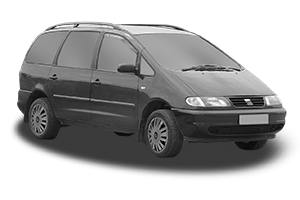
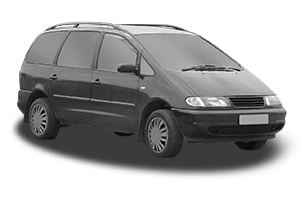
Parts SEAT ALHAMBRA
#WSK
Select year

2015.04
(110)
2022.12
(110)

2022.12
(110)
2010.03
(110)
2015.04
(118)
2010.03
(66)
2010.03
(85)
2008.11
(96)
2000.06
(81)
2007.05
(110)
2010.03
(85)
2008.11
(96)
2008.05
(85)
2002.02
(81)
2010.03
(85)
2010.03
(66)
2022.12
(85)
2011.05
(100)
2022.12
(110)
2013.02
(125)
2015.04
(103)
2018.08
(135)
2022.12
(130)
2022.12
(130)
2015.04
(103)
2018.08
(135)
2022.12
(110)
2010.03
(103)
2022.12
(110)
2018.08
(135)
2018.09
(85)
2022.12
(110)
2012.05
(147)
2022.12
(162)
2010.03
(85)
2010.03
(85)
2010.03
(150)
2010.03
(150)
Seat Alhambra: A Comprehensive Guide to Common Problems, Maintenance, and Repair
Explore the key issues and maintenance needs for the Seat Alhambra, a reliable family MPV.
Overview of the Seat Alhambra
The Seat Alhambra is a multi-purpose vehicle (MPV) designed for families who need both comfort and practicality. It was first introduced in the 1990s and has gone through several updates, becoming a popular choice for those seeking a spacious and versatile car. Despite its robust design, like any vehicle, the Alhambra has certain common issues that owners should be aware of.
Common Problems with the Seat Alhambra
1. Transmission Issues
One of the most reported problems with the Seat Alhambra is related to its transmission, particularly in earlier models. Owners have reported issues with the automatic transmission, including hesitation during acceleration and rough shifting. This is often linked to faulty transmission fluid or worn-out components such as the gearbox mount.
2. Electrical Problems
Electrical issues are also quite common in the Seat Alhambra. These can range from malfunctioning window regulators to problems with the central locking system. The fuse box and wiring harnesses may wear out over time, leading to intermittent electrical faults. Ensuring that the electrical connections are regularly checked can prevent these problems from escalating.
3. Suspension Wear
Another common issue reported by Alhambra owners is premature suspension wear. This includes issues with the front struts, rear shock absorbers, and bushings. A noisy suspension, especially when driving over bumps, often signals that the suspension components need attention.
4. Timing Belt and Water Pump Failure
Timing belt failure can cause significant engine damage if not replaced in time. Alhambra owners are advised to replace the timing belt and water pump every 60,000 to 100,000 miles, depending on the model and engine variant, to avoid costly repairs and engine failure.
Seat Alhambra Maintenance Tips
1. Regular Oil Changes
Oil changes are crucial for the longevity of the Seat Alhambra. It's recommended to change the engine oil every 10,000 to 15,000 miles, depending on the model year and driving conditions. Always use the oil type recommended in the owner’s manual to maintain engine efficiency.
2. Brake Pad Replacement
Like many vehicles, the Seat Alhambra requires regular brake pad inspections. Typically, brake pads should be checked every 12,000 miles. If you hear squeaking or grinding noises, it's time for a replacement. Ensure the brake fluid is also maintained to avoid braking issues.
3. Timing Belt Replacement
As mentioned earlier, timing belt replacement is essential for preventing engine damage. It is recommended to follow the manufacturer's guidelines regarding the timing belt and water pump replacement intervals to ensure optimal performance.
4. Cooling System Maintenance
The cooling system in the Seat Alhambra is critical, especially to prevent overheating and engine damage. Regular checks on the coolant levels and radiator health are important. It is recommended to replace the coolant every 40,000 miles to maintain the system's efficiency.
Recommended Parts and Fluids for Seat Alhambra
1. Engine Oil
For optimal performance, always use the recommended engine oil grade as specified in the owner’s manual. For most models, a fully synthetic 5W-30 or 5W-40 oil is advised to maintain the engine's health, especially under heavier loads.
2. Air Filters
Replacing the air filter regularly is key to ensuring that the engine gets clean air for combustion. Typically, air filters should be replaced every 15,000 to 30,000 miles, depending on the environment you drive in.
3. Brake Fluid
Brake fluid should be replaced every two years, as moisture can build up over time, which can compromise braking performance. Use the recommended brake fluid type, often DOT 4 or DOT 5.1, for safe and efficient braking.
4. Tyres
The tyres on the Seat Alhambra should be checked regularly for wear and pressure. It’s essential to replace tyres that are worn down below the tread wear indicators. Always use tyres that meet the recommended specifications for safety and fuel efficiency.
Conclusion
While the Seat Alhambra is a reliable family vehicle, like all cars, it is not without its share of common issues. Regular maintenance and timely repairs are crucial to ensure the longevity and performance of the vehicle. By following the manufacturer's maintenance schedule and addressing common problems early, owners can enjoy a trouble-free experience for years to come.
- Engine Oil SEAT ALHAMBRA
- Car Body SEAT ALHAMBRA
- Engine Parts SEAT ALHAMBRA
- Tyres SEAT ALHAMBRA
- Wiper Blades SEAT ALHAMBRA
- Brake Discs SEAT ALHAMBRA
- Brake Pads SEAT ALHAMBRA
- Oil Filters SEAT ALHAMBRA
- Fuel Filters SEAT ALHAMBRA
- Air Filters SEAT ALHAMBRA
- Suspension Parts SEAT ALHAMBRA
- Stabilizer SEAT ALHAMBRA
- Ignition/Glow System SEAT ALHAMBRA
- Bulbs SEAT ALHAMBRA
- Car Filters SEAT ALHAMBRA
- Clutch SEAT ALHAMBRA
- Batteries SEAT ALHAMBRA
- Tuning SEAT ALHAMBRA
- Engine Radiator SEAT ALHAMBRA
- Exhaust System SEAT ALHAMBRA
- Intake System SEAT ALHAMBRA
- Intercoolers SEAT ALHAMBRA
- Brake Calipers SEAT ALHAMBRA
- Muffler SEAT ALHAMBRA
- Shock absorbers SEAT ALHAMBRA
- Flywheel SEAT ALHAMBRA
- Brakes SEAT ALHAMBRA