
Shock absorbers TOYOTA CELICA
#WSK
Select year
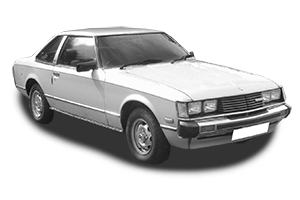
1985.12
(91)
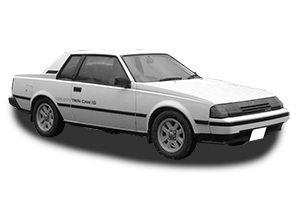
1989.08
(63)
1989.08
(91)
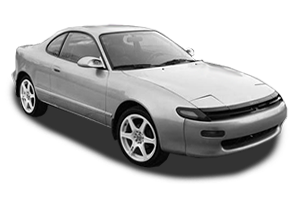
1993.12
(77)

1989.08
(63)
1989.08
(85)
1989.08
(91)
1989.12
(92)

1999.11
(85)
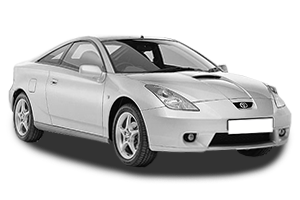
2005.09
(104)
2005.07
(105)
2005.09
(141)
1985.12
(88)
1985.12
(77)
1989.08
(103)
1989.08
(110)

1993.11
(115)
1999.08
(125)
1989.08
(110)
1989.08
(136)
1994.01
(115)
1994.01
(153)
1993.11
(150)
1999.11
(125)
1999.11
(129)
1999.11
(178)
1989.08
(103)
1989.08
(110)
(93)
1981.07
(87)
1985.12
(125)
1985.12
(103)

KYB
Shock absorber KYB365077

KYB
Shock absorber KYB334051

KYB
Shock absorber KYB334050
Toyota Celica: Common Problems, Repairs, and Maintenance
The Toyota Celica is a well-known sports coupe that has gained popularity due to its sleek design and reliable performance. However, like all vehicles, the Celica has its share of common issues that owners should be aware of. This article explores the most frequent problems, parts that may need replacement, and the recommended maintenance schedule for various model years.
1. Common Issues with Toyota Celica
1.1 Engine Problems
The Toyota Celica, particularly from older model years (1990s and early 2000s), is known to suffer from a few common engine-related issues:
- Oil Leaks: One of the most common issues in the Celica, especially in the 1.8L engine variant, is oil leaks around the valve cover gasket and oil seals. These are often the result of wear and tear as the vehicle ages.
- Timing Chain Issues: Some owners have reported issues with the timing chain, such as noise or wear, which can lead to timing problems and engine misfires if not addressed early.
- Excessive Oil Consumption: Some Celica models have shown excessive oil consumption, particularly in higher-mileage units, often linked to worn piston rings or valve seals.
1.2 Suspension and Steering Problems
Another frequent issue in the Toyota Celica involves the suspension and steering systems:
- Worn Suspension Bushings: With the vehicle's sporty nature, suspension components like bushings and shock absorbers often wear out quicker. This can lead to handling issues or vibrations when driving at high speeds.
- Power Steering Failure: Some owners have reported failures with the power steering pump, especially in the older models. This is typically a result of fluid leaks or pump wear.
1.3 Transmission Issues
The Celica's manual transmission is generally reliable, but there are a few concerns to note:
- Clutch Problems: A common issue in manual transmission Celicas is clutch failure, often caused by a worn-out clutch disk. Symptoms include slipping or difficulty shifting gears.
- Gearbox Jamming: In some cases, drivers have reported difficulty shifting into gears, particularly the first and reverse gears, often due to a faulty shift linkage or low transmission fluid.
1.4 Electrical Problems
While Toyota is known for its reliability, some Celica owners experience electrical issues:
- Faulty Alternator: A faulty alternator can lead to electrical power loss, affecting battery charging and various electrical systems.
- Malfunctioning Sensors: Sensors such as the oxygen sensor, mass airflow sensor, and engine coolant temperature sensor can fail over time, causing engine performance issues.
1.5 Body and Interior Issues
As the vehicle ages, certain cosmetic issues can arise:
- Rust on Older Models: In areas with high humidity or salted roads, older Toyota Celicas may develop rust, especially around the wheel arches, door sills, and undercarriage.
- Interior Wear: The interior materials in the Celica, particularly the dashboard and upholstery, are known to wear out quickly, leading to cracks and fading.
2. Recommended Maintenance and Fluid Requirements
2.1 Engine Oil
The Toyota Celica's engine requires regular oil changes to ensure smooth operation. The recommended oil change interval is every 5,000 to 7,500 miles (8,000 to 12,000 km) for most models. Always use the recommended 5W-30 or 10W-30 motor oil (synthetic or conventional) depending on the climate.
2.2 Transmission Fluid
For manual transmission models, the Toyota Celica requires transmission fluid changes every 30,000 to 60,000 miles (48,000 to 96,000 km). It's important to use the recommended fluid type to avoid premature transmission wear. Automatic transmission models require fluid changes at similar intervals.
2.3 Coolant
Replace the coolant every 60,000 to 100,000 miles (96,000 to 160,000 km). It’s important to use the correct coolant type, as recommended in the owner’s manual, to avoid damage to the radiator and engine block.
2.4 Brake Fluid
Brake fluid should be changed every 2 years or 24,000 miles (38,000 km), whichever comes first. This ensures the braking system remains effective and prevents moisture buildup in the brake lines.
2.5 Air and Cabin Filters
The air filter should be inspected and replaced every 15,000 to 30,000 miles (24,000 to 48,000 km), while the cabin filter typically needs replacing every 20,000 to 30,000 miles (32,000 to 48,000 km) to ensure proper airflow inside the vehicle.
2.6 Spark Plugs
For most Toyota Celica models, spark plugs should be replaced every 60,000 to 100,000 miles (96,000 to 160,000 km), depending on the specific engine model. Using high-quality spark plugs ensures optimal ignition and fuel efficiency.
3. Common Parts that Require Replacement
- Brake Pads: Brake pads are a consumable part and should be replaced every 30,000 to 70,000 miles (48,000 to 112,000 km), depending on driving conditions.
- Timing Belt: If your Celica is equipped with a timing belt (typically older models), it should be replaced every 60,000 to 100,000 miles (96,000 to 160,000 km) to prevent belt failure.
- Suspension Components: Shock absorbers, struts, and bushings may need replacement around 100,000 miles (160,000 km), especially in vehicles that have been driven hard or on rough roads.
- Battery: The battery usually needs replacement every 3 to 5 years, depending on weather conditions and usage patterns.
- Engine Oil TOYOTA CELICA
- Car Body TOYOTA CELICA
- Engine Parts TOYOTA CELICA
- Tyres TOYOTA CELICA
- Wiper Blades TOYOTA CELICA
- Brake Discs TOYOTA CELICA
- Brake Pads TOYOTA CELICA
- Oil Filters TOYOTA CELICA
- Fuel Filters TOYOTA CELICA
- Air Filters TOYOTA CELICA
- Suspension Parts TOYOTA CELICA
- Stabilizer TOYOTA CELICA
- Ignition/Glow System TOYOTA CELICA
- Bulbs TOYOTA CELICA
- Car Filters TOYOTA CELICA
- Clutch TOYOTA CELICA
- Batteries TOYOTA CELICA
- Tuning TOYOTA CELICA
- Engine Radiator TOYOTA CELICA
- Exhaust System TOYOTA CELICA
- Intake System TOYOTA CELICA
- Intercoolers TOYOTA CELICA
- Brake Calipers TOYOTA CELICA
- Muffler TOYOTA CELICA
- Flywheel TOYOTA CELICA
- Brakes TOYOTA CELICA
Shock absorbers for other models of TOYOTA
- Shock absorbers TOYOTA AURIS
- Shock absorbers TOYOTA AVENSIS
- Shock absorbers TOYOTA AYGO
- Shock absorbers TOYOTA C-HR
- Shock absorbers TOYOTA COROLLA
- Shock absorbers TOYOTA HIGHLANDER
- Shock absorbers TOYOTA HILUX
- Shock absorbers TOYOTA LAND CRUISER
- Shock absorbers TOYOTA PRIUS
- Shock absorbers TOYOTA RAV 4
- Shock absorbers TOYOTA YARIS