
Parts TOYOTA VERSO
#WSK
Select year

2016.10
(70)
2016.10
(73)
2016.10
(66)
2014.04
(80)
2016.10
(77)
2018.08
(97)
2018.08
(81)
2018.08
(82)

2018.08
(82)
2018.08
(97)
2018.08
(108)
2018.08
(108)
2018.08
(91)
2018.08
(93)
2018.08
(91)
2018.08
(110)
2018.08
(100)
2018.08
(130)
2018.08
(130)
Toyota Verso: Common Issues, Maintenance, and Repair Guide
Explore the Toyota Verso's common problems, parts that require frequent maintenance, and expert recommendations to keep your car running smoothly.
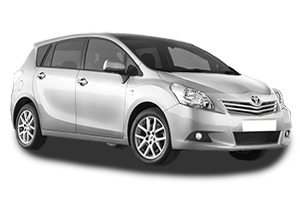
Overview of the Toyota Verso
The Toyota Verso is a compact MPV that was introduced in 2009 and was produced until 2018. Known for its practicality, comfort, and reliable Toyota engineering, the Verso is a popular choice for families. However, like any vehicle, it has its share of common issues and maintenance requirements. This guide delves into these areas to help owners keep their Verso in top condition.
Common Problems with the Toyota Verso
1. Engine Issues
Some Toyota Verso owners report issues with the engine, particularly with the diesel versions. The most common problem is a loss of power or poor fuel efficiency. This could be due to the diesel particulate filter (DPF) becoming clogged or issues with the fuel injectors. Regular cleaning of the DPF and timely replacement of fuel injectors can help avoid these issues.
2. Suspension and Steering Problems
Another recurring issue with the Toyota Verso involves the suspension and steering. Over time, the suspension components such as shock absorbers and ball joints can wear out, leading to clunking noises when driving over bumps. Additionally, the steering may become less responsive, particularly in older models. Replacing these components is necessary to maintain comfort and handling.
3. Electrical Failures
Some owners have reported electrical issues, particularly with the car's dashboard display, lights, and sensors. The Verso has also been known to experience issues with the central locking system. Regular checks and timely repairs of the electrical system can help mitigate these problems. Faulty fuses or wiring can often be the culprit.
4. Transmission Problems
Issues with the automatic transmission have been noted in some Verso models, such as rough shifting or hesitation. These problems may occur due to low transmission fluid levels or a malfunctioning transmission control unit (TCU). Ensuring the transmission fluid is regularly checked and replaced can help prevent this issue from escalating.
Parts That Require Regular Replacement
1. Timing Chain
The timing chain is a crucial component that ensures the engine's valves operate in sync with the pistons. Over time, the timing chain can stretch or wear out, leading to poor engine performance and, in extreme cases, engine failure. It is recommended to replace the timing chain at intervals specified in the owner's manual (typically every 100,000 miles).
2. Brake Pads and Discs
Brake pads and discs wear out over time due to regular use, and the Toyota Verso is no exception. Depending on driving habits, brake pads typically need to be replaced every 30,000 to 50,000 miles. If you hear squealing noises when applying the brakes, it may be time to inspect or replace the brake pads.
3. Air and Cabin Filters
The air and cabin filters in the Toyota Verso play an essential role in maintaining air quality and engine performance. These filters need to be replaced regularly, typically every 15,000 to 30,000 miles, depending on driving conditions. Clogged filters can lead to poor engine performance and reduced air conditioning efficiency.
4. Battery
The battery in the Toyota Verso should be checked regularly, especially in colder climates. A battery typically lasts around 4-5 years, but it’s important to monitor its charge and condition to avoid unexpected failures.
Recommended Maintenance Schedule
1. Engine Oil and Filter Change
Regular oil and filter changes are critical for keeping the engine in good working condition. For the Toyota Verso, it’s recommended to change the oil every 10,000 miles or annually, whichever comes first. Use high-quality synthetic oil and ensure the correct filter type for your engine model.
2. Coolant and Antifreeze
To prevent the engine from overheating, it’s important to check and replace the coolant and antifreeze every 40,000 to 60,000 miles. This helps to prevent corrosion and maintains the proper temperature in the engine.
3. Transmission Fluid
Changing the transmission fluid is often overlooked but is essential to maintain smooth shifting and prevent transmission failure. It is advisable to replace the transmission fluid every 30,000 to 60,000 miles.
4. Tire Rotation and Alignment
To ensure even tire wear and extend the lifespan of your tires, regular tire rotation is recommended every 6,000 to 8,000 miles. Additionally, having the alignment checked regularly can prevent uneven tire wear and improve fuel efficiency.
Expert Recommendations for Toyota Verso Owners
- Pay attention to early signs of suspension or steering issues, such as unusual noises or vibrations.
- Regularly inspect and replace the timing chain to avoid costly engine damage.
- Have the DPF cleaned and fuel injectors checked, especially on diesel models, to ensure optimal fuel efficiency and performance.
- Stay on top of the recommended maintenance schedule to keep your Toyota Verso in good running condition for years to come.
- Engine Oil TOYOTA VERSO
- Car Body TOYOTA VERSO
- Engine Parts TOYOTA VERSO
- Tyres TOYOTA VERSO
- Wiper Blades TOYOTA VERSO
- Brake Discs TOYOTA VERSO
- Brake Pads TOYOTA VERSO
- Oil Filters TOYOTA VERSO
- Fuel Filters TOYOTA VERSO
- Air Filters TOYOTA VERSO
- Suspension Parts TOYOTA VERSO
- Stabilizer TOYOTA VERSO
- Ignition/Glow System TOYOTA VERSO
- Bulbs TOYOTA VERSO
- Car Filters TOYOTA VERSO
- Clutch TOYOTA VERSO
- Batteries TOYOTA VERSO
- Tuning TOYOTA VERSO
- Engine Radiator TOYOTA VERSO
- Exhaust System TOYOTA VERSO
- Intake System TOYOTA VERSO
- Intercoolers TOYOTA VERSO
- Brake Calipers TOYOTA VERSO
- Muffler TOYOTA VERSO
- Shock absorbers TOYOTA VERSO
- Flywheel TOYOTA VERSO
- Brakes TOYOTA VERSO