
Parts VOLVO V40
#WSK
Select year
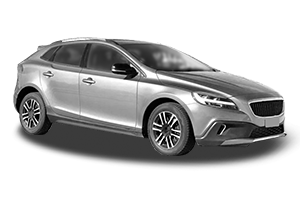
2019.08
(112)
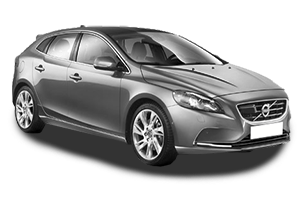
2019.08
(90)
2019.08
(112)
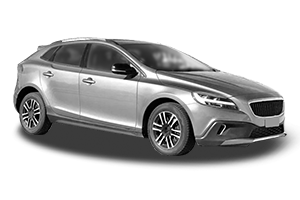
2015.12
(84)
2016.12
(84)
2016.12
(84)
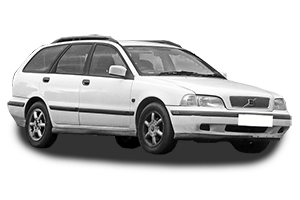
1999.08
(77)
2004.06
(80)
2016.12
(132)
2016.12
(88)
2016.12
(110)
2015.12
(147)
2016.12
(132)
1999.08
(85)
2004.06
(90)
2004.06
(90)
2004.06
(92)
2004.06
(90)
2000.07
(147)
2004.06
(85)
2004.06
(75)
2000.07
(70)
1999.08
(66)
2004.06
(127)
1999.08
(103)
2004.06
(100)
2000.07
(118)
2004.06
(121)
2004.06
(120)
2004.06
(147)
2019.08
(88)
2019.08
(110)
2019.08
(140)
2019.08
(147)
2019.08
(112)
2019.08
(140)
2019.08
(140)
2019.08
(180)
2019.08
(88)
2019.08
(110)
2019.08
(140)
2019.08
(90)
2019.08
(112)
2019.08
(180)
2019.08
(186)
2015.12
(110)
2014.12
(130)
2015.03
(110)
2014.12
(130)
2015.12
(132)
2015.12
(132)
2015.12
(157)
2015.12
(157)
2015.03
(110)
2014.12
(130)
2015.12
(132)
2015.12
(157)
2015.12
(183)
2016.12
(187)
2016.12
(187)
2015.12
(183)
2014.12
(183)
2014.12
(187)
Volvo V40 Common Problems and Maintenance Guide
Overview of the Volvo V40
The Volvo V40 is a premium compact hatchback that combines Swedish design with practicality and safety. Produced between 1995 and 2019, the V40 is known for its comfort, high-quality materials, and reliability. However, like all vehicles, it has a few common issues and requires regular maintenance to ensure long-term performance.
Common Problems in the Volvo V40
Although the Volvo V40 is generally a well-built vehicle, there are some recurring issues reported by owners. Here are some of the most common problems:
- Electrical Issues: Many V40 owners report electrical issues, particularly with the battery charging system, alternator, and sensors. These problems can lead to the car stalling or failing to start.
- Suspension Wear: The suspension system, especially the rear shock absorbers and suspension bushes, may wear out over time. This can result in a bumpy ride and reduced handling performance.
- Brake Wear: Due to the weight of the car and driving conditions, the V40's brakes may wear out faster than expected. Regular checks of the brake pads and discs are essential.
- Timing Belt Issues: The timing belt, if not replaced at the recommended interval (usually around 100,000 miles), can cause severe engine damage if it breaks. Ensure this part is replaced on schedule.
- Turbocharger Problems (for diesel models): Owners of the diesel variants often report issues with the turbocharger, including failures or loss of power, often due to clogged intake valves or worn components.
- Oil Leaks: Some V40s experience oil leaks, particularly around the valve seals and gaskets. It's important to check for oil spots on the ground or low oil levels regularly.
Maintenance Tips for the Volvo V40
Regular maintenance is essential to keep your Volvo V40 running smoothly. Here are some key maintenance tasks and intervals:
- Oil Changes: Change the engine oil and filter every 10,000 to 15,000 miles, depending on the type of oil used (synthetic or conventional). This ensures the engine runs smoothly and prevents excessive wear.
- Brake Pads and Discs: Inspect the brake pads every 12,000 miles and replace them if they are worn down to 3mm. Brake discs should also be checked for damage and corrosion.
- Timing Belt: Replace the timing belt every 80,000 to 100,000 miles, or as specified in the owner's manual. Failing to replace the timing belt on time can result in catastrophic engine damage.
- Suspension Check: Have the suspension system inspected at least once a year or if you notice any unusual noises or vibrations while driving. Worn suspension components can affect handling and comfort.
- Battery Maintenance: The V40's battery should be checked annually, especially if you live in areas with extreme weather. Look for corrosion on the terminals and ensure the battery is securely fitted.
Essential Fluids and Filters for the Volvo V40
The following fluids and filters should be checked or replaced regularly to ensure optimal performance:
- Engine Oil: Use high-quality synthetic engine oil to maintain engine performance. Recommended brands include Mobil 1, Castrol, and Volvo's own oil brand. Ensure oil is changed at regular intervals.
- Transmission Fluid: For automatic models, transmission fluid should be checked every 30,000 to 60,000 miles and replaced if necessary. Use Volvo-recommended transmission fluid for best results.
- Brake Fluid: Change the brake fluid every two years to maintain the integrity of the braking system. Use DOT4 fluid for the V40.
- Coolant: The coolant should be flushed and replaced every 3-4 years to prevent overheating and corrosion in the engine cooling system. Use a mixture of antifreeze and water in a 50/50 ratio.
- Air Filter: Replace the engine air filter every 15,000 to 30,000 miles, or more often if you drive in dusty conditions. A clean air filter improves engine efficiency and fuel economy.
- Cabin Air Filter: Replace the cabin air filter every 15,000 miles to ensure good air quality inside the cabin and maintain HVAC system performance.
Conclusion
The Volvo V40 is a reliable and practical car, but like any vehicle, it requires regular maintenance to keep it in top condition. By staying on top of common problems and following the recommended maintenance schedule, you can ensure your V40 performs well for years to come.
- Engine Oil VOLVO V40
- Car Body VOLVO V40
- Engine Parts VOLVO V40
- Tyres VOLVO V40
- Wiper Blades VOLVO V40
- Brake Discs VOLVO V40
- Brake Pads VOLVO V40
- Oil Filters VOLVO V40
- Fuel Filters VOLVO V40
- Air Filters VOLVO V40
- Suspension Parts VOLVO V40
- Stabilizer VOLVO V40
- Ignition/Glow System VOLVO V40
- Bulbs VOLVO V40
- Car Filters VOLVO V40
- Clutch VOLVO V40
- Batteries VOLVO V40
- Tuning VOLVO V40
- Engine Radiator VOLVO V40
- Exhaust System VOLVO V40
- Intake System VOLVO V40
- Intercoolers VOLVO V40
- Brake Calipers VOLVO V40
- Muffler VOLVO V40
- Shock absorbers VOLVO V40
- Flywheel VOLVO V40
- Brakes VOLVO V40