
Brakes VW UP
#WSK
Select year
(61)
2019.08
(60)
2020.08
(44)
2023.11
(48)
2019.11
(55)
2023.11
(50)
2023.11
(85)
2019.08
(66)
Volkswagen Up! (VW Up!) Common Problems, Repairs, and Maintenance
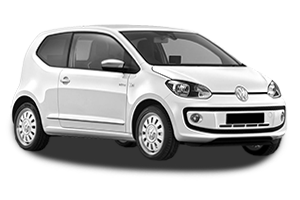
The Volkswagen Up! is a popular city car known for its compact design and efficient performance. However, like any vehicle, the VW Up! has its share of common problems and parts that may need attention over time. This guide covers the most frequent issues, maintenance requirements, and the recommended consumables for the VW Up!.
Common Problems with the Volkswagen Up!
The Volkswagen Up! is a well-built car, but it is not without its common problems. Below are some of the most frequently reported issues with this model:
1. Electrical Problems
One of the most common issues reported by Volkswagen Up! owners is electrical problems, particularly with the car’s central locking system and electrics in the door. These problems may arise due to faulty wiring or issues with the vehicle's battery. If your car's electrics are malfunctioning, it may be necessary to inspect the wiring or replace the fuse box.
2. Engine Oil Leaks
Engine oil leaks are a known issue for the Volkswagen Up!. The most common cause of this problem is a worn-out seal or gasket. If left untreated, this can lead to engine damage. Regular checks of the oil level and condition are recommended. Make sure to get any leaks addressed immediately to avoid potential engine problems.
3. Timing Chain Tensioner Issues
Some owners have reported issues with the timing chain tensioner in the VW Up!, which can lead to rattling noises from the engine. If the tensioner fails, it may cause the timing chain to loosen, leading to potential engine misfires or failure. It is crucial to address this problem early to avoid extensive engine damage.
4. Suspension Problems
Some Volkswagen Up! owners have experienced issues with the suspension system, particularly with worn-out shock absorbers or damaged suspension mounts. If you hear unusual noises when driving over bumps or if the ride quality has deteriorated, it may indicate a suspension problem that needs repair.
5. Brake Issues
Another issue that has been noted is premature wear of the brake pads and discs. This problem is typically due to aggressive driving or poor-quality aftermarket parts. Regular brake inspections and timely replacement of the brake pads and discs are essential to maintain safety.
Parts That Require Regular Replacement
To keep the Volkswagen Up! running smoothly, certain parts will need to be replaced at regular intervals. Below are the key components to monitor:
1. Timing Belt
The timing belt should be replaced every 60,000 miles (96,000 kilometers) or every five years, whichever comes first. A failing timing belt can cause serious engine damage, so it is important to replace it on time.
2. Air Filters
The engine air filter should be checked and replaced every 30,000 miles (48,000 kilometers) to ensure proper engine performance and fuel efficiency. A clogged filter can affect the engine’s air intake and reduce performance.
3. Spark Plugs
Spark plugs are essential for proper ignition and engine efficiency. It is recommended to replace the spark plugs every 40,000 to 60,000 miles (64,000 to 96,000 kilometers), depending on the type of spark plugs used.
4. Brake Pads and Discs
Brake pads should be replaced every 20,000 to 30,000 miles (32,000 to 48,000 kilometers), while brake discs may need replacing every 60,000 to 70,000 miles (96,000 to 112,000 kilometers) depending on driving conditions. Regular inspections are advised.
5. Tires
Tires should be inspected regularly for wear and replaced when the tread depth reaches 2mm or less. Typically, tires need to be replaced every 30,000 to 50,000 miles (48,000 to 80,000 kilometers), depending on the type of tire and driving habits.
Recommended Fluids and Oils
Maintaining the right fluids and oils in your Volkswagen Up! is essential for optimal performance. Below are the recommended fluids:
1. Engine Oil
For the Volkswagen Up!, the recommended engine oil is 5W-30 fully synthetic oil. It is advised to change the engine oil every 10,000 to 15,000 miles (16,000 to 24,000 kilometers), or at least once a year, whichever comes first.
2. Transmission Fluid
For the manual transmission, VW recommends using the 75W-90 gear oil. For the automatic transmission, VW Up! models with automatic transmissions typically require 75W-80 fluid. Change the transmission fluid every 40,000 to 60,000 miles (64,000 to 96,000 kilometers) depending on driving conditions.
3. Coolant
The recommended coolant for the Volkswagen Up! is a 50/50 mixture of water and G12 coolant. It should be changed every 5 years or 60,000 miles (96,000 kilometers), whichever comes first.
4. Brake Fluid
Brake fluid should be replaced every 2 years or 30,000 miles (48,000 kilometers). VW recommends using DOT 4 fluid for the Up!. Check the brake fluid regularly to ensure safe stopping performance.
Conclusion
The Volkswagen Up! is a compact and reliable car that offers great fuel efficiency and a comfortable driving experience. However, like any car, it is essential to keep up with regular maintenance and be aware of common issues. By following the recommended maintenance intervals and addressing common problems as they arise, you can ensure that your VW Up! remains in good working condition for many years to come.
- Engine Oil VW UP
- Car Body VW UP
- Engine Parts VW UP
- Tyres VW UP
- Wiper Blades VW UP
- Brake Discs VW UP
- Brake Pads VW UP
- Oil Filters VW UP
- Fuel Filters VW UP
- Air Filters VW UP
- Suspension Parts VW UP
- Stabilizer VW UP
- Ignition/Glow System VW UP
- Bulbs VW UP
- Car Filters VW UP
- Clutch VW UP
- Batteries VW UP
- Tuning VW UP
- Engine Radiator VW UP
- Exhaust System VW UP
- Intake System VW UP
- Intercoolers VW UP
- Brake Calipers VW UP
- Muffler VW UP
- Shock absorbers VW UP
- Flywheel VW UP