
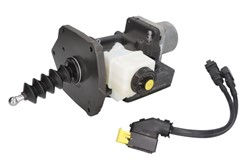
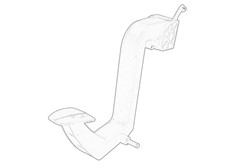
Clutch Control System
A~6511036~3825
1 163.00
969.17 £ 2 694.12 £
Lowest price in 30 days from the promotion is:
1 154.90 £

210.76
175.63 £
Lowest price in 30 days from the promotion is:
£
52.61
43.84 £ 67.44 £
Lowest price in 30 days from the promotion is:
52.61 £
Clutch Actuation System – Essential Components for Smooth Gear Shifting
The clutch actuation system is a crucial component of any vehicle's transmission system, ensuring smooth gear transitions and optimal driving performance. Whether you're dealing with a manual or automated manual transmission, the clutch actuation system plays a vital role in engaging and disengaging the clutch to facilitate gear changes.
How the Clutch Actuation System Works
The clutch actuation system consists of several key components, including the clutch master cylinder, slave cylinder, clutch cable, and hydraulic fluid lines. These elements work in unison to transfer force from the clutch pedal to the clutch assembly, allowing for seamless power transmission between the engine and gearbox.
Key Components of a Clutch Actuation System
- Clutch Master Cylinder: Converts the mechanical force from the clutch pedal into hydraulic pressure, sending it to the slave cylinder.
- Clutch Slave Cylinder: Receives hydraulic pressure from the master cylinder and moves the clutch fork to engage or disengage the clutch.
- Clutch Cable: Found in some mechanical systems