
Cooling system Manual

NISSENS
Engine radiator NIS 67188
NISSENS
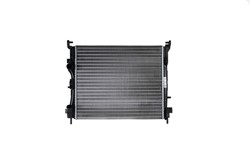
Engine radiator RENAULT CLIO II, THALIA I, THALIA II NIS 67229
NISSENS
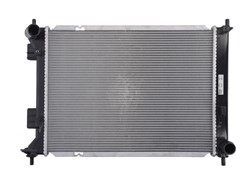
Engine radiator HYUNDAI IX20; KIA VENGA NIS 67603
NISSENS
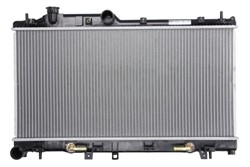
Engine radiator SUBARU FORESTER, IMPREZA, LEGACY IV, OUTBACK, XV NIS 67741
NISSENS
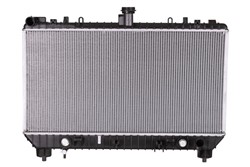
Engine radiator CHEVROLET CAMARO NIS 69097
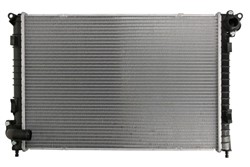
NISSENS
Engine radiator MINI (R50, R53), (R52) NIS 69700A
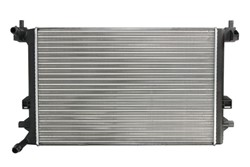
NRF
Engine radiator AUDI A3, A3 ALLSTREET, Q2, Q3, TT; CUPRA ATECA, FORMENTOR, LEON, LEON SPORTSTOURER; SEAT ATECA, LEON, LEON SC, LEON SPORTSTOURER, LEON ST, TARRACO; SKODA KAROQ, KODIAQ I NRF 50042A
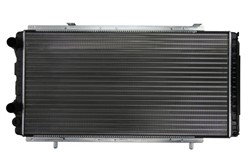
NRF
Engine radiator CITROEN JUMPER I, JUMPER II; FIAT DUCATO; PEUGEOT BOXER NRF 52062A
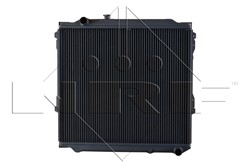
NRF
Engine radiator TOYOTA LAND CRUISER 90 NRF 52088
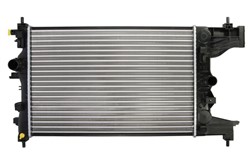
NRF
Engine radiator CHEVROLET CRUZE, ORLANDO; OPEL ASTRA J, ASTRA J GTC, ZAFIRA B, ZAFIRA C NRF 53155A
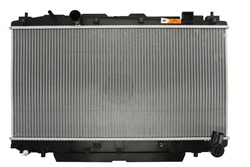
NRF
Engine radiator TOYOTA RAV 4 II NRF 53572
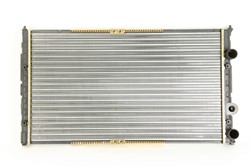
NRF
Engine radiator SEAT CORDOBA VARIO, INCA; VW CADDY II, POLO, POLO III, POLO III CLASSIC NRF 53632

NRF
Engine radiator NRF 550007
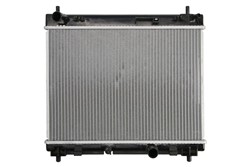
NRF
Engine radiator SUBARU TREZIA; TOYOTA URBAN CRUISER, VERSO S NRF 550044
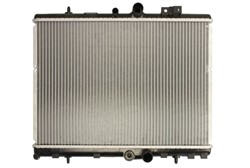
NRF
Engine radiator CITROEN C5 II NRF 550051
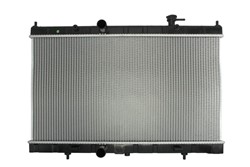
NRF
Engine radiator NISSAN X-TRAIL III NRF 550072
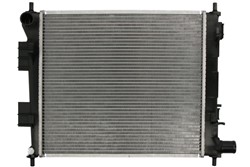
NRF
Engine radiator HYUNDAI I10 II NRF 550146

NRF
Engine radiator TOYOTA RAV 4 IV NRF 550149
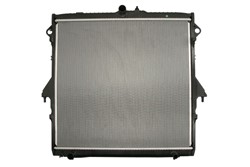
NRF
Engine radiator FORD RANGER NRF 560001
NRF
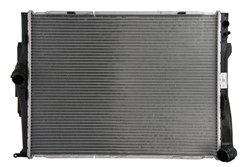
Engine radiator BMW 1 (E81), 1 (E82), 1 (E87), 1 (E88), 3 (E90), 3 (E91), 3 (E92), 3 (E93), X1 (E84), Z4 (E89) NRF 56129

NRF
Engine radiator MERCEDES E T-MODEL (S210), E (W210) NRF 56139
NRF
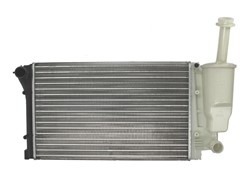
Engine radiator FIAT PANDA NRF 58170
NRF
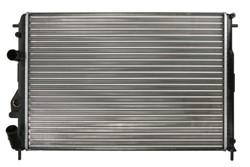
Engine radiator RENAULT MEGANE I, SCENIC I NRF 58175A
NRF
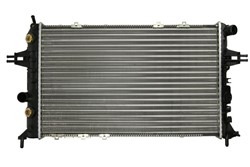
Engine radiator OPEL ASTRA G, ZAFIRA A NRF 58178A
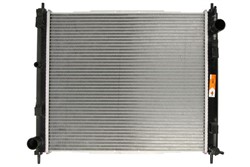
NRF
Engine radiator NISSAN CUBE, JUKE NRF 58231
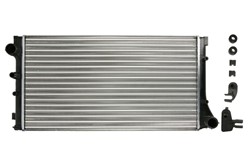
NRF
Engine radiator FIAT PANDA NRF 58237
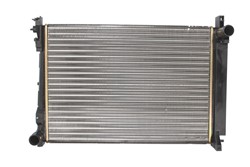
NRF
Engine radiator CHRYSLER VOYAGER IV NRF 58263A

NRF
Engine radiator OPEL COMBO, COMBO TOUR, CORSA C NRF 58282A

NRF
Engine radiator NRF 58289
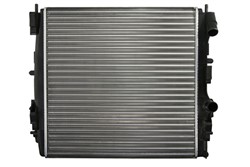
NRF
Engine radiator RENAULT KANGOO, KANGOO EXPRESS NRF 58317A
Essential Components of Your Car's Cooling System
Maintaining your vehicle's cooling system is crucial for optimal engine performance and longevity. The cooling system prevents overheating, ensuring your engine operates within the ideal temperature range. Below are the key components that make up this vital system:
1. Radiator
The radiator serves as the primary heat exchanger, dissipating heat from the engine coolant into the atmosphere. It consists of a series of tubes and fins designed to maximize surface area for efficient cooling. Regular inspection for leaks and debris is essential to maintain its functionality.
2. Water Pump
The water pump circulates coolant throughout the engine and radiator, ensuring consistent temperature regulation. Typically driven by a belt, a malfunctioning water pump can lead to engine overheating. Regular maintenance helps prevent failures.
3. Thermostat
The thermostat regulates coolant flow based on engine temperature. It remains closed during engine warm-up, allowing the engine to reach optimal operating temperature quickly. Once achieved, it opens to permit coolant circulation through the radiator.
4. Cooling Fan
Cooling fans draw air through the radiator to aid in lowering coolant temperature, especially during low-speed driving or idling. They can be mechanically driven or electric, activating as needed to maintain proper engine temperature.
5. Heater Core
The heater core functions as a secondary radiator, providing heat to the vehicle's cabin. It utilizes hot engine coolant to warm the air blown into the interior, enhancing passenger comfort during colder months.
6. Expansion Tank (Coolant Reservoir)
The expansion tank accommodates coolant expansion due to temperature fluctuations, maintaining appropriate pressure within the system. Monitoring coolant levels in the reservoir helps detect potential leaks or issues.
7. Hoses
Hoses connect various components of the cooling system, facilitating coolant flow between the engine, radiator, and heater core. Regular inspection for signs of wear, cracks, or leaks is vital to prevent coolant loss and overheating.
8. Radiator Cap
The radiator cap maintains system pressure, raising the coolant's boiling point and enhancing heat dissipation. It also allows excess coolant to flow into the expansion tank when pressure exceeds a certain threshold.
9. Temperature Sensors
Temperature sensors monitor engine and coolant temperatures, providing data to the vehicle's control systems. Accurate readings ensure proper operation of components like the thermostat and cooling fans.
Understanding these components and their functions is essential for effective vehicle maintenance. Regular inspections and timely replacements of worn parts can prevent overheating and costly engine damage. For high-quality replacement parts, visit IC24.UK, your trusted online store for automotive components.