


Track control arm 50
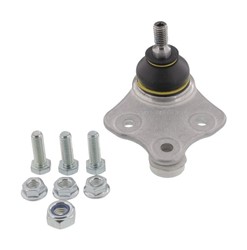
MOOG
Ball Joint ME-BJ-8111
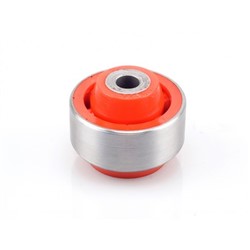
MPBS
Polyurethane front Swingarm bushing (1 pcs) Front/In the back 6501749-00/80SHA AUDI A1, A1 ALLSTREET, A3, Q3; FORD TOURNEO CONNECT V761 NADWOZIE WIELKO, TRANSIT CONNECT V761; SEAT ATECA, LEON
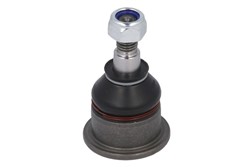
DELPHI
Ball Joint TC3648

REINHOCH
Sleeve, control arm mounting RH14-0085
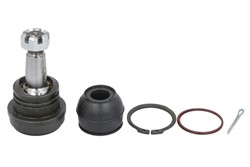
YAMATO
Ball Joint J25001YMT
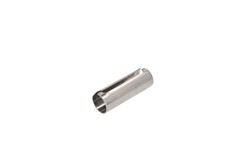
FEBI
Sleeve, control arm mounting FE03544
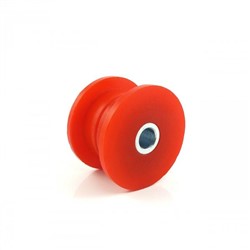
MPBS
Acentric front Swingarm bushing (frame-mounted) (1 pcs) Front/In the front 4302604-00/80SHA NISSAN PATROL GR IV, PATROL GR V
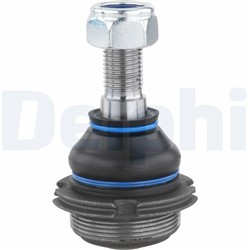
DELPHI
Ball Joint TC368
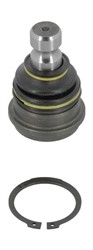
MOOG
Ball Joint HY-BJ-2629
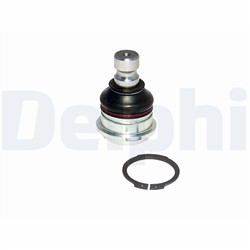
DELPHI
Ball Joint TC1559
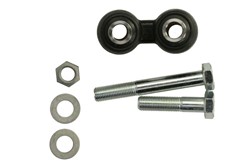
LEMFOERDER
Track control arm LMI10643
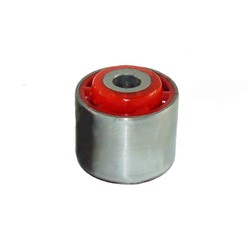
MPBS
Front Swingarm bushing (rear) (1 pcs) Front/In the back 6601349-00/80SHA VOLVO XC90 I
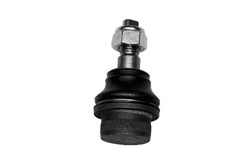
MOOG
Ball Joint CI-BJ-3057
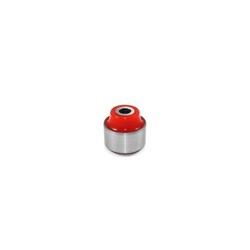
MPBS
Front Swingarm bushing (rear) (1 pcs) Front 6601249-00/80SHA VOLVO S60 I, S80 I, V70 II, XC70 I
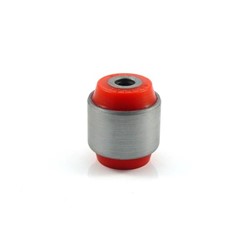
MPBS
Polyurethane bushing (1 pcs) Rear 0605835-00/80SHA AUDI A3, TT; SEAT LEON; SKODA OCTAVIA I; VW BORA I, GOLF IV
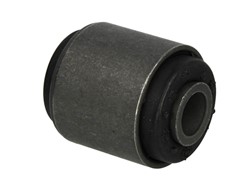
FEBI
Mounting, panhard rod FE05215
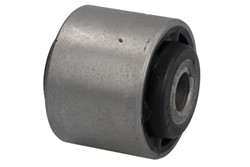
MPBS
Front Swingarm bushing (rear) (1 pcs) Front/In the back 6601349-00/CS VOLVO XC90 I
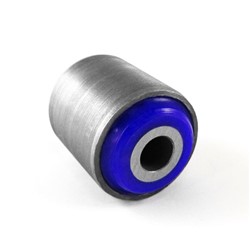
MPBS
Front lower Swingarm bushing outer (1 pcs) Front 2201110-00/90SHA HONDA CIVIC IV, CIVIC V, CIVIC VI, CRX II, CRX III, INTEGRA; MG ZS; ROVER 400 II, 45 I

TEDGUM
Sleeve, control arm mounting 00236896
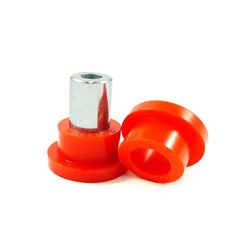
MPBS
Rear lower Swingarm bushing (outer/ inner) 31mm (1 pcs) Rear 2201258-00/80SHA HONDA CIVIC IV, CIVIC V, CIVIC VI, CRX II, CRX III; ROVER 400 II, 45 I
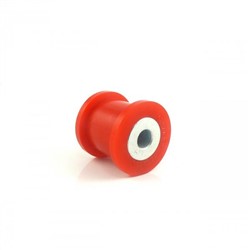
MPBS
Front/rear Panhard bushing (for body) 14mm (1 pcs) Front/Rear 43026100-00/80SHA NISSAN PATROL GR IV, PATROL GR V
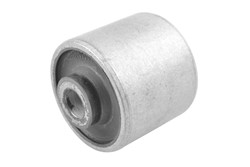
TEDGUM
Mounting, control/trailing arm 00021406
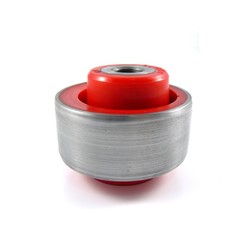
MPBS
Front Swingarm bushing (rear) (1 pcs) Front 5601349-00/80SHA SKODA OCTAVIA II, SUPERB II, YETI; VW BEETLE, CADDY ALLTRACK IV, CADDY III, CADDY IV, JETTA IV

MPBS
Polyurethane bushing Rear 4501935X-00/90SHA

CTR
Mounting, control/trailing arm CTRCB0084
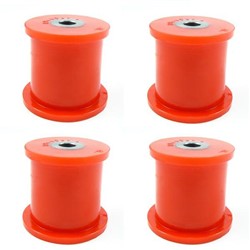
MPBS
Front upper Swingarm bushing (4 pcs) Front 2900708-00/80SHA JEEP GRAND CHEROKEE II

TEDGUM
Mounting, panhard rod 00678944
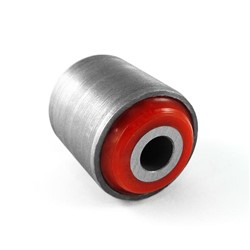
MPBS
Front lower Swingarm bushing outer (1 pcs) Front 2201110-00/80SHA HONDA CIVIC IV, CIVIC V, CIVIC VI, CRX II, CRX III, INTEGRA; MG ZS; ROVER 400 II, 45 I
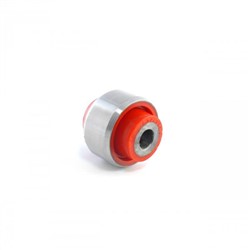
MPBS
Front Swingarm bushing (1 pcs) Front/In the front 5102248-00/80SHA NISSAN PRIMASTAR; OPEL ANTARA A, CALIBRA A, CAMPO, FRONTERA A, FRONTERA A SPORT, FRONTERA B, INSIGNIA A, MONTEREY A, MONTEREY B
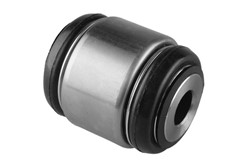
TEDGUM
Mounting, control/trailing arm 00193234
Control Arms
The design of a control arm in a car is quite simple. It is a rigid component that moves rotationally around a fixed axis. Each cycle ends with a return to the starting position, and this return can either be active or idle.
The type of control arm factory-fitted to a vehicle directly influences the way it functions and its overall performance. Nowadays, you can find models with transverse and oblique control arms, or both transverse and longitudinal. These configurations help designers eliminate wheel camber and variation in the track width.
At Inter Cars, we offer only carefully selected, high-quality control arms from the best brands. Both aftermarket and OEM parts form a comprehensive product range. See for yourself!
What is the function of control arms in a car?
The design of the control arm is straightforward, yet it serves an important role. Without a properly functioning control arm made from durable materials, a vehicle wouldn’t operate correctly. The control arm plays a crucial role in the vehicle's suspension system, connecting the wheels to the car’s body. As a result, control arms help maintain the proper steering alignment, not only in a straight line but also during turns. Alongside the control arms, bushes are also vital, as they form the direct connection between the body and the suspension system. Made from a combination of metal and rubber, they help transfer vibrations.
The control arms offered by Inter Cars are made from the highest quality metals and their alloys. This is crucial for their long-term durability, as they are subject to the stresses from road imperfections and damage.
Regardless of the type of suspension or the materials used in its construction, control arms are typically made from a combination of steel, aluminium, and cast iron. They are also available as pressed profiles. The sheet metal used is of construction-grade quality, offering enhanced strength properties.
What types of control arms are available?
Control arms installed in cars can vary, and in many cases, sets containing two types of control arms are used. The classic model is a rigid transverse control arm. This type allows the vehicle to rotate simultaneously around both a parallel and a longitudinal axis. When installing such control arms, it is common to choose two arms forming either a trapezoidal or parallel arrangement – consisting of two identical arms or one longer arm.
Longitudinal control arms, on the other hand, are responsible for rotation around an axis perpendicular to the vehicle’s symmetry plane. They are used for the steering wheels. Oblique control arms are typically installed at non-steering wheels. They rotate around both the longitudinal axis and the vehicle's transverse symmetry axis.
How is a control arm installed?
Control arms in cars require periodic replacement. Most drivers choose to take their car to a mechanic, but you may prefer to do it yourself.
Transverse, oblique, and longitudinal control arms are located behind the wheel. To replace them, the car must be lifted, the wheels removed, and the control arm’s pin bolts unscrewed. A rubber mallet can help at this stage, especially if the pin is tightly seized.
The next step is installing the new control arm. It is attached to the vehicle's body using metal-rubber bushes, and to the wheel hub using the control arm pin. After this, reattach the bolt and wheel. Remember, once the mounting is removed, it’s important to check the condition of the pins, as they may also need to be replaced.
When should you replace a suspension control arm?
The control arm is a crucial component for the proper functioning of the suspension. Therefore, when signs of wear or damage occur, it’s essential to replace it. Signs of deteriorating control arms include reduced response during steering, issues and jerking when starting, and difficulty maintaining a straight path. Sometimes, you may also hear knocking sounds when driving on rough roads.
The control arms available in our shop are tailored to various car types. While some drivers previously attempted to refurbish control arms, today replacing them with new ones is a much better option. The products in our store include both OE/OEM parts and high-quality aftermarket replacements.
Control Arms – Wide Selection and High Quality
The suspension control arm is a key component that ensures a comfortable and safe driving experience. Its quality directly impacts the performance of the entire suspension system. In our offering, you’ll find a catalogue with almost 5,000 different control arm models. Thanks to our convenient search tool and detailed descriptions, you can easily find the right part for your car.
All parts offered by us are manufactured with the utmost care and using the finest materials. Use our easy-to-filter search options to compare prices for control arms that are compatible with your car model.
FAQ Section
What role do control arms play in a car?
Control arms connect the wheels to the car’s body, maintaining proper steering alignment during turns and ensuring vehicle stability.
What types of control arms are there?
Cars typically have transverse, oblique, or both transverse and longitudinal control arms. Some vehicles have single control arms, while others feature more advanced and expensive multi-link suspension systems.
When should you replace suspension control arms?
Control arms should be replaced when signs of wear or damage appear, such as poor steering response, issues when starting, difficulty maintaining a straight path, and knocking noises when driving on uneven surfaces. For replacement, it's best to choose high-quality brand-name replacements.