
Cheap Cars That Look Expensive: 3 Used Luxury Cars With Serious Presence
Want a car with serious road presence without paying a modern luxury-car price? These three used models still look expensive, but each comes with a different level of risk. Here is what to inspect before you buy.
Cheap Cars That Look Expensive: 3 Used Luxury Cars With Serious Presence
Already Own One? Find Parts That Fit Your Car
Older luxury cars often use model-specific components. Brakes, suspension parts, filters, batteries and service items can vary between engines, production years and equipment versions.
Use Select Your Vehicle to filter compatible parts by make, model, engine and production year. For a more accurate match, use your VIN or ask the IC24 AI Assistant to help identify the right parts.
Why Do Some Cheap Used Cars Still Look Expensive?
Depreciation can be brutal. A car that once represented the top of a manufacturer’s range may eventually cost less to buy than a far more ordinary modern hatchback. The badge remains. The size remains. The leather, wood trim, imposing bodywork and effortless road presence remain. The original list price does not.
This creates an interesting corner of the used-car market: older premium cars that still look expensive, even when their purchase prices have fallen dramatically. They attract attention because they offer something that many newer budget cars cannot replicate — a sense of occasion.
However, there is a catch. Depreciation reduces the price of the car, but it does not turn premium engineering into economy-car engineering. A large luxury vehicle may still need large brakes, expensive tyres, sophisticated suspension components and careful servicing.
The rule that matters: an older luxury car may be cheap to buy, but it is still a luxury car when the invoice arrives. Buy on condition and service history, not on badge alone.
What Should You Check Before Buying a Used Luxury Car?
The more complex the vehicle, the more important a proper inspection becomes. A bargain price can stop looking attractive very quickly if the car needs major repairs immediately after purchase.
Never rely solely on photographs, a short test drive or the seller’s confidence. Verify the paperwork, review the history and arrange an independent inspection where possible.
Vehicle History
Check the MOT history, recorded mileage, past failures and advisories. Compare the vehicle details against DVLA records and review the V5C log book carefully.
Mechanical Condition
Inspect the engine, transmission, suspension, brakes, steering and cooling system. Listen for noises, check for fluid leaks and test the car from cold where possible.
Bodywork and Paint
Look for uneven panel gaps, mismatched paint, corrosion, overspray and accident-repair traces. A paint-depth gauge can reveal previous bodywork repairs.
Electrical Equipment
Test everything. Climate control, heated seats, electric seat adjustment, parking sensors, cameras, windows, mirrors, infotainment and warning lights can become expensive faults.
Tyres and Brakes
Large premium cars can consume tyres and braking components quickly. Check tread depth, age, brand consistency and disc condition before agreeing a price.
Emissions-Zone Compliance
Older vehicles may face restrictions or daily charges in clean-air zones. Check the registration number using the relevant official vehicle checker before buying.
Use the Official UK Checks
- Check the vehicle details held by the DVLA, including registration date, fuel type, engine size, tax status and emissions information.
- Review the MOT history, including recorded mileage, previous failures and advisory items.
- Check whether the vehicle has an outstanding safety recall.
- Confirm that the V5C log book matches the vehicle and the information supplied by the seller.
- Check emissions-zone compliance before assuming that an older petrol or diesel vehicle can enter your local area without a charge.
A paid vehicle-history report can also be useful when checking for outstanding finance, insurance write-off history, theft markers or other issues that may not be obvious during a viewing.
The Purchase Price Is Only the Beginning
The most dangerous mistake is treating an older prestige car like a normal inexpensive used car. A low purchase price does not mean low running costs.
Before buying, estimate the cost of fuel, insurance, vehicle tax, tyres, brakes, servicing and likely repairs. Then set aside a maintenance reserve. If the numbers only work when nothing goes wrong, the car is probably not the right purchase.
| Cost area | Why it matters | What to check before buying |
|---|---|---|
| Fuel | Large petrol engines and heavy SUVs can consume substantially more fuel than ordinary family cars. | Estimate your annual mileage and calculate a realistic monthly fuel budget. |
| Insurance | Engine size, repair cost, vehicle value and driver profile can all affect the premium. | Obtain an insurance quote before paying a deposit. |
| Tyres | Premium cars often use larger tyres with higher performance ratings. | Inspect all four tyres and price a complete replacement set. |
| Brakes | Heavy, powerful vehicles need appropriately sized discs and pads. | Check disc wear, corrosion, vibration and service history. |
| Suspension | Air suspension and complex chassis systems can deliver excellent comfort but increase repair costs. | Check ride height, warning lights, noises and behaviour after the car has been parked. |
| Electronics | Luxury cars contain more equipment, sensors and comfort features. | Test every switch, screen, seat motor, sensor and climate-control function. |
Three Affordable Used Cars That Look Far More Expensive Than They Are
The following three cars represent different versions of the same idea. One is a discreet Japanese luxury saloon. One is an imposing full-size German SUV. One is an unmistakable British grand tourer.
None of them should be bought carelessly. All three can still deliver serious presence, but each comes with a very different level of financial exposure.
1. Lexus LS 430: Quiet Luxury Without the Theatre
The Lexus LS 430 is the understated choice. It does not shout for attention, and that is precisely the point. Its clean saloon proportions, large body and restrained detailing still communicate a level of seriousness that many newer cars struggle to match.
Under the bonnet sits a 4.3-litre V8. The LS 430 was developed as a flagship luxury car, with refinement, cabin space and quietness at the centre of its character. Depending on the version and model year, buyers may find features such as air suspension, electrically adjustable seats, climate control and a substantial list of comfort equipment.
The Lexus is not the loudest car in this list. It does not rely on an oversized grille or an exotic badge. Instead, it delivers something more mature: discreet road presence and the feeling of an old-school executive saloon built for long journeys.
Why It Appeals
- Elegant, restrained flagship styling
- Smooth 4.3-litre V8 character
- Comfortable long-distance driving
- Premium cabin without excessive flashiness
- More discreet than the German alternatives
What to Inspect
- Service history and evidence of regular maintenance
- Suspension condition, especially on air-suspension cars
- Electrical equipment and climate control
- Corrosion, bodywork repairs and alloy-wheel condition
- Timing-belt replacement history where applicable
Best suited to: the buyer who wants a proper luxury car without attracting too much attention. The LS 430 is the rational member of an irrational category.
2. Mercedes-Benz GL-Class: Maximum Presence Per Pound
The first-generation Mercedes-Benz GL-Class, also known by its X164 model code, is the heavyweight of this list. At more than five metres long and almost two metres wide, it still looks substantial by modern standards.
This is not subtle luxury. The GL-Class was designed to offer space, comfort and road presence in equal measure. Its high seating position, large body, seven-seat capability and Mercedes-Benz badge create an imposing package that can look considerably more expensive than its current used-car value suggests.
Different engine versions were offered over the model’s life, including diesel and petrol options. For UK buyers, the sensible route is not automatically the largest or most powerful engine. Condition, service history, emissions-zone compatibility and the cost of maintaining the exact version matter far more.
Why It Appeals
- Huge physical presence
- Seven-seat practicality
- Comfortable long-distance character
- Premium SUV styling
- Strong value compared with newer luxury SUVs
What to Inspect
- Air-suspension operation and ride height
- Diesel-system condition on diesel versions
- Automatic gearbox behaviour
- Tyres, brakes and suspension wear
- Electrical systems, cameras, sensors and climate control
- ULEZ or local clean-air-zone compliance
Best suited to: the buyer who genuinely needs the space and understands the running costs. The GL-Class makes an entrance, but it also expects a serious maintenance budget.
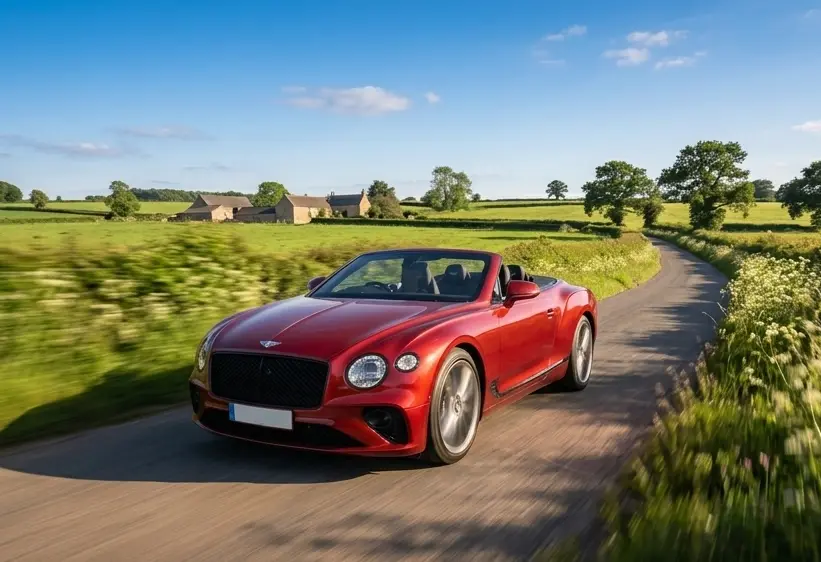
3. Bentley Continental GT: The Dangerous Temptation
The first-generation Bentley Continental GT is the most dramatic option here. It is also the one that demands the greatest discipline from the buyer.
Introduced in the early 2000s, the Continental GT combined traditional Bentley luxury with a far more modern grand-touring formula. Its wide stance, long bonnet, distinctive grille and muscular proportions still look expensive today. Unlike many older premium cars, it has never lost its ability to turn heads.
The original GT used a 6.0-litre twin-turbocharged W12 engine and permanent four-wheel drive. Later derivatives increased performance further. Even the earlier cars remain genuinely fast, heavy and mechanically complex.
This is where restraint matters. A Continental GT can appear surprisingly attainable on the used market, but the cost of maintaining one properly is not comparable with the cost of maintaining an ordinary coupé. The purchase price is merely the entry ticket.
Why It Appeals
- Unmistakable Bentley presence
- 6.0-litre twin-turbocharged W12 engine
- Grand-touring comfort and performance
- Distinctive luxury interior
- A design that still looks expensive
What to Inspect
- Comprehensive specialist service history
- Suspension condition and warning lights
- Cooling system, brakes and tyres
- Electrical systems and comfort equipment
- Transmission behaviour and drivetrain noises
- Evidence of deferred maintenance
Best suited to: the buyer who wants genuine exotic-car presence and already understands the financial exposure. Never buy the cheapest Continental GT available simply because the badge is within reach.
Which of These Used Luxury Cars Makes the Most Sense?
That depends on your priorities. These cars may appear in the same article, but they are not equivalent purchases.
| Model | Best quality | Main concern | Best for |
|---|---|---|---|
| Lexus LS 430 | Discreet comfort and mature flagship character | Age-related issues and the need to find a genuinely cared-for car | Buyers seeking understated luxury |
| Mercedes-Benz GL-Class | Size, practicality and imposing SUV road presence | Heavy running costs, complex suspension and emissions-zone checks | Buyers who need space and seven-seat flexibility |
| Bentley Continental GT | Authentic exotic-car presence and grand-touring performance | Specialist maintenance and potentially substantial repair bills | Buyers with a serious maintenance reserve |
For most buyers, the Lexus LS 430 is the sensible starting point. It offers the old-school luxury-car experience without pretending to be something it is not.
The Mercedes-Benz GL-Class is the choice for buyers who want visual impact and genuine practicality. The Bentley Continental GT is the emotional decision: captivating, memorable and potentially expensive enough to punish careless optimism.
What Should You Service Immediately After Buying?
Even when a used car comes with a reassuring history, it is sensible to establish a fresh maintenance baseline. This is particularly important when buying an older luxury vehicle.
- Engine oil and filter: confirm the correct specification for the exact engine and replace them if the recent history is unclear.
- Air and cabin filters: inexpensive items that can improve engine breathing and cabin comfort.
- Brake inspection: check pads, discs, hoses and brake fluid condition.
- Tyres: inspect tread depth, sidewalls, age and matching specifications across each axle.
- Battery: test its condition, especially on cars with numerous electrical systems.
- Cooling system: inspect the coolant condition, hoses, radiator and any visible leaks.
- Suspension: listen for noises and inspect bushes, links, dampers and air-suspension components where fitted.
- Diagnostic scan: check for stored errors rather than relying solely on dashboard warning lights.
Do not spend the entire budget on the purchase price. Keep a realistic reserve for immediate servicing and unexpected faults. A cheaper example with poor history can become the most expensive car in the listings.
How to Find the Right Parts for an Older Luxury Car
Compatibility matters. Premium vehicles often have multiple engine, suspension, braking and equipment variants. Two visually identical cars may require different parts.
1. Select Your Vehicle
Use the IC24 vehicle selector to enter your make, model, engine and production year. This helps narrow the catalogue to compatible parts.
2. Use Your VIN for More Accurate Identification
The VIN is the 17-character vehicle identification number. It can help confirm the exact vehicle configuration when several versions use different components.
3. Ask the IC24 AI Assistant
If you are unsure which component or service item you need, use the AI Assistant to help identify the relevant category and suitable parts for your vehicle.
Need Parts for Your Car?
Select your vehicle, use your VIN when confirming fitment or ask the IC24 AI Assistant to help find compatible filters, brakes, suspension components, batteries and service items.
Cheap Cars That Look Expensive: Final Verdict
A used luxury car can offer presence, comfort and character that would be difficult to find in a newer budget vehicle. The Lexus LS 430, first-generation Mercedes-Benz GL-Class and first-generation Bentley Continental GT prove that depreciation can place impressive cars within reach of a much wider group of buyers.
But the badge is only the beginning. The right car is not the cheapest example. It is the one with the strongest history, the best condition and the clearest evidence of responsible ownership.
Buy carefully, inspect thoroughly and budget intelligently. The goal is to own a car that looks expensive — not to discover why it once was.
FAQ: Cheap Cars That Look Expensive
Which affordable used cars look more expensive than they are?
The Lexus LS 430, first-generation Mercedes-Benz GL-Class and first-generation Bentley Continental GT are three strong examples. They offer very different levels of luxury, presence and running costs.
Are old luxury cars cheap to maintain?
Usually not. Depreciation can reduce the purchase price significantly, but premium cars still require suitable tyres, brakes, fluids, suspension components and specialist attention where necessary.
What should I check before buying a used luxury car?
Check the MOT history, mileage records, V5C log book, DVLA details, service history, recall status, bodywork, tyres, brakes, suspension, electrical equipment and emissions-zone compliance. Arrange an independent inspection where possible.
Should I buy the cheapest example available?
No. The cheapest car may have deferred maintenance, hidden faults or a weak service history. A more expensive but properly maintained vehicle can be the better-value purchase.
Is the Lexus LS 430 a good used luxury car?
The LS 430 can be an appealing choice for buyers seeking understated flagship comfort and a smooth V8 driving experience. Condition, history and maintenance remain essential.
Is a used Mercedes-Benz GL-Class expensive to run?
It can be. The GL-Class is a large, heavy luxury SUV with substantial tyres, brakes and complex equipment. Inspect the exact vehicle carefully and calculate the likely running costs before buying.
Is an older Bentley Continental GT cheap to own?
No. It may appear surprisingly affordable to buy compared with its original positioning, but it remains a complex high-performance luxury car. A specialist inspection and a meaningful maintenance reserve are essential.
Do I need to check ULEZ compliance before buying an older car?
Yes. Do not assume compliance based only on age, fuel type or engine size. Use the official vehicle checker for the registration number before buying.
How can I find compatible parts for my car on IC24?
Use Select Your Vehicle, confirm the exact configuration using your VIN where necessary, or ask the IC24 AI Assistant for help identifying suitable parts.