
Brakes FORD PUMA
#WSK
Select year

(124)
(118)
(125)
(92)
(70)
(114)
(92)
(92)
2000.10
(66)
(147)
(88)
2002.06
(76)
2002.06
(92)
2002.06
(114)
Ford Puma – When Style Meets Agility
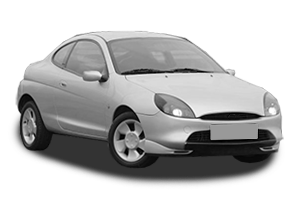
Sporty, Smart, and Efficient. The Ford Puma is a modern compact crossover designed to bring together sporty character, practicality, and advanced technology. Originally introduced in the late 1990s as a stylish coupe, the Puma returned in 2019 in a bold new form, now reimagined as a dynamic SUV for today’s drivers.
Key Advantages of the Ford Puma:
- Sporty Design: Distinctive coupe-inspired lines and bold styling make the Puma stand out on the road.
- Agile Performance: Responsive steering and efficient EcoBoost engines deliver a fun and economical driving experience.
- Smart Interior: Clever use of space, including the innovative “MegaBox” storage system, ensures both flexibility and practicality.
- Technology & Safety: Advanced driver-assist systems, digital displays, and seamless connectivity enhance both safety and comfort.
Popular Upgrades & Maintenance:
- Performance: ECU tuning and upgraded exhausts for sharper response and a sportier sound.
- Aesthetics: Custom alloy wheels, LED lighting, and body styling kits for a personalized look.
- Comfort & Convenience: Interior upgrades like premium seat covers or multimedia enhancements.
- Maintenance Essentials: Regular oil changes, brake inspections, and tire rotations help maintain peak reliability.
1. Common Problems with the Ford Puma
While the Ford Puma is generally reliable, owners should be aware of some recurring issues, especially in older models. Below are the most common problems reported by owners:
1. Engine Problems
Some Ford Puma models, especially those with higher mileage, may experience engine issues. The most common symptoms are rough idling, poor acceleration, or stalling. These problems could stem from the following:
- Throttle Body Failure: The throttle body can accumulate carbon deposits over time, leading to poor engine performance.
- Ignition Coil Failure: Faulty ignition coils can cause misfires and rough running.
- Timing Chain Tensioner Issues: This issue can lead to a rattling noise from the engine, particularly when idling or under load.
1.2 Suspension Wear
Owners have reported issues with the suspension, particularly the front struts and rear shock absorbers. These components can wear out, especially if the vehicle is used on rough terrain or has high mileage. Symptoms include poor handling, unusual noises when going over bumps, and uneven tire wear.
1.3 Electrical Issues
Electrical problems are common in older Ford Puma models. These issues include:
- Battery Drain: Some owners experience frequent battery drainage, often caused by malfunctioning alternators or electrical systems.
- Faulty Wiring: Aged wiring can cause various electrical faults, including issues with the lights, windows, and dashboard instruments.
1.4 Clutch and Transmission Issues
The Ford Puma's clutch system can be prone to wear, especially in models with high mileage. Symptoms of clutch failure include slipping, a stiff pedal, or difficulty shifting gears. The transmission may also suffer from poor gear engagement or grinding noises.
1.5 Brake Problems
While generally reliable, the brakes on the Ford Puma may experience wear and tear over time, especially in urban driving conditions. Common problems include:
- Worn Brake Pads and Discs: Regular inspection and replacement of brake pads and discs are necessary to maintain braking performance.
- Brake Fluid Leaks: Leaks in the brake lines or master cylinder can cause a loss of brake fluid, leading to decreased braking efficiency.
2. Recommended Maintenance and Repair Intervals
To keep your Ford Puma running smoothly, regular maintenance and timely repairs are crucial. Below are the key maintenance tasks and their recommended intervals:
2.1 Oil and Fluid Changes
Regular oil and fluid changes are essential for engine health. Ford recommends changing the oil every 12,000 miles or once a year, whichever comes first. Ensure that you use the correct oil type for your engine to avoid any damage.
2.2 Timing Belt and Chain
The timing belt should be replaced every 60,000 to 100,000 miles, depending on the specific engine model. If your Ford Puma is equipped with a timing chain, it generally requires less maintenance but should be inspected for wear at around 100,000 miles.
2.3 Brake System Maintenance
Brake pads should be inspected at least every 10,000 miles, with replacement every 20,000 to 30,000 miles depending on usage. Brake fluid should be replaced every 2 years to ensure proper braking performance.
2.4 Suspension and Steering Components
It's important to check the suspension system every 20,000 miles. This includes inspecting the struts, shock absorbers, and steering components for wear. If you notice any unusual noises or handling issues, these parts should be replaced promptly.
2.5 Battery and Electrical System
The battery should be checked annually for corrosion and overall health. In cases of electrical faults, have the system thoroughly checked by a professional to avoid future issues. Wiring and alternator should be inspected every 50,000 miles for potential wear.
3. Fluids and Consumables
Maintaining the correct fluids and consumables is essential to keep your Ford Puma in optimal condition. Below are the most important fluids to monitor:
3.1 Engine Oil
As mentioned, use the correct type of engine oil for your Ford Puma's engine. Typically, 5W-30 or 10W-40 oil is recommended for most models. Ensure oil is changed every 12,000 miles or annually to avoid engine wear.
3.2 Brake Fluid
Use only the recommended brake fluid, typically DOT4, and replace it every 2 years to maintain braking efficiency.
3.3 Coolant
The coolant should be changed every 5 years or 100,000 miles to prevent engine overheating and corrosion within the cooling system.
3.4 Power Steering Fluid
Check the power steering fluid regularly and top it up as needed. It should be replaced every 50,000 miles to ensure smooth steering performance.
3.5 Transmission Fluid
If your Ford Puma has a manual transmission, it’s recommended to check the fluid level every 30,000 miles. For automatic transmission, fluid should be replaced every 60,000 to 100,000 miles to avoid transmission issues.
- Engine Oil FORD PUMA
- Car Body FORD PUMA
- Engine Parts FORD PUMA
- Tyres FORD PUMA
- Wiper Blades FORD PUMA
- Brake Discs FORD PUMA
- Brake Pads FORD PUMA
- Oil Filters FORD PUMA
- Fuel Filters FORD PUMA
- Air Filters FORD PUMA
- Suspension Parts FORD PUMA
- Stabilizer FORD PUMA
- Ignition/Glow System FORD PUMA
- Bulbs FORD PUMA
- Car Filters FORD PUMA
- Clutch FORD PUMA
- Batteries FORD PUMA
- Tuning FORD PUMA
- Engine Radiator FORD PUMA
- Exhaust System FORD PUMA
- Intake System FORD PUMA
- Intercoolers FORD PUMA
- Brake Calipers FORD PUMA
- Muffler FORD PUMA
- Shock absorbers FORD PUMA
- Flywheel FORD PUMA