
Brakes HYUNDAI TUCSON
#WSK
Select year

2020.09
(97)
2023.05
(130)
2020.09
(130)

2020.12
(130)

(100)
(85)
(100)
(100)
(100)
(118)
(132)
(110)
(110)
(132)
(169)
(176)
(158)
(132)
(110)
(118)
(118)
(132)
(176)
(158)
(169)
(185)
(212)
(185)
(212)
(195)
2020.12
(100)
2020.09
(85)
2020.12
(100)
2020.09
(85)
2020.12
(85)
2020.12
(100)
2020.12
(100)
2020.12
(100)
2020.12
(85)
2020.09
(85)
2020.09
(104)
2010.12
(104)
2012.01
(105)
2010.11
(105)
2010.03
(104)
2010.03
(104)
2010.03
(104)

2010.03
(104)
2010.03
(103)
2010.03
(110)
2010.03
(100)
2010.03
(83)
2010.03
(88)
2010.03
(83)
2010.03
(88)
2010.03
(100)
2010.03
(110)
2010.03
(103)
2010.03
(103)
2010.03
(110)
2020.09
(100)
2020.09
(136)
2020.09
(136)
2020.09
(100)
2020.12
(136)
(137)
(115)
(110)
(110)
2020.09
(114)
2020.09
(114)
2020.09
(110)
2020.09
(122)
2020.09
(135)
(140)
2009.12
(129)
2010.11
(129)
Hyundai Tucson: Common Problems and Maintenance Guide
Overview of the Hyundai Tucson
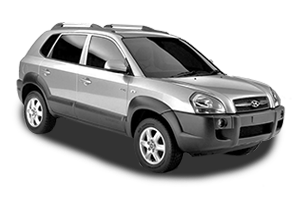
The Hyundai Tucson is a popular compact crossover SUV that has been in production since 2004. Known for its modern features, comfortable ride, and competitive pricing, the Tucson appeals to a wide range of drivers. Available in various trims and with both gasoline and hybrid options, the Tucson has seen several updates over its lifespan, improving in areas such as technology, safety, and efficiency.
Common Problems with the Hyundai Tucson
While the Hyundai Tucson is a generally reliable vehicle, it’s important to be aware of some common issues that might arise as it ages. Below are the most frequently reported problems with the Tucson:
1. Transmission Issues
One of the most commonly reported problems with the Hyundai Tucson is transmission failure, particularly in the earlier models (2005-2010). Owners have reported rough shifting, hesitation, and a delay in acceleration. The problem is often attributed to the faulty transmission fluid pump or valve body. In some cases, a full transmission replacement may be required.
2. Suspension Noise
Many Tucson owners have experienced noise coming from the suspension, particularly when driving over bumps or rough roads. This is commonly caused by worn-out suspension components like bushings, control arms, or struts. Regular inspection and maintenance can help prevent this issue from becoming severe.
3. Electrical Issues
Electrical problems are another common issue in the Hyundai Tucson. Some owners have experienced problems with the car's electrical system, including malfunctioning lights, faulty sensors, or issues with the power windows and door locks. It’s often caused by electrical connections or faulty components such as alternators or relays.
4. Oil Leaks
Oil leaks are a relatively common issue, especially in older Tucson models. Leaking oil seals, particularly around the valve cover or oil pan, can cause a significant loss of oil. Regular checks and timely seal replacements are crucial to avoid engine damage.
5. Engine Stalling or Misfires
Some Hyundai Tucson models, especially those from the 2010-2014 range, have been reported to suffer from engine stalling or misfires. This can be due to issues with the fuel injectors, ignition coils, or the engine control module (ECM). A proper diagnostic check is required to identify and address the root cause.
Maintenance and Regular Repairs
To ensure the longevity and reliability of your Hyundai Tucson, regular maintenance and attention to key components are essential. Here are some important areas of focus:
1. Oil Changes
Regular oil changes are critical to the health of your engine. Hyundai recommends changing the oil every 7,500 miles or 12 months, whichever comes first. However, some drivers prefer changing the oil every 5,000 miles for better engine health, especially if the vehicle is driven in harsh conditions.
2. Brake System
Brakes should be inspected at least once a year or every 12,000 miles. Brake pads typically need to be replaced every 30,000 to 70,000 miles, depending on driving habits. It’s important to ensure the brake fluid is topped up and that the rotors are not excessively worn.
3. Timing Belt/Chain
For older Tucson models, the timing belt needs to be replaced at around 60,000 to 100,000 miles. However, newer models may come with a timing chain, which usually does not require replacement unless there is an issue. Always consult the owner’s manual for specifics regarding your vehicle's engine configuration.
4. Tires
Regularly check tire pressure and tread depth. Tires should be rotated every 6,000 to 8,000 miles to ensure even wear. If the tread depth is below the minimum safe level (2/32 inch), they should be replaced immediately. Alignments should also be done as needed to prevent premature tire wear.
Essential Fluids and Filters
1. Engine Oil
Hyundai recommends using 5W-20 or 5W-30 full synthetic motor oil for most Tucson models. It’s important to check the oil level regularly and top it off if necessary to avoid engine wear.
2. Transmission Fluid
For automatic transmissions, Hyundai typically suggests checking and replacing the transmission fluid every 60,000 to 100,000 miles, depending on your driving conditions and model year.
3. Air Filter
Replace the engine air filter every 12,000 to 15,000 miles or when dirty. A clogged air filter can reduce engine performance and fuel efficiency.
4. Cabin Air Filter
The cabin air filter should be replaced every 15,000 to 30,000 miles, depending on driving conditions, to maintain a clean cabin environment and prevent odors.
5. Coolant/Antifreeze
Coolant should be replaced every 30,000 miles, or every two years, whichever comes first. Ensure the coolant level is topped up regularly to prevent overheating.
Conclusion
The Hyundai Tucson is a reliable and well-regarded vehicle, but like any car, it requires regular maintenance to stay in good shape. Being aware of common issues and sticking to a regular maintenance schedule will ensure that your Tucson continues to serve you well for many years.
- Engine Oil HYUNDAI TUCSON
- Car Body HYUNDAI TUCSON
- Engine Parts HYUNDAI TUCSON
- Tyres HYUNDAI TUCSON
- Wiper Blades HYUNDAI TUCSON
- Brake Discs HYUNDAI TUCSON
- Brake Pads HYUNDAI TUCSON
- Oil Filters HYUNDAI TUCSON
- Fuel Filters HYUNDAI TUCSON
- Air Filters HYUNDAI TUCSON
- Suspension Parts HYUNDAI TUCSON
- Stabilizer HYUNDAI TUCSON
- Ignition/Glow System HYUNDAI TUCSON
- Bulbs HYUNDAI TUCSON
- Car Filters HYUNDAI TUCSON
- Clutch HYUNDAI TUCSON
- Batteries HYUNDAI TUCSON
- Tuning HYUNDAI TUCSON
- Engine Radiator HYUNDAI TUCSON
- Exhaust System HYUNDAI TUCSON
- Intake System HYUNDAI TUCSON
- Intercoolers HYUNDAI TUCSON
- Brake Calipers HYUNDAI TUCSON
- Muffler HYUNDAI TUCSON
- Shock absorbers HYUNDAI TUCSON
- Flywheel HYUNDAI TUCSON