
Brakes NISSAN NOTE
#WSK
Select year
(58)
2016.12
(59)
(72)
2016.12
(65)
2016.12
(56)

2013.08
(65)
2013.08
(65)
2012.06
(66)
2012.06
(50)
2012.06
(63)
2012.06
(76)
2016.12
(66)

2012.09
(63)
2010.12
(80)
2012.06
(81)
Nissan Note: Common Issues and Maintenance Guide
Introduction to Nissan Note
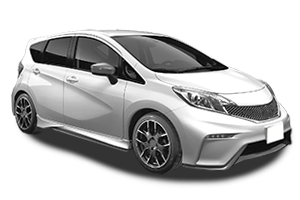
The Nissan Note is a compact car first introduced in 2004, aimed at providing a practical, economical, and compact solution for urban driving. Known for its efficient use of space and affordability, the Nissan Note has proven to be a popular choice for those seeking a reliable city car. Over the years, it has undergone several facelifts, improving upon its safety features, comfort, and overall design.
Common Problems of Nissan Note
1. Engine Issues
One of the most commonly reported issues with the Nissan Note is engine-related problems. These include issues such as rough idling, stalling, and poor acceleration. These symptoms often point to faulty spark plugs or issues with the fuel injection system. If you experience these problems, it’s essential to have the ignition system and fuel delivery inspected to prevent further engine damage.
2. Suspension Problems
The suspension system in the Nissan Note, particularly in earlier models, is another area where owners have reported problems. These issues often manifest as squeaky or grinding noises, especially when driving over bumps. Worn-out bushings or shock absorbers are typically the culprits, and replacement parts can restore comfort and stability.
3. Air Conditioning Problems
Many Nissan Note owners have experienced problems with the air conditioning system. Common issues include a lack of cold air or inconsistent cooling. This may be due to a refrigerant leak, a faulty compressor, or issues with the condenser. Regular maintenance of the air conditioning system can help avoid these problems and maintain comfort during warmer months.
4. Transmission Issues
Transmission issues, particularly in the CVT (Continuously Variable Transmission) found in many Nissan Note models, have been a recurring problem. These issues can include jerky acceleration or hesitation when shifting gears. If the transmission fluid is low or the CVT system is malfunctioning, it may require repair or replacement. Regular fluid checks are essential to keep the transmission running smoothly.
5. Brake System Problems
Brake system failure is another common issue with the Nissan Note. Over time, brake pads wear down, which can result in reduced braking performance. In some cases, owners have reported issues with the brake discs becoming warped or damaged, requiring replacement. It's important to regularly inspect the brake pads and discs for signs of wear to ensure safe braking performance.
Recommended Maintenance and Repairs
1. Regular Oil Changes
One of the most important aspects of keeping your Nissan Note in good condition is ensuring the engine oil is changed regularly. It’s generally recommended to change the oil every 5,000 to 7,500 miles, depending on the type of oil used and driving conditions. Clean oil helps keep the engine running smoothly and can prevent premature engine wear.
2. Timing Belt Replacement
The timing belt in the Nissan Note is a critical component that controls the engine's camshaft and crankshaft synchronization. A worn-out or broken timing belt can cause severe engine damage. It's recommended to replace the timing belt every 60,000 to 100,000 miles, depending on the model year and engine type.
3. Tire and Wheel Maintenance
Regular tire maintenance is crucial for optimal handling, performance, and safety. Check tire pressure regularly, and make sure the tires are rotated every 6,000 to 8,000 miles to ensure even wear. Additionally, balancing and alignment should be checked if you notice the car pulling to one side or hear unusual noises while driving.
4. Battery and Electrical System
The battery and electrical system are essential for the proper functioning of your Nissan Note. Regularly check the battery terminals for corrosion and ensure the battery is holding a charge. If your vehicle is experiencing electrical issues, such as dim lights or problems starting the engine, the battery or alternator may need to be inspected or replaced.
5. Transmission Fluid Check
For those with a CVT-equipped Nissan Note, it’s essential to check the transmission fluid regularly. A low or dirty fluid level can cause the transmission to malfunction, leading to poor performance or expensive repairs. Make sure to follow the manufacturer’s recommendation on fluid type and replacement intervals to prolong the life of the transmission.
Recommended Fluids and Consumables
1. Engine Oil
The recommended engine oil for the Nissan Note typically depends on the model year and the engine type. However, most models will use 5W-30 or 5W-40 synthetic oil. Always consult the vehicle's manual for specific recommendations, and opt for high-quality oil brands for optimal engine performance.
2. Transmission Fluid
The Nissan Note's CVT requires specific transmission fluid, typically NS-2 or NS-3, depending on the model year. It’s crucial to use the right type of fluid to ensure proper transmission operation and prevent overheating or wear.
3. Brake Fluid
For the brake system, the Nissan Note typically uses DOT 4 brake fluid. It's essential to replace the brake fluid every two years or according to the manufacturer's recommendation to ensure safe and effective braking performance.
4. Coolant
The coolant should be checked regularly, and it’s recommended to replace it every 2 to 4 years, depending on the vehicle's age. The Nissan Note generally requires an ethylene glycol-based coolant for optimal engine cooling and to prevent overheating.
5. Air Filters
The air filter helps maintain engine efficiency by ensuring that clean air enters the engine for combustion. It’s recommended to replace the engine air filter every 15,000 to 30,000 miles, while the cabin air filter should be replaced every 15,000 miles to ensure clean air inside the vehicle.
Conclusion
Overall, the Nissan Note is a practical, efficient car that can provide many years of reliable service if properly maintained. Regular servicing, keeping an eye on common issues, and using the right fluids and consumables are essential for maintaining the vehicle’s performance and longevity. Always consult with a qualified mechanic if you encounter any of the symptoms mentioned above to keep your Nissan Note in top shape.
- Engine Oil NISSAN NOTE
- Car Body NISSAN NOTE
- Engine Parts NISSAN NOTE
- Tyres NISSAN NOTE
- Wiper Blades NISSAN NOTE
- Brake Discs NISSAN NOTE
- Brake Pads NISSAN NOTE
- Oil Filters NISSAN NOTE
- Fuel Filters NISSAN NOTE
- Air Filters NISSAN NOTE
- Suspension Parts NISSAN NOTE
- Stabilizer NISSAN NOTE
- Ignition/Glow System NISSAN NOTE
- Bulbs NISSAN NOTE
- Car Filters NISSAN NOTE
- Clutch NISSAN NOTE
- Batteries NISSAN NOTE
- Tuning NISSAN NOTE
- Engine Radiator NISSAN NOTE
- Exhaust System NISSAN NOTE
- Intake System NISSAN NOTE
- Intercoolers NISSAN NOTE
- Brake Calipers NISSAN NOTE
- Muffler NISSAN NOTE
- Shock absorbers NISSAN NOTE
- Flywheel NISSAN NOTE