
Brakes RENAULT TRAFIC
#WSK
Select year
(90)
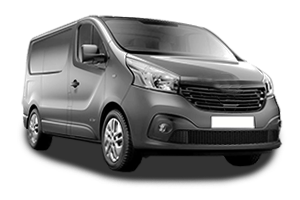
(90)
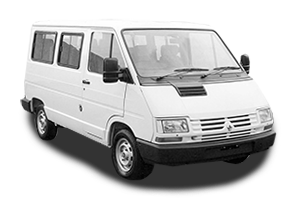
1989.04
(35)
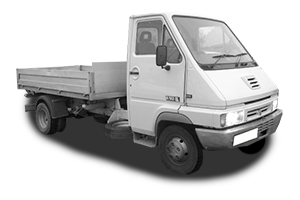
1989.04
(35)
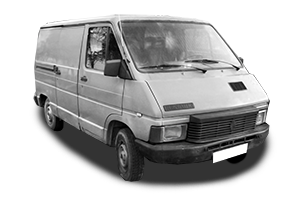
1989.04
(35)
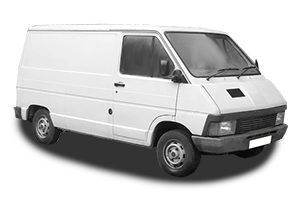
1991.06
(35)
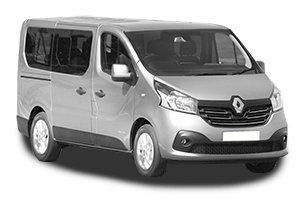
(85)
(88)
(89)
(92)
(103)
(107)
(66)
(70)
(88)
(92)
(103)
(107)
(85)
(88)
(89)
(92)
(103)
(107)
(66)
(70)
1986.06
(48)
1986.08
(48)
1986.06
(48)
1986.06
(48)
1986.06
(48)
1986.06
(48)
1989.04
(50)
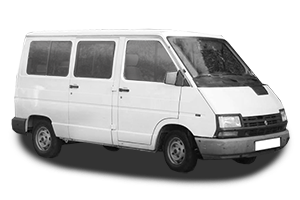
1994.08
(50)
1989.04
(50)
1994.08
(50)
1989.04
(50)
1994.08
(50)
1994.08
(51)
2001.03
(44)
2003.07
(59)
2018.12
(75)
2006.10
(74)
2006.10
(60)
2003.07
(59)
2006.10
(74)
2006.10
(60)
2003.07
(59)
(75)
2006.10
(74)
2006.10
(60)
2001.03
(44)
1985.04
(58)
1990.08
(59)
1989.04
(59)
1989.04
(59)
(84)
(66)
(84)
(66)
(84)
(66)
1986.12
(60)
1989.04
(59)
1989.02
(60)
1997.10
(59)
1989.04
(59)
1990.08
(59)
1985.04
(58)
1985.04
(58)
1989.02
(60)
1989.04
(59)
(81)
(88)
(107)
(110)
(125)
(107)
(110)
(125)
(81)
(88)
(96)
(107)
(110)
(125)
(88)
(86)
2006.10
(88)
(86)
(88)
(86)
1997.10
(47)
1994.06
(43)
1989.04
(43)
1989.02
(43)
1998.04
(47)
1989.02
(44)
1985.04
(43)
1989.04
(43)
1989.02
(43)
1997.10
(47)
1994.06
(43)
1997.10
(47)
1989.04
(43)
1989.02
(43)
1994.06
(43)
1989.04
(43)
1994.06
(70)
1997.10
(74)
1994.06
(70)
1994.06
(70)
1998.04
(74)
1998.04
(74)
1997.10
(74)
1994.06
(70)
1994.06
(70)
1997.10
(74)
1989.04
(51)
2001.03
(51)
(84)
2006.10
(99)
(107)
(84)
2006.10
(99)
(107)
(84)
2006.10
(99)
(107)
2001.03
(55)
2001.03
(55)
2001.03
(55)
1998.04
(58)
1994.08
(56)
1994.08
(56)
2001.03
(55)
Renault Trafic: Common Problems and Maintenance Tips
Introduction
The Renault Trafic is a reliable and versatile van, widely used for both personal and commercial purposes. While it offers impressive performance, there are some recurring issues and areas of maintenance that owners should be aware of. This article covers the most common problems, essential maintenance practices, and tips to help ensure the longevity of your Renault Trafic.
Common Problems
1. Diesel Particulate Filter (DPF) Issues
Many owners report problems with the Diesel Particulate Filter (DPF) clogging over time. This issue usually arises when the van is primarily used for short trips, preventing the DPF from regenerating properly. If the DPF becomes blocked, it can lead to a loss of power, increased fuel consumption, and engine warning lights.
2. Turbocharger Failures
The Renault Trafic, particularly older models, may experience turbocharger failure, which is often caused by oil starvation or a lack of maintenance. Turbocharger issues typically result in reduced engine power and increased exhaust smoke.
3. Clutch Problems
The clutch on some Renault Trafic models can wear prematurely, especially in vehicles that are frequently used for heavy-duty tasks. Symptoms include slipping, difficulty shifting gears, or a high biting point. Replacing the clutch can be expensive, so regular inspection is crucial.
4. Suspension Issues
The suspension system in the Renault Trafic can suffer from wear, particularly the front suspension components. This issue can lead to uneven tire wear, poor handling, and noticeable noises when driving over bumps. Regular inspection of suspension parts is essential to avoid these problems.
5. Electrical Problems
Electrical faults, such as issues with the alternator or battery, are relatively common in the Renault Trafic. These problems can cause the vehicle to have starting difficulties or lead to other electrical malfunctions. Keeping the electrical system in good condition through regular maintenance is advised.
Maintenance Tips
1. Regular Oil Changes
One of the most important maintenance tasks for the Renault Trafic is regular oil changes. Fresh oil helps maintain engine performance and prevents internal wear. It is recommended to change the oil every 10,000 to 15,000 miles, depending on usage.
2. Timely Brake Maintenance
The brakes are a crucial component of any vehicle, and the Renault Trafic is no exception. Regularly check the brake pads and discs for wear, and replace them as needed. If you notice reduced braking performance or unusual noises, have the brake system inspected immediately.
3. Keep the Cooling System in Check
The cooling system, including the radiator and coolant levels, should be checked regularly. If the coolant level drops too low or the radiator becomes blocked, the engine could overheat, leading to costly repairs. Ensure that the radiator and cooling system are functioning properly, especially in hot weather.
4. Monitor Tire Pressure and Alignment
Maintaining the correct tire pressure is essential for safety and fuel efficiency. Incorrect tire pressure can cause uneven tire wear, reducing their lifespan. Additionally, check the wheel alignment periodically to prevent uneven tire wear and improve handling.
5. Replace Timing Belt on Schedule
The timing belt should be replaced according to the manufacturer's recommendations. Failure to replace a worn timing belt can lead to severe engine damage. Typically, the timing belt should be replaced every 60,000 to 100,000 miles, depending on the model year.
Essential Fluids and Consumables
1. Engine Oil
The Renault Trafic requires high-quality engine oil to keep the engine running smoothly. Make sure to use the oil grade recommended by the manufacturer. For most models, 5W-30 fully synthetic oil is preferred, but always check your owner's manual.
2. Brake Fluid
Brake fluid should be checked and replaced at regular intervals to maintain braking efficiency. A good rule of thumb is to change the brake fluid every 2 years or 24,000 miles, whichever comes first.
3. Transmission Fluid
Ensure that the transmission fluid is at the correct level. This fluid lubricates the transmission components and helps with smooth gear shifting. Check the fluid every 30,000 miles and top it up if needed.
4. Coolant
Coolant should be flushed and replaced every 2 to 3 years to ensure optimal engine temperature control. Use the recommended type of coolant to prevent corrosion in the cooling system.
5. Air Filters
Regularly replacing the air filter is necessary to keep the engine breathing efficiently. A clogged or dirty air filter can reduce performance and fuel economy. Change the air filter every 12,000 to 15,000 miles or more frequently if driving in dusty conditions.
Conclusion
By staying on top of regular maintenance and addressing common issues promptly, you can ensure that your Renault Trafic runs smoothly for years to come. Be sure to consult your owner's manual for specific recommendations for your model year, and don't hesitate to seek professional advice if you notice any unusual symptoms. Proper care and attention will help preserve your Renault Trafic's reliability and performance.
- Engine Oil RENAULT TRAFIC
- Car Body RENAULT TRAFIC
- Engine Parts RENAULT TRAFIC
- Tyres RENAULT TRAFIC
- Wiper Blades RENAULT TRAFIC
- Brake Discs RENAULT TRAFIC
- Brake Pads RENAULT TRAFIC
- Oil Filters RENAULT TRAFIC
- Fuel Filters RENAULT TRAFIC
- Air Filters RENAULT TRAFIC
- Suspension Parts RENAULT TRAFIC
- Stabilizer RENAULT TRAFIC
- Ignition/Glow System RENAULT TRAFIC
- Bulbs RENAULT TRAFIC
- Car Filters RENAULT TRAFIC
- Clutch RENAULT TRAFIC
- Batteries RENAULT TRAFIC
- Tuning RENAULT TRAFIC
- Engine Radiator RENAULT TRAFIC
- Exhaust System RENAULT TRAFIC
- Intake System RENAULT TRAFIC
- Intercoolers RENAULT TRAFIC
- Brake Calipers RENAULT TRAFIC
- Muffler RENAULT TRAFIC
- Shock absorbers RENAULT TRAFIC
- Flywheel RENAULT TRAFIC