
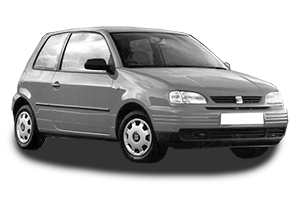
Brakes SEAT AROSA
#WSK
Select year
2001.01
(37)
2004.06
(37)
2004.06
(44)
2004.06
(74)
2004.06
(55)
2004.06
(44)
SEAT Arosa: Common Issues and Maintenance Guide
The SEAT Arosa is a compact city car known for its affordability and practicality. However, like all vehicles, it comes with its set of issues that owners need to be aware of for proper maintenance. This guide provides a detailed overview of the most common problems faced by the SEAT Arosa, necessary repairs, and recommended maintenance practices to keep your car running smoothly.
Common Problems with the SEAT Arosa
The SEAT Arosa, produced between 1997 and 2004, shares many components with other models in the Volkswagen Group. Despite its durability, there are several recurring issues reported by owners. Understanding these problems can help prevent unexpected breakdowns:
- Electrical Issues: Many owners report electrical failures, including problems with the central locking system, window regulators, and faulty wiring. These issues tend to occur around the 50,000 to 70,000-mile mark.
- Timing Belt Failure: The timing belt on the Arosa is known to wear out around the 60,000-mile mark. If not replaced, it can cause serious engine damage. Regular replacement at the recommended intervals is critical.
- Suspension and Steering: The Arosa’s suspension components, particularly the shock absorbers, tend to wear out quickly. Steering issues can also arise, especially with the power steering pump, which is a known failure point.
- Water Pump Problems: Some Arosa models experience water pump failure, typically after 70,000 to 90,000 miles. A failing water pump can lead to overheating and engine damage.
- Clutch Problems: The clutch in the Arosa, especially in models with higher mileage, can fail prematurely. This is often accompanied by difficulty in engaging gears or a slipping clutch.
Maintenance and Repair
Routine maintenance and timely repairs are essential for the longevity of your SEAT Arosa. Below are some of the key aspects of maintenance:
- Oil Change: It is recommended to change the engine oil every 10,000 to 12,000 miles or at least once a year. Using the correct oil grade is essential for optimal engine performance and longevity.
- Brake System: Regular inspection of the brake pads and discs is crucial. Depending on usage, brake pads may need replacement every 25,000 to 40,000 miles.
- Transmission Fluid: Change the transmission fluid every 40,000 miles to ensure smooth shifting and avoid transmission damage.
- Cooling System: Regularly inspect the coolant levels and replace the coolant every 40,000 miles or every 2 years to prevent overheating and damage to the engine.
Recommended Fluids, Filters, and Consumables
To ensure the proper function of your Arosa, it is important to use the correct fluids and filters at the right intervals:
- Engine Oil: Use a high-quality fully synthetic engine oil with a viscosity rating of 5W-30 or 5W-40, as recommended by the manufacturer.
- Air Filter: The air filter should be replaced every 12,000 miles or annually to ensure the engine gets enough clean air for optimal combustion.
- Fuel Filter: Replace the fuel filter every 30,000 miles to prevent clogging and ensure the engine receives clean fuel.
- Cabin Air Filter: Change the cabin air filter every 15,000 miles or once a year to maintain air quality inside the cabin.
- Timing Belt: The timing belt should be replaced every 60,000 miles to avoid potential engine damage from a snapped belt.
Conclusion
Owning a SEAT Arosa can be a rewarding experience, but like any vehicle, it requires regular maintenance and attention to keep it in good working order. By staying on top of common issues and performing routine repairs and maintenance, you can ensure that your Arosa continues to serve you reliably for many years. Always consult your owner’s manual for specific recommendations and consult a trusted mechanic when issues arise.
- Engine Oil SEAT AROSA
- Car Body SEAT AROSA
- Engine Parts SEAT AROSA
- Tyres SEAT AROSA
- Wiper Blades SEAT AROSA
- Brake Discs SEAT AROSA
- Brake Pads SEAT AROSA
- Oil Filters SEAT AROSA
- Fuel Filters SEAT AROSA
- Air Filters SEAT AROSA
- Suspension Parts SEAT AROSA
- Stabilizer SEAT AROSA
- Ignition/Glow System SEAT AROSA
- Bulbs SEAT AROSA
- Car Filters SEAT AROSA
- Clutch SEAT AROSA
- Batteries SEAT AROSA
- Tuning SEAT AROSA
- Engine Radiator SEAT AROSA
- Exhaust System SEAT AROSA
- Intake System SEAT AROSA
- Intercoolers SEAT AROSA
- Brake Calipers SEAT AROSA
- Muffler SEAT AROSA
- Shock absorbers SEAT AROSA
- Flywheel SEAT AROSA