
Brakes SEAT EXEO
#WSK
Select year
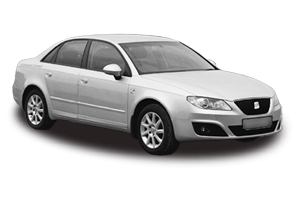
2010.09
(75)
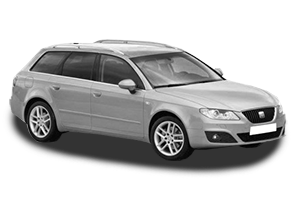
2010.09
(75)
2010.05
(110)
2010.05
(110)
2013.05
(88)
2013.05
(118)
2013.05
(118)
2013.05
(88)
2013.05
(88)
2013.05
(125)
2013.05
(105)
2013.05
(105)
2013.05
(125)
2013.05
(88)
2013.05
(155)
2013.05
(147)
2013.05
(147)
2013.05
(155)
SEAT Exeo: Common Issues and Maintenance Guide
Introduction
The SEAT Exeo, a compact executive car produced by Spanish automaker SEAT between 2008 and 2013, shares much of its underpinnings with the Audi A4. The Exeo was SEAT’s attempt to enter the mid-size premium sedan market. However, despite its strong performance and Audi DNA, the Exeo has its share of issues, with certain components prone to failure over time. This article provides an in-depth look at the common problems, maintenance requirements, and consumable parts for the SEAT Exeo, ensuring that owners can keep their vehicle in optimal condition.
Common Problems of SEAT Exeo
1. Electrical Issues
One of the more frequent problems with the SEAT Exeo is electrical issues, especially with the vehicle's central locking system and windows. Over time, the window regulators can fail, leading to windows becoming stuck or not responding to commands. Additionally, electrical faults can sometimes affect the air conditioning and dashboard electronics.
2. Turbocharger Failures
Owners of the Exeo with the 2.0 TDI engine have reported turbocharger failures at around 80,000 to 120,000 miles. The turbocharger may begin to whistle or produce excessive smoke, often due to carbon build-up or a lack of regular maintenance. A turbo replacement can be costly but is often necessary if not addressed promptly.
3. DPF (Diesel Particulate Filter) Problems
For Exeo models with diesel engines, DPF problems are common, especially in city driving conditions. The filter may clog if the vehicle is not driven long enough to allow the DPF to regenerate. If regeneration doesn’t occur, it can lead to reduced engine performance and a costly replacement of the DPF system.
4. Suspension Wear
Another common issue in the SEAT Exeo, particularly in the earlier years of production, is suspension wear. The front suspension components, including the control arms and bushings, can deteriorate over time, leading to noise and an uncomfortable ride. This problem often occurs at around 60,000 miles and requires replacement of the worn-out parts.
5. Timing Belt Failures
Timing belt failures, though not exceedingly common, have been reported in some SEAT Exeo models, especially those with the 1.8 TSI and 2.0 TDI engines. If the timing belt breaks, it can cause significant engine damage. It's essential to replace the timing belt at the recommended intervals (every 60,000 to 80,000 miles) to avoid this expensive repair.
Maintenance and Consumables
1. Engine Oil and Filters
Routine oil changes are critical to the longevity of the SEAT Exeo’s engine. It is recommended to use high-quality synthetic engine oil such as 5W-30, which helps reduce wear and tear on engine components. Oil changes should be performed every 10,000 to 15,000 miles or annually, whichever comes first. Along with the oil change, the oil filter should be replaced to maintain optimal engine performance.
2. Brake Pads and Discs
The brake pads and discs of the SEAT Exeo should be checked regularly, as they tend to wear out faster with urban driving. Replacing the brake pads at least every 25,000 miles and the discs every 50,000 miles ensures safety and performance. If you hear squealing sounds or feel vibrations during braking, it’s time to inspect or replace the brake components.
3. Air Filters and Cabin Filters
The air filters in the SEAT Exeo should be replaced every 30,000 miles to ensure the engine breathes clean air, promoting better fuel efficiency and performance. Similarly, the cabin air filter should be changed every 15,000 miles to maintain air quality inside the vehicle and prevent the A/C system from becoming clogged.
4. Timing Belt
As mentioned earlier, the timing belt is an important part of the engine's internal components. Regular replacement of the timing belt at intervals of 60,000 to 80,000 miles is essential to prevent catastrophic engine damage. Always consult the service manual for the correct replacement interval for your engine model.
5. Tires
The SEAT Exeo requires tire replacements every 20,000 to 30,000 miles, depending on driving conditions. Regular tire rotation and alignment will help extend the lifespan of the tires and improve fuel efficiency. Ensure that you check the tire pressure monthly to avoid uneven wear and maintain optimal fuel consumption.
Conclusion
While the SEAT Exeo is a well-engineered car with many of the benefits of Audi’s design, it’s not without its potential issues. Regular maintenance and attention to detail can ensure that your Exeo remains reliable for years to come. By addressing common problems such as electrical faults, turbocharger wear, and DPF issues promptly, and by sticking to the recommended maintenance schedule, owners can enjoy a trouble-free driving experience.
- Engine Oil SEAT EXEO
- Car Body SEAT EXEO
- Engine Parts SEAT EXEO
- Tyres SEAT EXEO
- Wiper Blades SEAT EXEO
- Brake Discs SEAT EXEO
- Brake Pads SEAT EXEO
- Oil Filters SEAT EXEO
- Fuel Filters SEAT EXEO
- Air Filters SEAT EXEO
- Suspension Parts SEAT EXEO
- Stabilizer SEAT EXEO
- Ignition/Glow System SEAT EXEO
- Bulbs SEAT EXEO
- Car Filters SEAT EXEO
- Clutch SEAT EXEO
- Batteries SEAT EXEO
- Tuning SEAT EXEO
- Engine Radiator SEAT EXEO
- Exhaust System SEAT EXEO
- Intake System SEAT EXEO
- Intercoolers SEAT EXEO
- Brake Calipers SEAT EXEO
- Muffler SEAT EXEO
- Shock absorbers SEAT EXEO
- Flywheel SEAT EXEO