
Shock absorbers SKODA YETI
#WSK
Select year

2017.12
(81)
2015.05
(77)
2015.05
(90)
2017.12
(92)
2017.12
(110)
2017.12
(81)
2015.05
(77)
2017.12
(118)
2017.12
(112)
2017.12
(110)
2017.12
(103)
2017.12
(81)
2015.05
(125)
2017.12
(103)
2017.12
(110)
2017.12
(81)

BILSTEIN
Shock absorber 19-127439
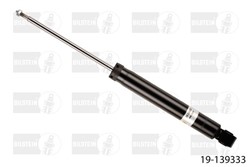
BILSTEIN
Shock absorber 19-139333
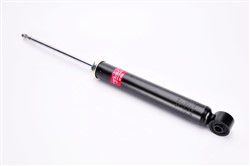
KYB
Shock absorber KYB344459
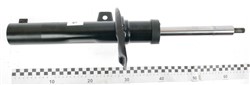
MAGNUM TECHNOLOGY
Shock absorber AGW057MT
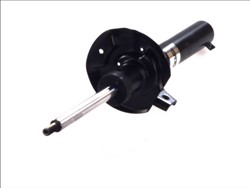
MAGNUM TECHNOLOGY
Shock absorber AGW058MT
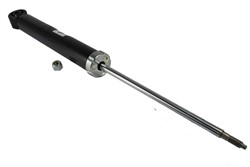
MAGNUM TECHNOLOGY
Shock absorber AGW066MT
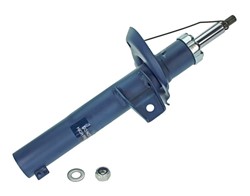
MEYLE
Shock absorber 126 623 0050
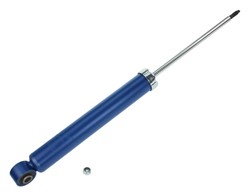
MEYLE
Shock absorber 126 725 0024
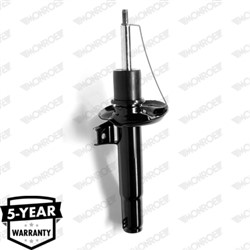
MONROE
Shock absorber MONG16495
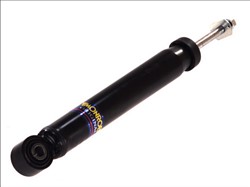
MONROE
Shock absorber MONG1057

SACHS
Shock absorber 560 286
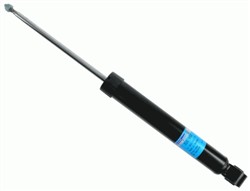
SACHS
Shock absorber 310 950
Skoda Yeti Common Problems and Maintenance Guide
The Skoda Yeti, a compact crossover SUV produced by Czech automaker Skoda from 2009 to 2017, is well-regarded for its practicality, durability, and good handling. However, like any vehicle, it is not without its issues. This article explores the most common problems faced by Skoda Yeti owners, the parts that are prone to wear, and the recommended maintenance practices to ensure the vehicle remains in good working condition.
1. Common Problems in the Skoda Yeti
1.1. Timing Chain Issues
A frequent problem in earlier models of the Skoda Yeti, particularly with the 1.2 TSI engine, is the failure of the timing chain. Over time, the chain can stretch, leading to misfires, poor engine performance, or even complete engine failure. It is advisable to replace the timing chain at around 80,000 to 100,000 miles to avoid potential catastrophic damage to the engine.
1.2. DPF (Diesel Particulate Filter) Blockage
For diesel variants, a common issue is the blockage of the Diesel Particulate Filter (DPF). This is particularly a problem if the vehicle is primarily used for short trips where the engine doesn’t reach the necessary temperature to burn off the soot. To prevent this issue, owners of diesel Yeti models should regularly drive the vehicle for longer distances to allow the DPF to regenerate.
1.3. Electric Handbrake Failure
Skoda Yeti owners have reported failures with the electric handbrake system, particularly in models from 2012 onwards. The issue typically manifests as the handbrake not engaging or disengaging properly, often due to a malfunctioning actuator. Replacing the actuator is usually the solution, but it can be a costly repair.
1.4. Suspension Problems
Suspension problems, particularly with the rear axle, have been reported in some Skoda Yeti models. This is usually characterized by noise from the rear suspension or a noticeable decrease in ride quality. The rear shock absorbers and suspension bushes are common culprits. Regular inspection and replacement of worn components can prevent further issues.
1.5. Water Leaks
Some Skoda Yeti models, especially earlier ones, have been reported to have water leaks. These leaks typically occur around the door seals, sunroof, and windshield. Over time, seals can degrade, leading to water ingress into the interior. Prompt replacement of damaged seals can prevent long-term damage to the interior of the vehicle.
2. Parts That May Need Replacement
2.1. Brake Pads and Discs
As with any vehicle, the brake pads and discs on the Skoda Yeti will need replacing over time. The replacement interval varies depending on driving style, but typically, brake pads should be replaced every 30,000 to 40,000 miles, and the discs should be replaced when they become too worn.
2.2. Clutch
If you drive a manual Skoda Yeti, the clutch may need to be replaced around 80,000 to 100,000 miles, depending on usage. Problems such as slipping or difficulty engaging gears are common signs that the clutch is wearing out.
2.3. Timing Belt
If your Yeti has a timing belt (as opposed to a chain), it is essential to replace it at regular intervals to prevent engine damage. The recommended interval for timing belt replacement is typically 60,000 to 100,000 miles, depending on the engine model.
2.4. Battery
The battery in the Skoda Yeti will typically last between 4 and 6 years. However, extreme weather conditions and short journeys can shorten the battery's lifespan. Regularly check the battery’s charge and condition, and replace it when necessary.
2.5. Tyres
Tyres should be inspected regularly for signs of wear and tear. The tread depth should not fall below 1.6mm, and tyres should be replaced if they become damaged or worn unevenly. Rotating tyres every 10,000 to 15,000 miles can help extend their lifespan.
3. Recommended Oils, Fluids, and Filters
3.1. Engine Oil
Skoda recommends using synthetic engine oil for the Yeti. The most commonly used oil types are 5W-30 or 5W-40, depending on the engine variant. It is important to change the engine oil every 10,000 to 15,000 miles to maintain optimal engine performance.
3.2. Transmission Fluid
For manual and automatic transmissions, it is essential to use the correct transmission fluid. Transmission fluid should generally be replaced every 40,000 to 60,000 miles. For automatic transmissions, Skoda recommends the use of DSG transmission fluid for models with a dual-clutch gearbox.
3.3. Brake Fluid
Brake fluid should be checked regularly, as it can absorb moisture over time, leading to corrosion and reduced braking efficiency. It is recommended to change the brake fluid every two years to ensure optimal braking performance.
3.4. Coolant
The Skoda Yeti uses a long-life coolant, which should be replaced every 5 years or 100,000 miles, whichever comes first. Regularly check the coolant levels and ensure the system is free of leaks to avoid overheating issues.
3.5. Air Filters
The air filters should be replaced every 15,000 to 20,000 miles to ensure that the engine receives clean air. A clogged air filter can lead to poor fuel economy and engine performance.
4. Conclusion
The Skoda Yeti is a reliable and practical vehicle, but like any car, it requires regular maintenance to keep it in good condition. By addressing common issues such as timing chain problems, DPF blockages, and electric handbrake failures promptly, owners can avoid costly repairs. Regular oil changes, brake fluid replacements, and checking the suspension can also help ensure the longevity and performance of the Yeti.
Always refer to the owner's manual for the specific maintenance schedule for your vehicle, and consult with a professional mechanic for any major repairs or issues.
- Engine Oil SKODA YETI
- Car Body SKODA YETI
- Engine Parts SKODA YETI
- Tyres SKODA YETI
- Wiper Blades SKODA YETI
- Brake Discs SKODA YETI
- Brake Pads SKODA YETI
- Oil Filters SKODA YETI
- Fuel Filters SKODA YETI
- Air Filters SKODA YETI
- Suspension Parts SKODA YETI
- Stabilizer SKODA YETI
- Ignition/Glow System SKODA YETI
- Bulbs SKODA YETI
- Car Filters SKODA YETI
- Clutch SKODA YETI
- Batteries SKODA YETI
- Tuning SKODA YETI
- Engine Radiator SKODA YETI
- Exhaust System SKODA YETI
- Intake System SKODA YETI
- Intercoolers SKODA YETI
- Brake Calipers SKODA YETI
- Muffler SKODA YETI
- Flywheel SKODA YETI
- Brakes SKODA YETI