
Brakes TOYOTA AYGO
#WSK
Select year
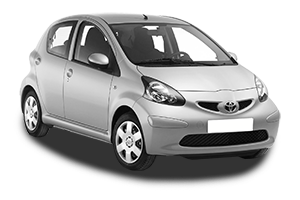
2014.05
(50)
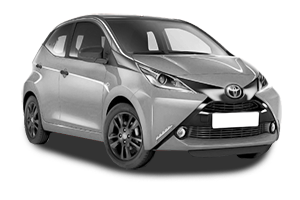
(51)
(53)

2014.05
(50)
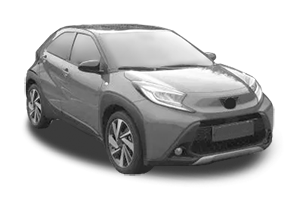
(53)
(60)
2010.08
(40)
(85)
Toyota Aygo: Common Problems, Parts Requiring Replacement, and Maintenance Guide
Introduction
The Toyota Aygo is a compact city car produced by Toyota. Since its release, it has earned a reputation for being reliable, efficient, and fun to drive. However, like any vehicle, it has its share of common issues and parts that may need regular replacement. In this article, we will look into the most frequent problems owners encounter, the parts that commonly wear out, and the essential maintenance tasks that should be carried out to ensure the longevity and smooth operation of the Aygo.
Common Problems in the Toyota Aygo
Despite its overall reliability, the Toyota Aygo is not immune to certain issues. Here are some of the most common problems reported by owners:
- Timing Chain Tensioner Issues: Some Toyota Aygo models, especially the earlier ones, have been known to experience problems with the timing chain tensioner. This can lead to a rattling noise from the engine and, if not addressed, can cause more serious engine issues.
- Clutch Problems: The clutch system in the Aygo may wear out prematurely, particularly in models with higher mileage. Symptoms of clutch issues include difficulty changing gears and slipping or juddering when accelerating.
- Electrical Issues: Some owners have reported electrical problems, such as issues with the car’s central locking system, malfunctioning window switches, or electrical failure in the dashboard display.
- Brake Wear: While the brakes on the Toyota Aygo are generally reliable, some users have noticed premature brake pad wear, especially if the vehicle is used frequently in stop-start traffic.
- Suspension Problems: Worn suspension components, such as bushings and shock absorbers, can cause a bumpy ride or handling issues. This is more common in older models or those that have seen heavy use on rough roads.
Parts Requiring Regular Replacement
Like all vehicles, the Toyota Aygo requires regular maintenance and part replacements to keep it running smoothly. Some parts are particularly prone to wear and should be replaced at specific intervals:
- Timing Chain and Tensioner: If you own an older model, check the timing chain and tensioner regularly. A noisy engine could be a sign that the tensioner is failing and needs to be replaced.
- Brake Pads: Brake pads should be replaced when they start to wear down. Depending on driving conditions, you may need to replace them every 20,000 to 40,000 miles.
- Suspension Bushings: Suspension components, particularly the bushings, should be checked regularly. These may need replacement if the car starts to feel unstable or if you notice abnormal noises from the suspension system.
- Clutch: A slipping clutch should be replaced promptly to avoid further damage. Clutch replacement is usually required every 60,000 to 100,000 miles depending on driving habits.
- Spark Plugs: Regularly replacing the spark plugs is essential for maintaining engine performance. They should typically be replaced every 40,000 to 60,000 miles.
Recommended Fluids and Regular Maintenance
Ensuring that the correct fluids are used and regular maintenance is performed is key to keeping your Toyota Aygo in top condition. Below is a guide to the essential fluids and maintenance tasks for your vehicle:
- Engine Oil: Use high-quality engine oil to ensure proper lubrication of the engine. Toyota recommends synthetic oil for the Aygo. Oil changes should be performed every 6,000 to 10,000 miles, depending on the type of oil used and driving conditions.
- Coolant: The coolant level should be checked regularly, and the coolant should be replaced every 30,000 to 50,000 miles. Toyota typically uses a long-life coolant in the Aygo, but it’s important to replace it on schedule to prevent overheating.
- Transmission Fluid: Check the transmission fluid regularly. For manual transmission models, the fluid typically needs changing every 30,000 to 60,000 miles. Automatic transmission models may require fluid replacement every 60,000 miles or more, depending on the manufacturer’s recommendation.
- Brake Fluid: Brake fluid should be replaced every 20,000 to 40,000 miles to ensure effective braking. If you notice a soft brake pedal or poor braking performance, it could be time to replace the brake fluid.
- Power Steering Fluid: Check the power steering fluid level regularly and top it up if needed. Power steering fluid replacement may be necessary every 30,000 to 60,000 miles.
Conclusion
Overall, the Toyota Aygo is a well-built and reliable car that provides great value for money. By staying on top of common issues such as timing chain tensioner problems and clutch wear, as well as maintaining regular replacement of parts like brake pads, suspension bushings, and spark plugs, you can enjoy many trouble-free years with your Aygo. Additionally, adhering to a regular maintenance schedule for essential fluids will keep the engine and other critical systems running smoothly for the long term.
- Engine Oil TOYOTA AYGO
- Car Body TOYOTA AYGO
- Engine Parts TOYOTA AYGO
- Tyres TOYOTA AYGO
- Wiper Blades TOYOTA AYGO
- Brake Discs TOYOTA AYGO
- Brake Pads TOYOTA AYGO
- Oil Filters TOYOTA AYGO
- Fuel Filters TOYOTA AYGO
- Air Filters TOYOTA AYGO
- Suspension Parts TOYOTA AYGO
- Stabilizer TOYOTA AYGO
- Ignition/Glow System TOYOTA AYGO
- Bulbs TOYOTA AYGO
- Car Filters TOYOTA AYGO
- Clutch TOYOTA AYGO
- Batteries TOYOTA AYGO
- Tuning TOYOTA AYGO
- Engine Radiator TOYOTA AYGO
- Exhaust System TOYOTA AYGO
- Intake System TOYOTA AYGO
- Intercoolers TOYOTA AYGO
- Brake Calipers TOYOTA AYGO
- Muffler TOYOTA AYGO
- Shock absorbers TOYOTA AYGO
- Flywheel TOYOTA AYGO