
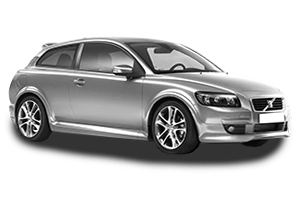
Brakes VOLVO C30
#WSK
Select year
2012.12
(89)
2012.12
(82)
2012.12
(80)
2012.12
(84)
2012.12
(74)
2012.12
(92)
2012.12
(92)
2012.12
(110)
2012.12
(130)
2012.12
(100)
2012.12
(107)
2012.12
(107)
2012.12
(120)
2012.12
(132)
2012.12
(125)
2012.12
(162)
2012.12
(169)
Volvo C30: Common Problems, Maintenance, and Repair Guide
Brand: Volvo | Model: C30 | Years: 2006-2013
Introduction
The Volvo C30, a compact executive hatchback, is known for its safety features, Swedish design, and performance. However, like all cars, it has some common issues that owners should be aware of. In this guide, we will explore the most frequent problems, necessary repairs, and tips for maintaining your Volvo C30.
Common Problems and Repairs
1. Electrical Issues
The Volvo C30 is often reported to have electrical issues, especially with the central locking system, electrical windows, and malfunctioning dashboard lights. These issues usually stem from faulty wiring, blown fuses, or malfunctioning modules. Regular checks on the fuse box and ensuring connectors are intact can help avoid costly repairs.
2. Turbocharger Failures
The turbocharged engine options of the Volvo C30 have been known to experience failures, particularly at higher mileages (over 100,000 miles). Common symptoms include poor acceleration and engine performance. Replacing the turbocharger or addressing oil leaks can solve these problems. It is recommended to check the oil regularly and use the correct type to ensure the turbo works efficiently.
3. Timing Belt Issues
As with many older vehicles, the timing belt on the Volvo C30 should be replaced at recommended intervals (typically every 80,000 to 100,000 miles). Failure to replace the timing belt can lead to severe engine damage. If you hear unusual engine noises or notice a drop in engine performance, it could be a sign that the timing belt is due for replacement.
4. Suspension Wear
The Volvo C30 is known for its comfortable ride, but owners may encounter suspension issues over time, particularly with the rear shock absorbers and control arm bushings. These parts can wear out and cause a bumpy ride or unusual noises when driving over bumps. Replacing these components with OEM parts can restore ride quality.
5. Clutch and Transmission Problems
Clutch issues are also reported, particularly with manual transmission models. Symptoms include difficulty shifting gears or a spongy clutch pedal. If you experience these issues, the clutch master cylinder or slave cylinder might need replacing. In some cases, the clutch itself may wear out prematurely, requiring replacement.
6. Fuel Pump Failures
Fuel pump failures are another concern, particularly in higher-mileage models. Signs of a failing fuel pump include engine misfires, stalling, or difficulty starting. Replacing the fuel pump is the usual solution, though it's essential to check the fuel filter and lines for issues before replacing the pump.
Maintenance and Recommended Fluid Changes
Engine Oil and Filter
For the Volvo C30, it is crucial to use high-quality synthetic engine oil. The oil should be changed every 10,000 miles or once a year, whichever comes first. Using the correct oil filter is also important to maintain engine health and performance.
Transmission Fluid
For automatic transmission models, Volvo recommends changing the transmission fluid every 50,000 to 60,000 miles to prevent slipping or erratic shifting. Manual transmission models should also have their fluid checked regularly to ensure smooth gear shifts.
Brake Fluid
Brake fluid is critical to ensuring safe operation of the braking system. Volvo recommends changing brake fluid every 2 years to avoid moisture buildup, which can lead to corrosion and brake failure.
Timing Belt and Water Pump
As mentioned earlier, the timing belt should be replaced every 80,000 to 100,000 miles. It is also wise to replace the water pump at the same time, as both components share the same labor cost for replacement.
Coolant
The Volvo C30 uses a special type of coolant that should be replaced every 3 years or 30,000 miles to prevent overheating or corrosion within the cooling system.
Air Filters
Air filters should be checked and replaced every 15,000 miles. Clogged air filters can reduce engine performance and fuel efficiency. Ensure the cabin air filter is also replaced to maintain air quality inside the vehicle.
Common Parts Requiring Replacement
- Brake Pads and Rotors: These should be replaced every 30,000 to 40,000 miles depending on driving habits and road conditions.
- Windshield Wipers: Wiper blades should be changed at least once a year to ensure clear visibility in adverse weather.
- Battery: A typical car battery lasts 3 to 5 years. If the car struggles to start, it may be time to replace the battery.
- Headlight Bulbs: These bulbs are essential for nighttime visibility and should be checked regularly for dimming or failure.
Conclusion
The Volvo C30 is a reliable and stylish car, but like all vehicles, it requires regular maintenance to keep running smoothly. By staying on top of common issues like electrical problems, turbocharger failures, and clutch wear, and by adhering to Volvo’s recommended maintenance schedule, you can enjoy the C30 for many years to come.
- Engine Oil VOLVO C30
- Car Body VOLVO C30
- Engine Parts VOLVO C30
- Tyres VOLVO C30
- Wiper Blades VOLVO C30
- Brake Discs VOLVO C30
- Brake Pads VOLVO C30
- Oil Filters VOLVO C30
- Fuel Filters VOLVO C30
- Air Filters VOLVO C30
- Suspension Parts VOLVO C30
- Stabilizer VOLVO C30
- Ignition/Glow System VOLVO C30
- Bulbs VOLVO C30
- Car Filters VOLVO C30
- Clutch VOLVO C30
- Batteries VOLVO C30
- Tuning VOLVO C30
- Engine Radiator VOLVO C30
- Exhaust System VOLVO C30
- Intake System VOLVO C30
- Intercoolers VOLVO C30
- Brake Calipers VOLVO C30
- Muffler VOLVO C30
- Shock absorbers VOLVO C30
- Flywheel VOLVO C30