
Shock absorbers VW JETTA
#WSK
Select year
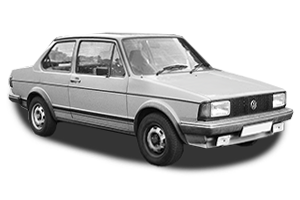
1984.02
(37)
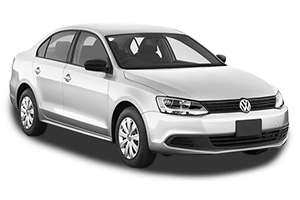
2017.12
(77)
2017.12
(77)
1984.02
(44)
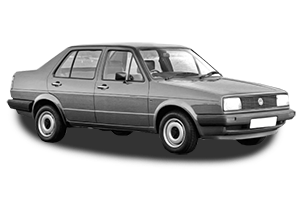
1987.06
(40)
1991.12
(40)
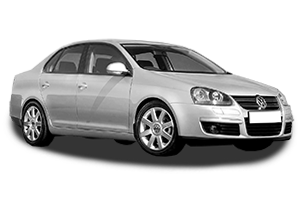
2010.10
(90)
2010.10
(125)
2010.10
(103)
2010.10
(118)
2017.12
(110)
2017.12
(118)
2017.12
(90)
2017.12
(110)
2017.12
(92)
2017.12
(125)
(110)
1984.02
(51)
1980.07
(37)
1984.02
(63)
1984.02
(40)
1982.07
(81)
1984.02
(51)
1991.10
(40)
1991.10
(59)
1991.10
(51)
1991.10
(44)
1991.10
(51)
1992.07
(55)
1991.10
(53)
2010.10
(75)
2010.10
(75)
2010.10
(85)
2010.10
(77)
2010.10
(66)
2018.04
(77)
2018.04
(66)
2015.07
(77)
1984.02
(82)
1987.10
(79)
1991.10
(66)
1990.01
(62)
1991.10
(82)
1991.10
(95)
1989.12
(102)
1991.10
(66)
1991.10
(79)
1991.07
(72)
1988.12
(66)
2017.12
(125)
2010.10
(77)
2010.10
(74)
2010.10
(103)
2010.10
(125)
2010.10
(100)
2010.10
(103)
2017.12
(81)
2017.12
(110)
2017.12
(103)
2010.10
(110)
2010.10
(147)
2017.12
(85)
2014.07
(147)
2017.12
(155)
2010.10
(110)
2017.12
(125)

BILSTEIN
Shock absorber 19-127439
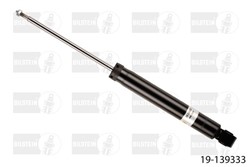
BILSTEIN
Shock absorber 19-139333
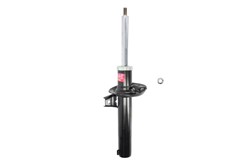
KYB
Shock absorber KYB335808
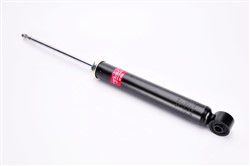
KYB
Shock absorber KYB344459
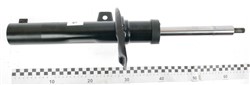
MAGNUM TECHNOLOGY
Shock absorber AGW057MT
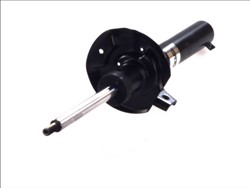
MAGNUM TECHNOLOGY
Shock absorber AGW058MT
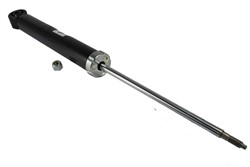
MAGNUM TECHNOLOGY
Shock absorber AGW066MT
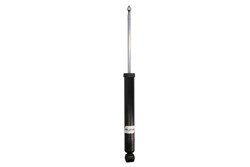
MAGNUM TECHNOLOGY
Shock absorber AGW079MT
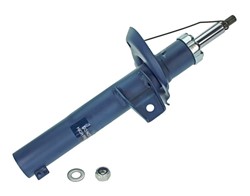
MEYLE
Shock absorber 126 623 0050

MEYLE
Shock absorber 126 623 0055
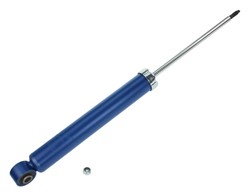
MEYLE
Shock absorber 126 725 0024
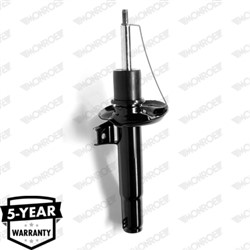
MONROE
Shock absorber MONG16495
Common Problems and Maintenance for the VW Jetta
The VW Jetta, known for its reliability and performance, is a favorite among drivers. However, like any car, it comes with its share of common problems that owners need to be aware of. This guide will provide an in-depth look at the most frequent issues that arise in different Jetta models, as well as the necessary maintenance, parts replacements, and fluids to keep your vehicle running smoothly.
Common Problems with the VW Jetta
1. Transmission Issues
Many VW Jetta owners report problems with the transmission, particularly in models from 2010 to 2015. Common symptoms include rough shifting, hesitation, and jerky movements during acceleration. This issue often stems from a faulty DSG (Direct Shift Gearbox) transmission. Repairing this problem typically involves resetting or replacing the transmission control module, or in severe cases, replacing the entire DSG unit.
2. Ignition Coil Failure
A widespread problem in older Jetta models (2005-2010) is ignition coil failure. Symptoms include rough idling, engine misfires, and a check engine light. Replacing the faulty ignition coils can resolve this issue and restore engine performance.
3. Turbocharger Problems
The turbocharged engines in some Jetta models can experience issues such as turbo failure, especially when the car has accumulated high mileage (over 100,000 miles). This can result in a loss of power or poor acceleration. Regular maintenance of the turbo system, including oil changes and avoiding short trips that don’t allow the turbo to cool down properly, can help extend the turbocharger's lifespan.
4. Electrical Issues
Electrical problems, such as issues with the power windows, faulty wiring, and malfunctioning sensors, are commonly reported by VW Jetta owners. A common cause of electrical failure is faulty fuses, relays, or wiring that has degraded over time. Addressing these issues early on can prevent more serious damage.
5. Suspension Problems
Some Jetta owners report issues with the suspension, particularly in the rear, including worn-out bushings and struts. These issues usually start to appear after 60,000 miles. Replacing worn suspension components is necessary to ensure a smooth ride and prevent further damage to other suspension parts.
Regular Maintenance and Fluids for the VW Jetta
1. Oil Changes
Oil changes are essential for maintaining engine health. The recommended oil change interval for most VW Jetta models is every 10,000 miles or once a year, whichever comes first. Use the oil recommended by Volkswagen, such as 5W-30 synthetic oil, to ensure optimal performance and longevity.
2. Brake Fluid
Brake fluid should be replaced every two years to maintain braking efficiency and ensure safety. Always use high-quality brake fluid that meets the VW specifications to prevent corrosion and maintain the braking system's performance.
3. Coolant and Antifreeze
Coolant levels should be checked regularly. Most Jetta models require a 50/50 mix of antifreeze and distilled water. It’s crucial to replace coolant every 60,000 miles to prevent overheating and to protect the radiator and engine components.
4. Air Filters
The air filter should be inspected every 15,000 miles and replaced if necessary. A clogged air filter can reduce engine efficiency and performance. Regularly changing the air filter ensures proper air intake, leading to better fuel economy and reduced engine strain.
5. Timing Belt
For Jetta models with a timing belt, it is important to replace it every 60,000 miles to avoid catastrophic engine damage. A worn or broken timing belt can result in significant engine failure, leading to costly repairs.
Parts Most Likely to Require Replacement
1. Timing Belt
As mentioned earlier, the timing belt is a crucial part of your Jetta’s engine, and it should be replaced every 60,000 miles. Neglecting this maintenance can lead to engine damage and costly repairs.
2. Brake Pads
Brake pads wear down over time and should be replaced every 30,000 to 50,000 miles, depending on driving habits. If you notice reduced braking efficiency or squealing noises when applying the brakes, it’s time to replace your brake pads.
3. Spark Plugs
Spark plugs are another component that wears out over time. They should be replaced every 30,000 to 60,000 miles, depending on the type of spark plugs used. Replacing spark plugs ensures smooth engine performance and prevents misfires.
4. Tires
Tires should be replaced based on tread wear, but it’s typically recommended to replace them every 40,000 to 60,000 miles. Regular tire rotations every 6,000 miles can help ensure even wear and extend tire life.
5. Battery
The battery in the VW Jetta typically lasts 3 to 5 years. If you notice signs of a weak battery, such as dimming headlights or difficulty starting the engine, it’s time to replace the battery.
Conclusion
Maintaining your VW Jetta properly can help prevent many common problems and extend its lifespan. Regular oil changes, timely brake fluid and coolant replacements, and keeping an eye on the suspension and electrical systems will help ensure your Jetta runs smoothly. Stay on top of these maintenance tasks and address problems promptly to avoid costly repairs and keep your vehicle in top condition for years to come.
- Engine Oil VW JETTA
- Car Body VW JETTA
- Engine Parts VW JETTA
- Tyres VW JETTA
- Wiper Blades VW JETTA
- Brake Discs VW JETTA
- Brake Pads VW JETTA
- Oil Filters VW JETTA
- Fuel Filters VW JETTA
- Air Filters VW JETTA
- Suspension Parts VW JETTA
- Stabilizer VW JETTA
- Ignition/Glow System VW JETTA
- Bulbs VW JETTA
- Car Filters VW JETTA
- Clutch VW JETTA
- Batteries VW JETTA
- Tuning VW JETTA
- Engine Radiator VW JETTA
- Exhaust System VW JETTA
- Intake System VW JETTA
- Intercoolers VW JETTA
- Brake Calipers VW JETTA
- Muffler VW JETTA
- Flywheel VW JETTA
- Brakes VW JETTA
Shock absorbers for other models of VW
- Shock absorbers VW CADDY
- Shock absorbers VW CC
- Shock absorbers VW CRAFTER
- Shock absorbers VW GOLF
- Shock absorbers VW JETTA
- Shock absorbers VW PASSAT
- Shock absorbers VW POLO
- Shock absorbers VW SCIROCCO
- Shock absorbers VW T-CROSS
- Shock absorbers VW T-ROC
- Shock absorbers VW TIGUAN
- Shock absorbers VW TOURAN
- Shock absorbers VW TRANSPORTER
- Shock absorbers VW UP!