
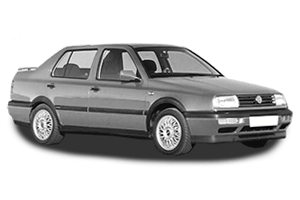
Shock absorbers VW VENTO
#WSK
Select year
1998.09
(40)
1998.09
(44)
1998.09
(74)
1998.09
(55)
1998.09
(55)
1998.09
(66)
1998.09
(48)
1998.09
(47)
1998.09
(55)
1998.09
(81)
1998.09
(66)
1998.09
(85)
1998.09
(128)
1998.09
(120)
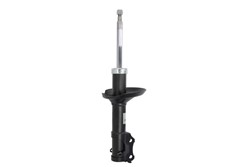
MAGNUM TECHNOLOGY
Shock absorber AHW009MT
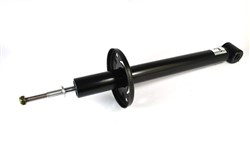
MAGNUM TECHNOLOGY
Shock absorber AHW026MT

SACHS
Shock absorber 350 709
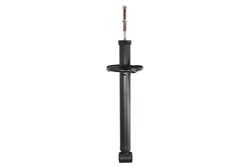
MONROE
Shock absorber MONR3728

TRW
Shock absorber JHM185S

MEYLE
Shock absorber 126 725 0055
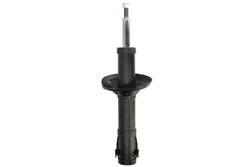
KYB
Shock absorber KYB634810

MEYLE
Shock absorber 126 623 0031
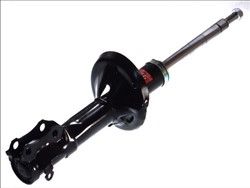
KYB
Shock absorber KYB334810
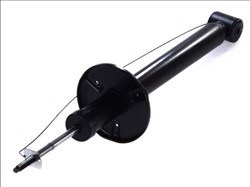
MONROE
Shock absorber MON23976
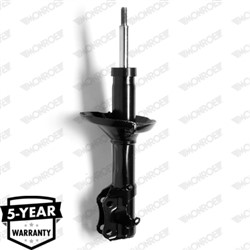
MONROE
Shock absorber MON11250
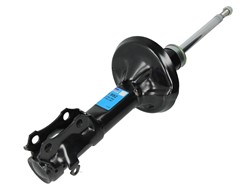
SACHS
Shock absorber 290 952
Volkswagen Vento Common Problems, Repairs & Maintenance
Introduction
The Volkswagen Vento, a compact sedan that shares a platform with the Polo, is popular for its stylish looks and comfortable drive. However, like any vehicle, it has some common issues that owners should be aware of. This article covers the most frequent problems, repair solutions, and essential maintenance tips to ensure your Vento runs smoothly for years to come.
Common Problems
1. Timing Chain Tensioner Failure
One of the most common issues in the Vento is the timing chain tensioner. Over time, the tensioner can fail, causing the timing chain to lose its tension. This can lead to a noisy engine, poor performance, and even severe engine damage if not addressed promptly. Regular inspections of the timing chain system are recommended to prevent this issue.
2. Suspension Wear
The suspension system on the Vento, particularly the front struts, can wear out early. This can lead to a bumpy ride, uneven tire wear, and poor handling. It's advisable to replace the suspension components when they start showing signs of wear, typically around 50,000 to 70,000 miles.
3. DSG Transmission Issues
The Vento, particularly the DSG (Dual Clutch Transmission) models, can experience problems with the gearbox. Owners may notice rough shifts, hesitation, or a lack of power. Routine maintenance, including fluid changes, can help extend the life of the DSG transmission. However, if problems persist, it may require a professional diagnosis and repair.
4. Electrical Problems
Electrical issues in the Vento can manifest in various ways, including malfunctioning lights, dashboard errors, or problems with power windows. These issues are often traced to faulty wiring, sensors, or the battery. Regularly inspecting the electrical system and replacing worn-out components will minimize the risk of these problems.
5. AC Compressor Failure
The air conditioning system in the Vento can sometimes develop issues, especially with the compressor. Signs of failure include weak airflow or the inability to cool the cabin effectively. The AC compressor should be serviced regularly to ensure it functions efficiently, especially before the hot summer months.
Maintenance & Fluid Recommendations
1. Engine Oil and Filter
It's essential to replace the engine oil and oil filter at regular intervals, typically every 10,000 to 15,000 km (6,000 to 9,000 miles), depending on driving conditions. Use a high-quality synthetic oil that meets Volkswagen’s specifications to maintain optimal engine performance and longevity.
2. Brake Fluid
Brake fluid should be changed every two years, as old fluid can absorb moisture, leading to reduced braking performance. Always use the recommended brake fluid type specified in the owner’s manual.
3. Transmission Fluid
For Vento models with DSG transmissions, changing the transmission fluid is crucial. While the factory recommends a fluid change every 60,000 km (37,000 miles), some experts suggest more frequent changes to avoid the common DSG transmission issues.
4. Air Filters
Both the cabin air filter and engine air filter should be checked and replaced regularly. The engine air filter ensures clean air enters the engine, while the cabin air filter ensures you breathe clean air inside the vehicle. Both filters should be replaced every 12,000 to 15,000 km (7,500 to 9,000 miles), or more often if driving in dusty environments.
5. Coolant
Coolant should be flushed and replaced every 60,000 km (37,000 miles) or every four years. This helps prevent overheating and protects the engine from corrosion.
Conclusion
While the Volkswagen Vento is a reliable car, it is important to address common issues promptly and perform regular maintenance. By staying on top of repairs and fluid changes, you can enjoy a smooth, safe driving experience for many years. If you encounter any significant problems, be sure to consult a qualified mechanic who can diagnose and fix the issue before it leads to more costly repairs.
- Engine Oil VW VENTO
- Car Body VW VENTO
- Engine Parts VW VENTO
- Tyres VW VENTO
- Wiper Blades VW VENTO
- Brake Discs VW VENTO
- Brake Pads VW VENTO
- Oil Filters VW VENTO
- Fuel Filters VW VENTO
- Air Filters VW VENTO
- Suspension Parts VW VENTO
- Stabilizer VW VENTO
- Ignition/Glow System VW VENTO
- Bulbs VW VENTO
- Car Filters VW VENTO
- Clutch VW VENTO
- Batteries VW VENTO
- Tuning VW VENTO
- Engine Radiator VW VENTO
- Exhaust System VW VENTO
- Intake System VW VENTO
- Intercoolers VW VENTO
- Brake Calipers VW VENTO
- Muffler VW VENTO
- Flywheel VW VENTO
- Brakes VW VENTO
Shock absorbers for other models of VW
- Shock absorbers VW CADDY
- Shock absorbers VW CC
- Shock absorbers VW CRAFTER
- Shock absorbers VW GOLF
- Shock absorbers VW JETTA
- Shock absorbers VW PASSAT
- Shock absorbers VW POLO
- Shock absorbers VW SCIROCCO
- Shock absorbers VW T-CROSS
- Shock absorbers VW T-ROC
- Shock absorbers VW TIGUAN
- Shock absorbers VW TOURAN
- Shock absorbers VW TRANSPORTER
- Shock absorbers VW UP!