
Brake fluids - Oils/Greases/Motorization chemistry
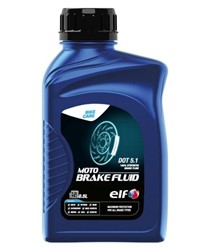
Brake Fluids – A Crucial Component of the Braking System
Every time you get into your car, you probably don’t even think about them. You just start the engine and set off. It’s only when you need to slow down or stop that you pay them any attention. We’re talking about brakes.
The braking system in your vehicle is one of the most important safety mechanisms, whether you drive a car or a motorcycle. After all, accelerating is easy, but stopping at the right moment is what truly matters. One essential element for this is brake fluid.
Wondering why? You might assume that braking is all about discs and pads (or drums and shoes in older cars). However, without brake fluid, these components wouldn’t be able to come into contact, let alone create the friction required for stopping. Brake fluid is responsible for transferring the force from the brake pedal to the pads or shoes, significantly reducing stopping distances – a critical factor, especially in adverse weather conditions.
Brake fluids also play a vital role in maintaining the overall integrity of the braking system. They prevent rubber components from swelling and protect metal parts from corrosion. Choosing the right brake fluid for your car or motorcycle ensures greater durability of these essential braking components.
Brake Fluids for Cars and Motorcycles – Types Explained
Before purchasing, it’s important to understand the different types of brake fluids. This is the key criterion when selecting the right one for your vehicle. The most common types include:
DOT 3 Brake Fluids
Once among the most widely used brake fluids globally, DOT 3 is glycol-based and commonly found in American and Asian vehicles. However, in Europe, it is gradually being replaced by more advanced alternatives. Manufacturers still recommend DOT 3 for older car models and motorcycles.
DOT 4 Brake Fluids
Technologically superior to DOT 3, DOT 4 brake fluid is commonly used in slightly older vehicles. Due to its higher viscosity, it is unsuitable for cars with advanced braking assistance systems. If your vehicle features ABS (Anti-lock Braking System), which is now standard in most modern cars, you should opt for a low-viscosity DOT 4 variant instead.
DOT 5.1 Brake Fluids
These are the most advanced brake fluids available. With significantly lower viscosity, they are ideal for vehicles equipped with braking assistance systems. Additionally, DOT 5.1 brake fluid boasts extended durability. While most brake fluids should be changed every two years, DOT 5.1 allows for a longer service interval of up to three years.
You may also come across DOT 5 fluids, which are silicone-based. Despite their high boiling point and low viscosity, they are rarely used due to their tendency to compress within the braking system, which can negatively impact braking efficiency.
High-Performance Brake Fluids
Specialised for motorsport applications, these fluids are designed for vehicles with hydraulic braking systems. With boiling points exceeding 300°C, they are primarily used in racing cars and motorcycles.
Which Brake Fluid from IC24.UK Should You Choose?
Now that you understand the different types of brake fluids, you can make an informed decision when shopping at IC24.UK. These fluids differ in viscosity, boiling points, and hygroscopic properties.
At IC24.UK, we stock high-quality brake fluids from leading brands, including:
How do you choose the best brake fluid? Should price be the only consideration? Not at all. The cost should not be the determining factor when selecting brake fluid.
Always follow the recommendations of your car or motorcycle manufacturer. If you’re unsure, our experts at IC24.UK are here to help. Contact us via phone or message, and we’ll assist you in selecting not just the right brake fluid, but also other essential automotive parts and accessories.
Ensure your safety and that of other road users by choosing the best brake fluid for your vehicle from IC24.UK.
FAQ
What are the types of braking systems?
There are three main types of braking systems in vehicles: service, emergency, and parking brakes. The service brake allows the driver to control the vehicle’s speed. The emergency brake is used in rare situations when the primary system fails. The parking brake (commonly known as the handbrake) helps keep the vehicle stationary on flat or inclined surfaces. In most modern vehicles, the emergency brake is integrated into the parking brake system.
What should you consider before buying brake system components?
When purchasing brake system components, focus not only on price but also on quality. Since braking systems are crucial for safety, always choose products from reputable OEM (Original Equipment Manufacturer) brands or high-quality aftermarket alternatives.
What are the most common brake system failures?
Like any other car component, brake system parts can fail. The most common issues include worn brake pads, deteriorated brake discs, and brake fluid leaks due to damaged lines. Symptoms of brake system problems include steering wheel vibrations while braking, an unstable driving path, squealing noises, and a spongy brake pedal.