


Brake pipes
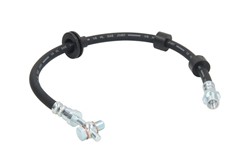
DELPHI
Brake Hose LH7001
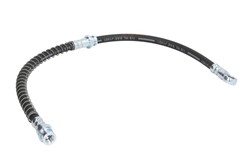
DELPHI
Brake Hose LH7174

DELPHI
Brake Hose LH7274

DELPHI
Brake Hose LH7643
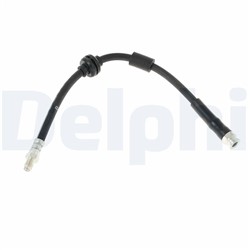
DELPHI
Brake Hose LH7658

DELPHI
Brake Hose LH8054
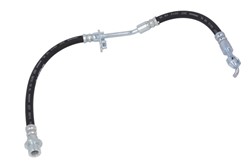
DELPHI
Brake Hose LH6866

DELPHI
Brake Hose LH7955

DELPHI
Brake Hose LH6410
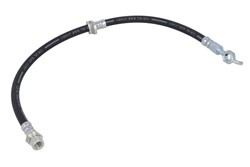
DELPHI
Brake Hose LH6455
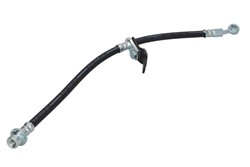
DELPHI
Brake Hose LH6683
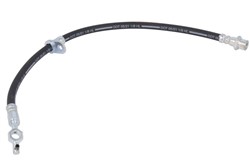
DELPHI
Brake Hose LH6777
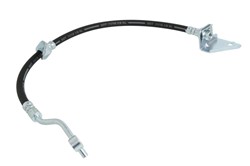
DELPHI
Brake Hose LH7284
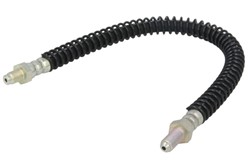
DELPHI
Brake Hose LH5188
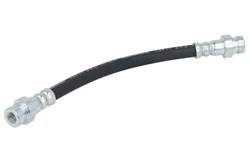
DELPHI
Brake Hose LH6197
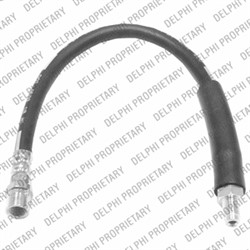
DELPHI
Brake Hose LH6669
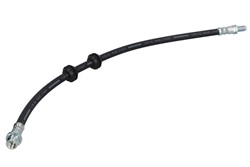
DELPHI
Brake Hose LH6806
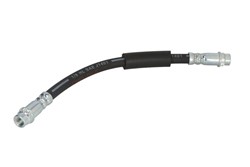
DELPHI
Brake Hose LH6893
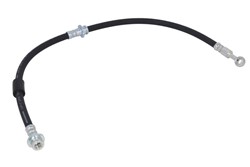
DELPHI
Brake Hose LH6415
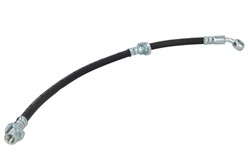
DELPHI
Brake Hose LH6634
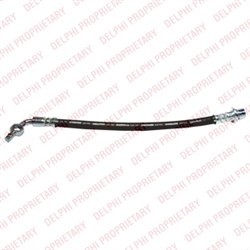
DELPHI
Brake Hose LH6641

DELPHI
Brake Hose LH7367

DELPHI
Brake Hose LH7693
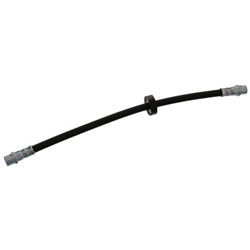
FEBI
Brake Hose FE08487

FEBI
Brake Hose FE172356

FEBI
Brake Hose FE172354
FEBI
Brake Hose FE34058

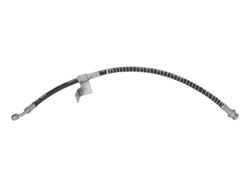
HANS PRIES
Brake Hose HP820 808

HERTH+BUSS JAKOPARTS
Brake Hose J3700599
HOW DOES A BRAKE HOSE WORK IN A VEHICLE?
Brake hoses work by transferring hydraulic pressure from the master cylinder to each individual wheel whenever you press on the pedal. The pressure moves through the brake lines and then into each wheel, applying force on the caliper pistons which in turn apply pressure on your brake disc or drum brakes. This action helps your car come to a stop quickly and safely. The hose has to be flexible, but it also needs to resist bulging or bursting, which is why it’s reinforced
COMMON SYMPTOMS OF A BAD BRAKE HOSE
Brake hoses are exposed to the elements like harsh temperature changes, humidity, and chemical compounds from the road. Over time, they’re going to deteriorate and exhibit bad brake hose symptoms. Five common signs include:
• Leaks – If you see fluid dripping onto one of your rims or the ground and it’s clear or light brown, slightly oily to the touch, and odourless it’s probably a brake fluid leak and it could be coming from a brake hose.
• Spongy brakes – When the pedal feel isn’t firm and consistent when you press it but feels spongy, it indicates air has entered the system, which could be from a bad brake hose.
• Reduced braking power – Some vehicles have a dashboard warning that illuminates when the brake fluid is low, indicating ‘reduced braking power’. One common cause is a leak at a brake hose.
• Squealing or grinding brakes – When a brake hose has deteriorated and collapsed internally, it restricts flow back and forth to the brakes at that wheel. It can cause the brakes to drag, contributing to brake noises all the time, not just when the pedal is pressed.
• Uneven braking application – If a hose is leaking or has collapsed, the car could dive to one side when you apply the brakes or constantly feel like the brakes are on when you’re driving your vehicle.
WHAT CAUSES A BRAKE HOSE TO FAIL?
A few different factors can contribute to brake hose failure. The first and most common is that it can rupture from cracking or aging since rubber gets brittle and dry over time. Or, it can fail from rubbing through against a suspension component or some other type of physical damage.
Brake fluid contamination can also cause a faulty brake hose. If the wrong type of fluid is added, a hose can swell or degrade, causing it to collapse or spring a leak.
WHAT TO DO IF YOU SUSPECT A FAULTY BRAKE HOSE?
First and foremost, if you think you have a brake hose failure, don’t drive your car! It would be risking a accident due to poor brake performance.
Inspect your vehicle’s brakes and confirm that the brake hoses are good. If they aren’t replace the failed hose or hoses before you resume driving. Once you’ve changed the faulty brake hose, make sure you bleed the system and top up the reservoir with clean fluid.
If you need to replace a brake hose, ic24.uk has a huge selection for virtually all makes and models so you can get back to driving confidently.