
Engine radiator HIGHWAY AUTOMOTIVE

HIGHWAY AUTOMOTIVE
Engine radiator 10045019HW

HIGHWAY AUTOMOTIVE
Engine radiator 11031018HW

HIGHWAY AUTOMOTIVE
Engine radiator 11033052HW

HIGHWAY AUTOMOTIVE
Engine radiator 10011023HW
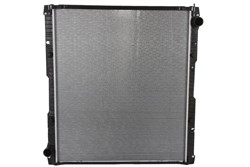
HIGHWAY AUTOMOTIVE
Engine radiator 10045008HW

HIGHWAY AUTOMOTIVE
Engine radiator 11057016HW
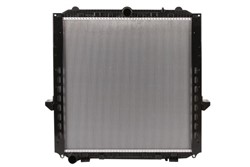
HIGHWAY AUTOMOTIVE
Engine radiator 10033062HW
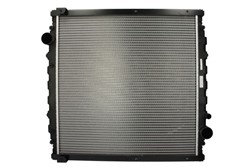
HIGHWAY AUTOMOTIVE
Engine radiator 10031004HW

HIGHWAY AUTOMOTIVE
Engine radiator 10033051HW
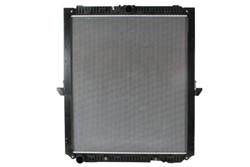
HIGHWAY AUTOMOTIVE
Engine radiator 10033069HW

HIGHWAY AUTOMOTIVE
Engine radiator 10045012HW
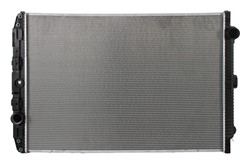
HIGHWAY AUTOMOTIVE
Engine radiator 11011015HW

HIGHWAY AUTOMOTIVE
Engine radiator 11041032HW

HIGHWAY AUTOMOTIVE
Engine radiator 11057004HW

HIGHWAY AUTOMOTIVE
Engine radiator 10031008HW

HIGHWAY AUTOMOTIVE
Engine radiator 10045018HW
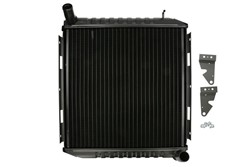
HIGHWAY AUTOMOTIVE
Charge Air Cooler 10108002HW

HIGHWAY AUTOMOTIVE
Engine radiator 10134002HW

HIGHWAY AUTOMOTIVE
Engine radiator 10134005HW

HIGHWAY AUTOMOTIVE
Engine radiator 10137001HW

HIGHWAY AUTOMOTIVE
Engine radiator 11033062HW

HIGHWAY AUTOMOTIVE
Engine radiator 11033127HW
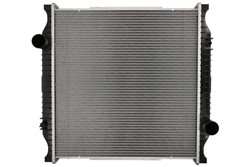
HIGHWAY AUTOMOTIVE
Engine radiator 11041053HW

HIGHWAY AUTOMOTIVE
Engine radiator 11105016HW

HIGHWAY AUTOMOTIVE
Seal, radiator 16106005HW
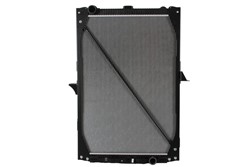
HIGHWAY AUTOMOTIVE
Engine radiator 10011015HW
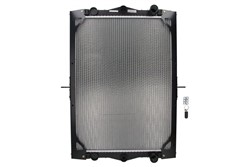
HIGHWAY AUTOMOTIVE
Engine radiator 10011022HW
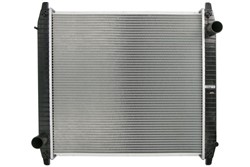
HIGHWAY AUTOMOTIVE
Engine radiator 10021018HW

HIGHWAY AUTOMOTIVE
Engine radiator 10031025HW

HIGHWAY AUTOMOTIVE
Engine radiator 10031061HW
Engine Radiators – High-Quality Cooling Solutions for Your Vehicle | IC24.UK
The engine radiator is a critical component of your vehicle’s cooling system, preventing overheating and ensuring efficient engine performance. Without a properly functioning radiator, your engine could suffer severe damage due to excessive heat buildup. At IC24.UK, we offer a comprehensive range of top-quality engine radiators designed to fit a wide variety of car makes and models.
What Is an Engine Radiator and How Does It Work?
The radiator is responsible for dissipating heat generated by the engine. Coolant flows through the engine, absorbing heat, and is then circulated to the radiator, where the heat is released into the air via a network of thin metal fins. The cooled liquid then returns to the engine, maintaining an optimal operating temperature.
Signs of a Failing Engine Radiator
If you experience any of the following issues, your radiator may need replacing:
- Engine Overheating: A malfunctioning radiator can no longer regulate temperature effectively, leading to an overheating engine.
- Coolant Leaks: Puddles of coolant beneath your car may indicate a leaking radiator or damaged hoses.
- Rust and Corrosion: Over time, rust buildup inside the radiator can cause blockages, reducing its efficiency.
- Sludge in the Coolant: Discoloured or thick coolant can be a sign of internal radiator contamination.
- Damaged Radiator Fins: Bent or clogged fins can prevent proper heat dissipation, affecting cooling performance.
Choosing the Right Radiator for Your Car
When selecting a replacement radiator, consider the following factors:
- Compatibility: Ensure the radiator matches your vehicle’s make, model, and engine specifications.
- Material: Aluminium radiators are lightweight and highly efficient, while copper-brass models offer durability.
- Core Design: A multi-core radiator enhances cooling efficiency, making it ideal for high-performance engines.
- Brand Reputation: Choose radiators from trusted manufacturers for superior performance and longevity.
At IC24.UK, we stock a wide selection of **premium engine radiators** to meet all vehicle requirements.
Why Buy Engine Radiators from IC24.UK?
- Extensive Range: We offer radiators for all major brands, including Audi, BMW, Ford, Mercedes, and more.
- Competitive Prices: Get the best deals without compromising on quality.
- Fast UK Delivery: Quick dispatch ensures your car is back on the road in no time.
- Expert Customer Support: Our specialists can help you choose the perfect radiator for your vehicle.
How to Install a New Radiator
Replacing an engine radiator requires basic mechanical knowledge. Here’s a simplified guide:
- Ensure the engine is cool before starting the process.
- Drain the coolant and remove the hoses connected to the radiator.
- Unbolt and remove the old radiator, taking care not to damage surrounding components.
- Install the new radiator, securing it properly and reconnecting hoses.
- Refill with fresh coolant, check for leaks, and test the system.
If you’re unsure about replacing the radiator yourself, seek assistance from a professional mechanic.
- Engine Radiator Alfa Romeo
- Engine Radiator Audi
- Engine Radiator Bmw
- Engine Radiator Citroen
- Engine Radiator Cupra
- Engine Radiator Dacia
- Engine Radiator Fiat
- Engine Radiator Ford
- Engine Radiator Honda
- Engine Radiator Hyundai
- Engine Radiator Isuzu
- Engine Radiator Jaguar
- Engine Radiator Jeep
- Engine Radiator Kia
- Engine Radiator Land Rover
- Engine Radiator Lexus
- Engine Radiator Lotus
- Engine Radiator Mazda
- Engine Radiator Mercedes-Benz
- Engine Radiator MG
- Engine Radiator Mini
- Engine Radiator Nissan
- Engine Radiator Opel
- Engine Radiator Peugeot
- Engine Radiator Renault
- Engine Radiator Seat
- Engine Radiator Skoda
- Engine Radiator Suzuki
- Engine Radiator Toyota
- Engine Radiator Volvo
- Engine Radiator Vw