
Cabin Filters


PURRO
Filter, cabin air PUR-PA8055


K&N
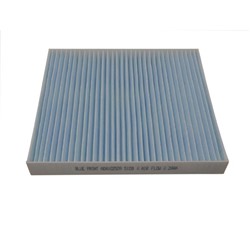
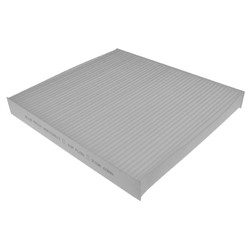
Cabin filter DVF5057 (1 pcs) 215x232x30mm fits MERCEDES; FORD; MAZDA
BLUE PRINT
Filter, cabin air ADA102517
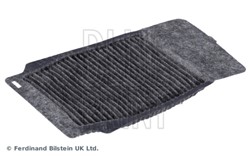
BLUE PRINT
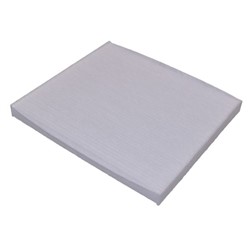
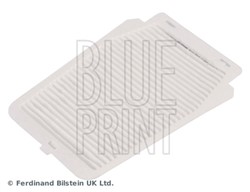
Filter, cabin air ADBP250044
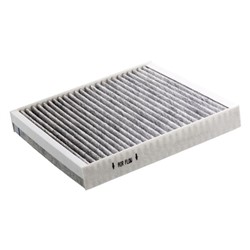
BLUE PRINT
Filter, cabin air ADBP250048
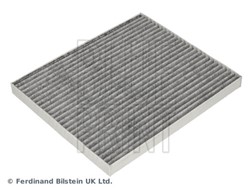
BLUE PRINT
Filter, cabin air ADBP250079

BLUE PRINT
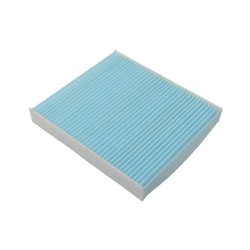
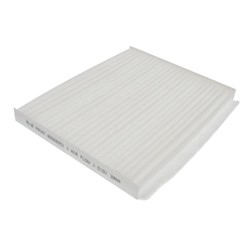
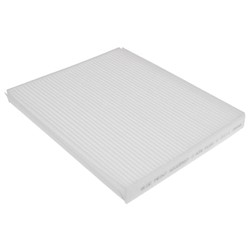
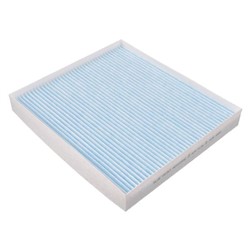
Filter, cabin air ADBP250095
BLUE PRINT
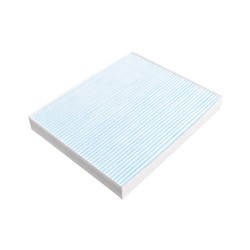
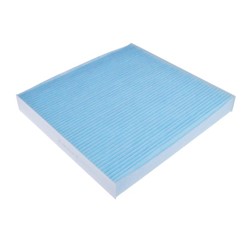
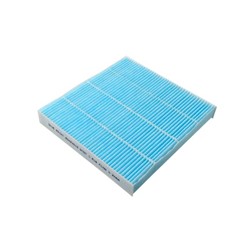
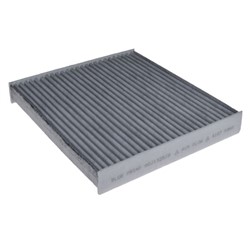
Filter, cabin air ADG02592
BLUE PRINT
Filter, cabin air ADJ132518
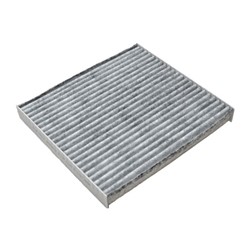
BLUE PRINT
Filter, cabin air ADM52503
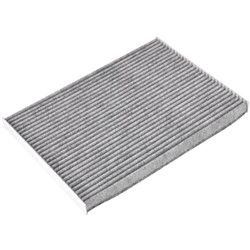
BLUE PRINT
Filter, cabin air ADN12511
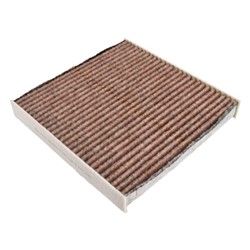
BLUE PRINT
Filter, cabin air ADN12545
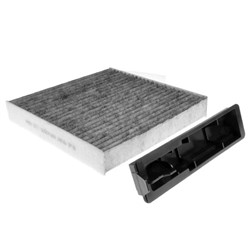
BLUE PRINT
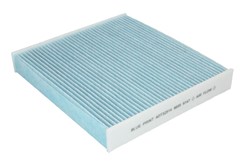
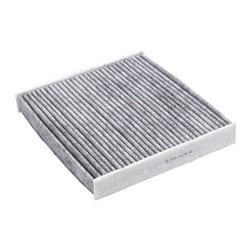
Filter, cabin air ADR162505
BLUE PRINT
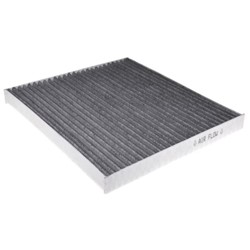
Filter, cabin air ADT32522
BLUE PRINT
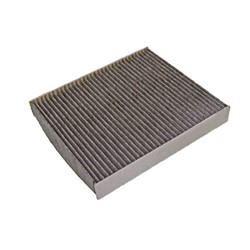
Filter, cabin air ADT32528
BLUE PRINT
Filter, cabin air ADT32552
Cabin Filters – Ensuring Proper Ventilation
Cabin filters are essential components in vehicles, designed to purify the air entering the cabin through the ventilation system. They have a direct impact on driving conditions for both the driver and passengers. A high-quality cabin filter effectively traps dust, sand, pollen, fungi, and smoke. It also prevents small asphalt particles and other pollutants from entering the car interior.
Some filters are also designed to neutralise unpleasant odours, making them ideal for daily commuting in urban areas as well as countryside driving. Unfortunately, the greater the traffic, the higher the level of pollution, making air filtration a necessity.
A good-quality cabin air filter should be selected based on the material to maximise efficiency. Different filtration layers capture various particles, ensuring cleaner air inside the vehicle. Cleaner air not only enhances driver and passenger comfort but also improves the efficiency of the air conditioning system. Therefore, it is recommended to replace the cabin filter during seasonal air conditioning servicing.
Cabin filters should also be replaced if you notice issues such as a foggy windscreen. Allergy sufferers should consider more frequent replacements. As a general rule, the filter should be changed once a year unless driving conditions are extreme or the car is used excessively.
Types of Cabin Filters
There are different types of cabin filters based on their function. The standard filters use a special fibre or paper material to trap particles. However, when clogged, they reduce airflow to the cabin and can even contribute to the growth of mould and bacteria. A cabin filter that is not regularly replaced may also damage the blower motor, leading to costly repairs.
Another option is the activated carbon cabin filter, which has an additional carbon layer that not only captures pollutants but also helps to eliminate odours. This means a significant reduction in unwanted smells entering the car.
Activated carbon filters also play a crucial role in reducing harmful exhaust gas particles. They help minimise irritation to the nasal and eye mucous membranes, reducing the risk of allergic reactions and respiratory discomfort, ultimately enhancing driving comfort.
At IC24.UK, you can find specialised cabin filters designed to block larger pollutants, making them particularly useful for filtering out smog—a common issue in busy cities. If you frequently find yourself stuck in traffic, this type of filter is highly recommended.
How Cabin Filters Improve Driving Experience
It’s a good practice to replace the cabin air filter when changing your engine oil or servicing the air conditioning system. Ideally, this should be done at least once a year or after 10,000-15,000 miles to maintain air quality in the cabin and ensure a safe driving environment.
The cabin filter is located in a designated compartment near the car’s dashboard. For best results, it is advisable to have it replaced by a professional. At IC24.UK, we offer a wide range of cabin filters that are also supplied to automotive workshops. Our selection includes highly efficient filters that protect against allergens, improving safety on the road. Allergy symptoms can affect concentration and reaction times, making clean air a critical factor for driver safety.
By choosing products from IC24.UK, you also reduce exposure to smog and fine dust in your vehicle. To maintain optimal air quality, avoid opening the windows while driving. Cabin filters also protect against harmful fuel residues, such as hydrocarbons, nitrogen oxides, carbon monoxide, and particulate matter, which are especially prevalent in older vehicles.
To ensure maximum protection and comfort, always choose high-quality filters. At IC24.UK, we offer a wide selection of products at various price points. Our filters feature advanced designs that effectively purify the air, ensuring you find the perfect fit for your vehicle and budget.
FAQ
How to Choose a Cabin Filter?
Cabin filters should be selected based on your car’s make and model, as well as your driving habits. If you drive frequently in highly polluted urban areas, it is essential to choose a filter made from high-quality materials. Standard filters efficiently capture dust, road debris, and soot. However, activated carbon filters are a better option for absorbing harmful substances and odours, making them ideal for allergy sufferers.
What Are Cabin Filters?
Cabin filters purify the air by removing dust, pollen, sand, smoke, and other contaminants. They also help improve cabin air quality, ensuring a more comfortable ride. It is recommended to replace the filter at least once a year or every 10,000-15,000 miles. If you frequently drive in polluted areas, more frequent replacements may be necessary.
Why Should You Replace Cabin Filters?
Regular replacement of cabin filters is crucial for maintaining your car’s performance and your health. A clogged filter can damage the ventilation system and lead to costly repairs. Additionally, an old or blocked cabin filter fails to prevent pollutants from entering the vehicle, negatively impacting passengers’ health and overall comfort.