
Fitting position


Link/Coupling Rod, stabiliser bar

FAG
Link/Coupling Rod, stabiliser bar 818 0340 10

FAG
Link/Coupling Rod, stabiliser bar 818 0368 10

FAG
Link/Coupling Rod, stabiliser bar 818 0400 10
FAG
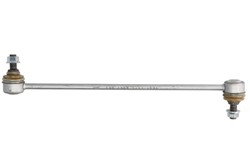
Link/Coupling Rod, stabiliser bar 818 0409 10
FAG
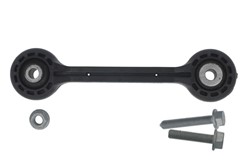
Link/Coupling Rod, stabiliser bar 818 0428 10

FAG
Link/Coupling Rod, stabiliser bar 818 0429 10

FAG
Link/Coupling Rod, stabiliser bar 818 0474 10

FAG
Link/Coupling Rod, stabiliser bar 818 0504 10

FAG
Link/Coupling Rod, stabiliser bar 818 0516 10

FAG
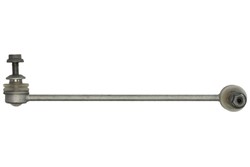
Link/Coupling Rod, stabiliser bar 818 0652 10
FAG
Link/Coupling Rod, stabiliser bar 818 0075 10

FAG
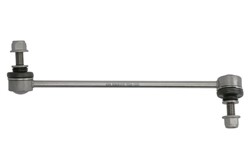
Link/Coupling Rod, stabiliser bar 818 0288 10
FAG
Link/Coupling Rod, stabiliser bar 818 0518 10

FAG
Link/Coupling Rod, stabiliser bar 818 0533 10

FAG
Link/Coupling Rod, stabiliser bar 818 0606 10

FAG
Link/Coupling Rod, stabiliser bar 818 0076 10

FAG
Link/Coupling Rod, stabiliser bar 818 0289 10

FAG
Link/Coupling Rod, stabiliser bar 818 0306 10

FAG
Link/Coupling Rod, stabiliser bar 818 0352 10

FAG
Link/Coupling Rod, stabiliser bar 818 0438 10
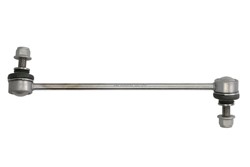
FAG
Link/Coupling Rod, stabiliser bar 818 0517 10

FAG
Link/Coupling Rod, stabiliser bar 818 0530 10

FAG
Link/Coupling Rod, stabiliser bar 818 0687 10

FAG
Link/Coupling Rod, stabiliser bar 818 0054 10

FAG
Link/Coupling Rod, stabiliser bar 818 0074 10
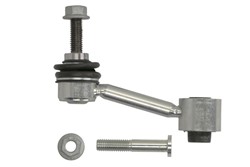
FAG
Link/Coupling Rod, stabiliser bar 818 0195 10

FAG
Link/Coupling Rod, stabiliser bar 818 0273 10
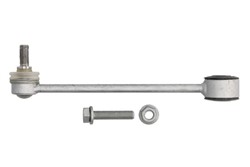
FAG
Link/Coupling Rod, stabiliser bar 818 0316 10

FAG
Link/Coupling Rod, stabiliser bar 818 0505 10

FAG
Link/Coupling Rod, stabiliser bar 818 0627 10
Sway Bar Links – What Are They and Why Are They Important?
Sway bar links are crucial suspension components that connect the stabilizer bar to the control arm or the suspension strut. Typically mounted on both the front and rear axles, these links consist of ball joints and rubber elements designed to absorb vibrations during driving.
Sway bar links vary in length and stiffness depending on the car model. The thicker the link, the more force it can transfer. Despite their importance, these components are relatively delicate and may wear out after only 10,000–15,000 km of driving. Common signs of worn sway bar links include knocking, squeaking, or creaking noises from the wheels, especially when driving on uneven surfaces at low speeds. It's also vital to watch for reduced handling performance, often caused by looseness in the links, which compromises the effectiveness of the stabilizer bar. This gradual process can be hard to detect without regular vehicle inspections.
Replacing a sway bar link is not overly complicated. Professional workshops usually charge a modest fee for replacing a single link. However, it's advisable to replace both links on the same axle simultaneously to maintain balanced suspension performance.
The first step in replacing a sway bar link involves removing the wheel, followed by loosening the link from both the stabilizer bar and the control arm or shock absorber. Since the bolts are often corroded, a rust remover like WD-40 may be necessary. In extreme cases, cutting the bolts or even the entire link may be required. Once the bolts are loosened, slightly lifting the car can help slide out the old link.
Sway Bar Links – Extensive Selection at IC24.UK Store
Sway bar links, like any other car parts, must be tailored to the specific vehicle model. For instance, sway bar links for Renault vehicles differ from those for Audi or Volkswagen models. It's essential to ensure compatibility when ordering parts.
Luckily, IC24.UK offers a vast selection of sway bar links and other suspension components for most popular car models.
The range includes sway bar links from top manufacturers such as:
- Moog,
- Delphi,
- Sasic,
- Febi,
- Yamato,
- TRW,
- Topran.
The extensive inventory of automotive and suspension parts ensures that even novice drivers can find suitable products. With a user-friendly online store, every customer can quickly find components that match their vehicle's requirements.
A worn sway bar link is relatively easy to identify due to its distinctive noise when malfunctioning. Knocking sounds over bumps or potholes often indicate a failing sway bar link. The noise typically originates from the ball joint, where the mounting bolt and the rubber shock absorber are located. Faulty sway bar links can compromise handling quality and may damage other suspension components, such as the stabilizer bars. Regular inspections are crucial to identifying issues early and maintaining safe driving conditions.
Why Buy Sway Bar Links from IC24.UK?
Few drivers perform minor car repairs themselves. Most rely on mechanics to recommend and install appropriate parts. Following professional advice is often the easiest way to ensure high-quality repairs.
Shopping online at IC24.UK is fast and convenient. The store offers a wide range of parts from leading manufacturers, and its streamlined delivery process makes purchasing car components straightforward and hassle-free.
FAQ
What are sway bar links, and what is their purpose?
Sway bar links are suspension components that connect the stabilizer bar to the control arm or suspension strut. They include ball joints and rubber elements that reduce vibrations while driving. Mounted on both front and rear axles, they vary in length and stiffness, influencing vehicle handling.
What are the signs of worn sway bar links?
Worn sway bar links may produce knocking, squeaking, or creaking noises, particularly on uneven surfaces. Reduced handling performance and looseness in the links are also symptoms. Replacing sway bar links is straightforward but should be done in pairs.
Why buy sway bar links from IC24.UK?
IC24.UK provides a wide selection of sway bar links for various car models. The store features products from reputable manufacturers, ensuring quality and compatibility. Online shopping at IC24.UK is quick, convenient, and supported by efficient delivery services. Regular vehicle inspections help detect issues early.