
Fitting position


Track control arm

LEMFOERDER
Track control arm LMI38967
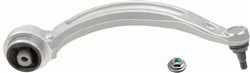
LEMFOERDER
Track control arm LMI39311
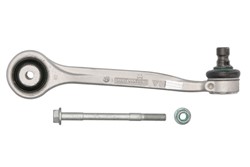
LEMFOERDER
Track control arm LMI39315
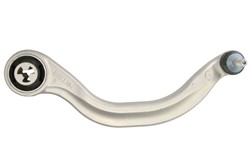
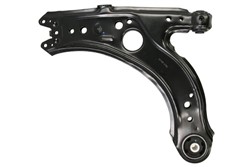
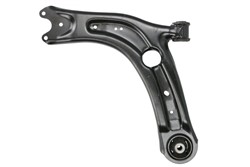
LEMFOERDER
Track control arm LMI42369
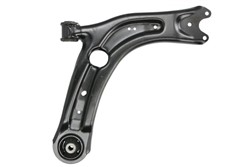
LEMFOERDER
Track control arm LMI42370
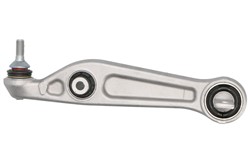
LEMFOERDER
Track control arm LMI45299
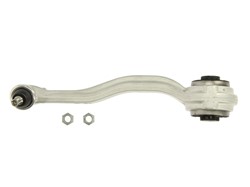
LEMFOERDER
Track control arm LMI29633
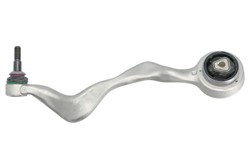
LEMFOERDER
Track control arm LMI30332
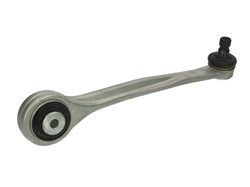
LEMFOERDER
Track control arm LMI35685
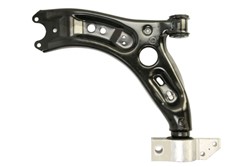
LEMFOERDER
Track control arm LMI36173
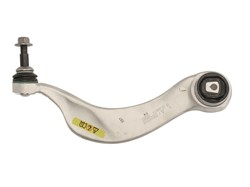
LEMFOERDER
Track control arm LMI36210
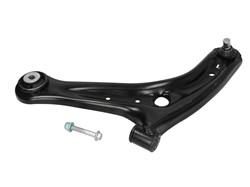
LEMFOERDER
Track control arm LMI36918
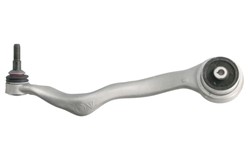
LEMFOERDER
Track control arm LMI36939
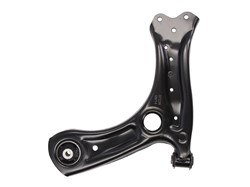
LEMFOERDER
Track control arm LMI37238
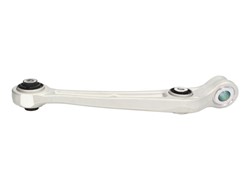
LEMFOERDER
Track control arm LMI37486

LEMFOERDER
Track control arm LMI38182
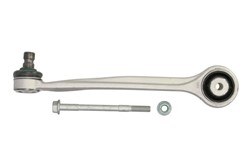
LEMFOERDER
Track control arm LMI39312

LEMFOERDER
Track control arm LMI39381
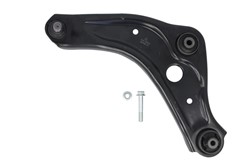
LEMFOERDER
Track control arm LMI42765

LEMFOERDER
Track control arm LMI45787
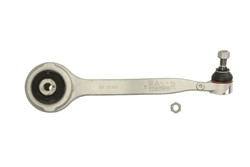
LEMFOERDER
Track control arm LMI29634
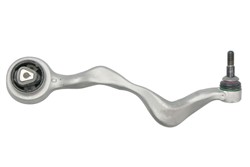
LEMFOERDER
Track control arm LMI30333
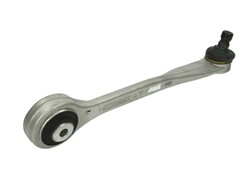
LEMFOERDER
Track control arm LMI35686
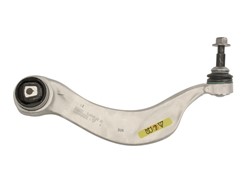
LEMFOERDER
Track control arm LMI36211
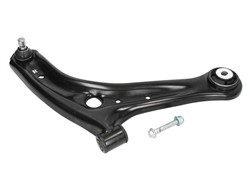
LEMFOERDER
Track control arm LMI36919
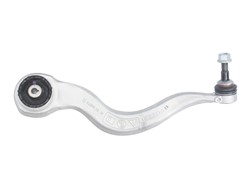
LEMFOERDER
Track control arm LMI37115
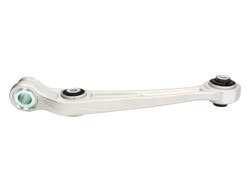
LEMFOERDER
Track control arm LMI37487
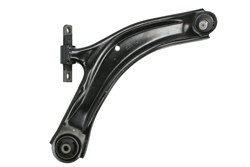
LEMFOERDER
Track control arm LMI38168
Track Rod – What Is It and Where Is It Located?
Track rods are suspension linkage components designed to limit the movement of the vehicle's axle relative to the chassis or frame. They convert longitudinal forces into lateral ones, providing enhanced stability and maintaining suspension geometry.
Track rods have been in use since the early 20th century (e.g., the Panhard rod) and are still commonly found today, especially in the rear suspension of both front-wheel and rear-wheel drive vehicles. Transverse track rods are also frequently used in off-road vehicles with raised suspension, which is more prone to instability. Additionally, these rods are widely utilised in tractor-trailers and lorries to counteract the effects of rear axle load on suspension performance.
In some vehicles, such as older Mercedes models, track rods also served as front control arms (in conjunction with a second positioning rod).
A track rod is usually installed at the lower part of the wheel suspension, connecting it to the chassis. It is made of a steel tube or rod with rubber-metal elements at both ends, allowing for flexibility on the mounting axes. Not all manufacturers include track rods in their vehicle designs.
Rubber components of track rods wear out over time. Symptoms of damaged track rods include rear axle instability, knocking noises on uneven roads, and misaligned suspension geometry (e.g., uneven tyre wear or unusual cornering behaviour). These issues can mimic problems with stabilisers or control arm bushings, so it’s essential to check all possible causes before replacing the track rod.
A track rod can be damaged during a collision or when hitting an obstacle. A bent rod may cause the axle to be misaligned with the vehicle’s longitudinal axis, which can be easily detected by measuring the suspension geometry.
Suspension Systems with Track Rods – How to Repair Them?
A worn track rod may not be noticeable during calm driving, as the suspension experiences minimal forces. However, during dynamic cornering, looseness in its rubber-metal components can cause the axle to shift suddenly, leading to a loss of vehicle control. Regular inspection of suspension components, including track rods, is therefore crucial.
Like stabiliser links, track rod components cannot be repaired or refurbished. Replacement parts must be purchased as complete units, and suspension geometry should be adjusted in a workshop after installation.
Track rods typically experience minimal wear under normal driving conditions (unless they also function as control arms or have additional roles). As a result, they are rarely replaced—often only every several hundred thousand kilometres in front-wheel-drive vehicles with rear suspensions. This long lifespan means drivers may overlook this component and prematurely replace other, more expensive suspension parts, which may not solve handling or uneven tyre wear issues. Diagnosing a damaged track rod requires thorough inspection to identify its non-specific symptoms accurately.
When purchasing a track rod, ensure it matches your vehicle model. Choose high-quality parts from trusted manufacturers like Inter Cars for durability and reliability.
Track Rod – Essential for Your Safety
Any damage or wear to suspension components reduces stability and compromises a vehicle's handling. Misaligned suspension geometry can prevent tyres from making proper contact with the road, leading to uneven force distribution and reduced performance. A severely worn track rod can cause these issues, affecting safety and increasing tyre and mechanical component wear.
A particularly hazardous symptom of a damaged track rod is axle "floating." Suspension instability can make the vehicle unpredictable, causing it to become either excessively understeer or oversteer depending on conditions (sometimes within the same corner). This instability greatly increases the risk of losing control and accidents.
Although rear suspension track rods may seem less critical, their wear or damage is just as dangerous as any other suspension component. If you notice any of the symptoms described earlier, thoroughly investigate the cause and replace all necessary parts.
FAQ
What Is the Purpose of a Track Rod?
The track rod absorbs forces encountered during driving, such as centrifugal force during braking or general gravitational forces. Acting as a stabiliser, it dampens these forces, preventing excessive body roll. This enhances the vehicle's stability and grip on the road, contributing to safety.
When Should a Track Rod Be Replaced?
Track rod replacement is necessary when visible damage such as cracks, excessive wear, corrosion, or loose connections are observed. Additionally, if you hear knocking or clunking sounds from the suspension while driving, it may indicate track rod damage. Remember, the track rod is a wear-and-tear component that should be regularly inspected during maintenance. Replacement intervals vary depending on the vehicle model and age, so consult a mechanic or the manufacturer for guidance.
How to Choose the Right Track Rod?
Here are some factors to consider when selecting this component:
- Vehicle model: Track rods vary between vehicles, so ensure compatibility with your car.
- OE number: This unique identifier used by the manufacturer helps find the correct track rod for your model. If unsure, consult your mechanic.
- Dimensions: Measure the track rod's length and end diameters to confirm it fits your vehicle.
- Brand and quality: Opt for components from reputable manufacturers.
- Manufacturer recommendations: Follow specific guidelines for your vehicle to ensure proper fit and performance.