
Fitting position


Wheel bearing
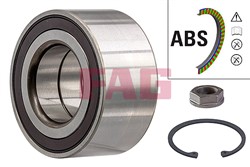
FAG
Wheel bearing kit 713 6506 90
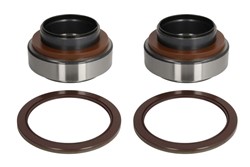
PETERS
Wheel bearing 140.280-10

SNR
Wheel bearing HDS218

SNR
Wheel bearing kit R152.98
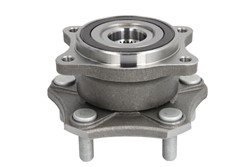
BTA
Wheel bearing H18025BTA
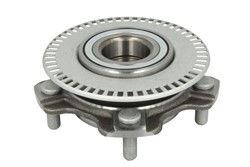
BTA
Wheel bearing H18022BTA
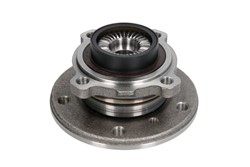
BTA
Wheel bearing kit H1B024BTA
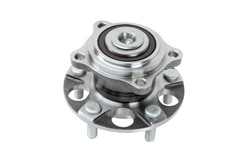
BTA
Wheel bearing H25045BTA

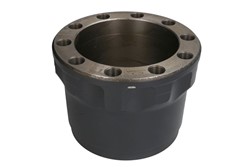
BTA
Wheel hub B04-ME003


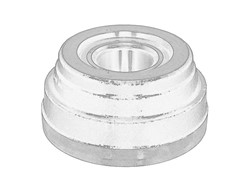


SKF
Wheel bearing kit VKBA 2422


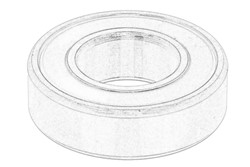
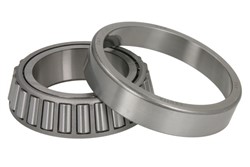
CARRARO
Repair Kit, differential 27256-CR
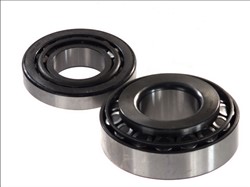
DT SPARE PARTS
Wheel bearing 5.30137

OE FORD
Gasket, coolant pipe 2325059
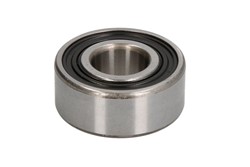
ATHENA
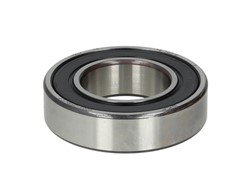
Wheel bearing MS170400160M3 Front/Rear SKF 62203/2rsc3 (inner diameter 40mm/outer diameter 17mm/height 16mm) fits CAGIVA; DUCATI; HUSQVARNA
ATHENA
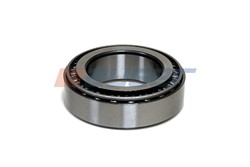
Wheel bearing MS250470120M3 Front/Rear SKF 6005/2rsc3 (inner diameter 47mm/outer diameter 25mm/height 12mm) fits APRILIA; CAGIVA; DUCATI; GAS GAS; HUSABERG; HUSQVARNA; KAWASAKI; KTM; MOTO MORINI
AUGER
Wheel bearing AUG56617

AUGER
Wheel bearing AUG91159

AUGER
Wheel bearing AUG54477

DT SPARE PARTS
Wheel bearing 1.16460

DT SPARE PARTS
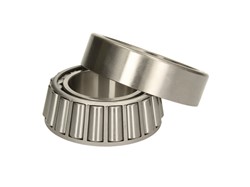
Wheel bearing 1.16042
DT SPARE PARTS
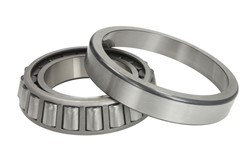
Wheel bearing 1.17233
FAG
Wheel bearing FAG30218A
Car Wheel Bearings
Car wheel bearings are components located within wheel hubs. They enable the wheels to rotate around their axis smoothly. Car wheel bearings serve a critical function by reducing friction. Additionally, wheel bearings ensure the smooth operation of the wheels. High-quality bearings from reputable manufacturers are known for their durability. Some of the most trusted brands include BTA, 4 Ride, Meyle, SKF, and FAG.
It’s worth understanding the construction of car wheel bearings. They typically consist of an outer and an inner ring, along with balls and cages. These balls move between the two rings, enabling wheel bearings to rotate the wheels with minimal resistance.
Like all car components, wheel bearings require regular replacement. Fortunately, top-quality car bearings from leading brands will serve you reliably and ensure trouble-free driving.
How Often Should You Replace a Car Wheel Bearing?
The replacement of a wheel bearing depends on various factors, including the car’s operating conditions, driving style, and the quality of the wheel bearing.
As a general recommendation, replace a car wheel bearing when you notice signs of wear or damage. Common symptoms include noise, vibrations, oil leaks, or increased braking distance. If any of these signs occur, it’s crucial to replace the bearing immediately.
Other replacement guidelines suggest following the maintenance instructions in your car’s manual or technical documentation. Typically, wheel bearings should be replaced every 100,000 km or after 5-7 years of use.
Driving style also affects the lifespan of wheel bearings. Aggressive driving or carrying heavy loads can lead to quicker wear of the front or rear wheel bearings. If your driving habits place additional strain on your bearings, make sure to schedule regular inspections. When replacement is necessary, choose parts from trusted suppliers like Inter Cars.
How to Identify a Faulty Car Wheel Bearing?
A faulty wheel bearing can often be identified by noise. Damaged car wheel bearings produce distinctive sounds, such as humming, creaking, or knocking. These sounds intensify as the car accelerates and usually come from the wheel area during rotation. At higher speeds, these noises might be masked by tire or wind noise.
Another sign of faulty wheel bearings is vibration, particularly noticeable in the steering wheel or felt by passengers in the rear seats.
Uneven Driving and Extended Braking Time
Damaged wheel bearings can cause uneven driving. This occurs because a loose or imbalanced wheel leads to vibrations and instability.
Another symptom of a defective wheel bearing is increased braking distance. A damaged front or rear wheel bearing compromises the wheel’s stability and traction, making braking less efficient.
Oil Leaks and Maintenance Tips for Car Wheel Bearings
One of the consequences of a damaged wheel bearing is oil leakage. This happens when the lubricant applied to the bearing surface starts to escape. To maintain wheel bearings, regularly check their condition. Avoid driving on uneven surfaces and ensure proper wheel balancing and overall vehicle maintenance. These practices will help wheel bearings last longer.
FAQ
What Are Wheel Bearings Used For?
Wheel bearings are suspension components that enable smooth vehicle movement. They consist of an inner and outer ring and balls placed between them. These parts are in constant motion as the car moves, reducing friction and ensuring smooth wheel rotation.
When Should You Replace Wheel Bearings?
Wheel bearings are wear-and-tear parts. While they can last up to 500,000 km under ideal conditions, replacement is usually required between 100,000 and 150,000 km. Common indicators include noise, such as humming or droning, especially during turns, as well as vibrations and unstable steering.
How to Choose the Right Wheel Bearings?
Start by checking the specifications for bearings that match your vehicle’s make and model. Opt for components from trusted brands to ensure high-quality materials and compliance with safety standards. Additionally, select bearings with the correct diameter and width for your car’s wheels. Proper installation is essential to avoid bearing damage and ensure driving safety.