
Shock absorbers DACIA LOGAN
#WSK
Select year
(66)
(66)
(66)
(66)
(54)
(54)
2012.10
(56)
(74)
(74)
(49)
(74)
(74)
(67)
(74)
(74)
(55)
(55)
(55)
(54)
(55)
(53)
(54)
(55)
(55)
(53)
(90)
(55)
2012.12
(55)
(55)
(55)
(55)
2012.12
(55)
(65)
(48)
2012.12
(50)
2011.12
(63)
(65)
(55)
(50)
(63)
2012.12
(48)
(70)
(63)
(66)
(55)
2013.06
(48)
(65)
2013.06
(55)
(50)
2012.12
(63)
(70)
(66)
(63)
(55)
(65)
(55)
2012.12
(48)
(50)
(63)
(64)
(77)
(77)
(62)
2011.03
(64)
(62)
(64)
2012.12
(62)
(62)
2016.08
(63)
(59)
(77)
2013.06
(64)
(77)
(77)
(62)
(64)
(62)
(62)
(64)
2013.08
(77)
(62)
(62)

SACHS
Shock absorber 317 417

SACHS
Shock absorber 317 418
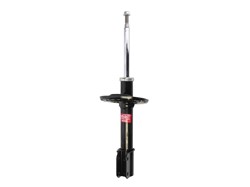
KYB
Shock absorber KYB338749

TRW
Shock absorber JGM1150S

KYB
Shock absorber KYB338759

KYB
Shock absorber KYB343836
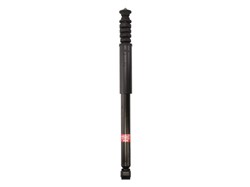
KYB
Shock absorber KYB343833
Dacia Logan: Common Problems, Repairs, and Maintenance
Introduction
The Dacia Logan, produced by the Romanian automobile manufacturer Dacia, is a popular budget-friendly vehicle known for its practicality and affordability. However, like all cars, it is not without its issues. In this guide, we will explore the most common problems faced by Dacia Logan owners, along with recommendations on repairs, maintenance, and the essential consumables that require regular attention.
Common Problems in Dacia Logan
The Dacia Logan, despite its reputation for being a reliable and cost-effective car, does face a few common issues that owners should be aware of. Here are some of the most frequently encountered problems:
1. Electrical Issues
Many owners report electrical issues, especially with the central locking system and windows. These problems can be traced back to faulty wiring or malfunctioning control units. If you experience issues with the locks or windows, a thorough inspection of the electrical components is necessary.
2. Timing Belt Failure
Like many vehicles, the Dacia Logan is prone to timing belt wear and failure. The timing belt should be replaced every 60,000 to 100,000 miles depending on the model year and engine type. Failing to replace the timing belt on time can result in significant engine damage, making timely replacement essential.
3. Rust Issues
Rust is a common problem, particularly in older models or those that are frequently exposed to salty environments. The Dacia Logan's undercarriage and bodywork are vulnerable to corrosion, and it is important to inspect these areas regularly. Prevention through rustproofing treatments can extend the lifespan of the vehicle.
4. Suspension Problems
Over time, the suspension components of the Dacia Logan, such as the shock absorbers and suspension bushes, can wear out, leading to a bumpy or uncomfortable ride. Replacing these parts is a relatively simple repair that can significantly improve the car's handling and comfort.
5. Gearbox and Clutch Wear
Some Dacia Logan owners report issues with the gearbox and clutch, particularly in manual transmission models. Symptoms include difficulty shifting gears, slipping clutch, or poor acceleration. Regular maintenance of the clutch and gearbox is crucial to avoid expensive repairs.
Regular Maintenance and Consumables
To keep the Dacia Logan running smoothly, regular maintenance and timely replacement of consumables are essential. Below are the recommended intervals for the most important maintenance tasks:
1. Engine Oil and Filter
Regular oil changes are vital for the longevity of the engine. It is recommended to change the engine oil and oil filter every 10,000 to 15,000 miles, depending on the type of driving you do and the oil you use. Ensure you use the recommended oil grade as specified in the owner's manual for optimal performance.
2. Air Filter
The air filter prevents dirt and debris from entering the engine, ensuring smooth operation. It should be replaced every 15,000 to 30,000 miles or sooner if you notice a drop in engine performance or fuel efficiency.
3. Brake Pads and Discs
Brake components are critical for safety. Brake pads typically need replacing every 30,000 to 40,000 miles, but this can vary depending on driving conditions. Regularly check the brake pads for wear and replace them as necessary. Also, inspect the brake discs for signs of wear or damage and replace them if required.
4. Timing Belt
The timing belt should be replaced every 60,000 to 100,000 miles. Failure to replace the timing belt at the recommended intervals can result in engine failure. Keep an eye on any unusual noises from the engine or a warning light on the dashboard, which may indicate timing belt issues.
5. Coolant and Radiator Fluid
Maintaining the proper level of coolant is essential for the engine’s cooling system to work effectively. The coolant should be checked regularly and topped up if necessary. It is also recommended to replace the coolant every 2 to 3 years to prevent overheating and potential damage to the radiator.
6. Transmission Fluid
If your Logan has an automatic transmission, the transmission fluid should be replaced every 30,000 to 60,000 miles to ensure smooth shifting and prevent transmission wear. Manual transmission models generally require less frequent fluid changes.
7. Spark Plugs
Spark plugs should be checked and replaced every 30,000 to 60,000 miles. Worn spark plugs can cause poor engine performance, misfires, and reduced fuel efficiency.
Tips for Preventing Common Problems
While regular maintenance is crucial for the Dacia Logan, there are also several things you can do to prevent common problems from arising in the first place:
1. Drive Carefully
Avoid aggressive driving, such as sudden acceleration or hard braking, which can cause unnecessary wear on components like the suspension, gearbox, and brakes. Smooth driving extends the lifespan of your car's parts.
2. Regularly Inspect for Rust
Inspect the car's undercarriage and bodywork regularly for early signs of rust. Touch up chipped paint and apply rustproofing treatments to prevent long-term damage.
3. Keep Your Car Clean
Washing the car regularly helps prevent dirt, grime, and salt from accumulating and causing wear or corrosion. Make sure to clean the wheel wells and undercarriage, especially after winter driving when salt may have been used on the roads.
4. Check Tire Pressure
Under-inflated tires can lead to uneven tire wear, poor fuel efficiency, and unsafe driving conditions. Regularly check tire pressure and ensure the tires are rotated periodically to ensure even wear.
Conclusion
The Dacia Logan is a reliable, budget-friendly car, but like all vehicles, it requires regular maintenance to keep it running smoothly. By staying on top of common issues, addressing repairs promptly, and following a proper maintenance schedule, you can ensure that your Logan serves you well for many years. Whether it's replacing the timing belt, checking for rust, or ensuring the brakes are functioning properly, proactive care can save you from costly repairs and ensure your safety on the road.
- Engine Oil DACIA LOGAN
- Car Body DACIA LOGAN
- Engine Parts DACIA LOGAN
- Tyres DACIA LOGAN
- Wiper Blades DACIA LOGAN
- Brake Discs DACIA LOGAN
- Brake Pads DACIA LOGAN
- Oil Filters DACIA LOGAN
- Fuel Filters DACIA LOGAN
- Air Filters DACIA LOGAN
- Suspension Parts DACIA LOGAN
- Stabilizer DACIA LOGAN
- Ignition/Glow System DACIA LOGAN
- Bulbs DACIA LOGAN
- Car Filters DACIA LOGAN
- Clutch DACIA LOGAN
- Batteries DACIA LOGAN
- Tuning DACIA LOGAN
- Engine Radiator DACIA LOGAN
- Exhaust System DACIA LOGAN
- Intake System DACIA LOGAN
- Intercoolers DACIA LOGAN
- Brake Calipers DACIA LOGAN
- Muffler DACIA LOGAN
- Flywheel DACIA LOGAN
- Brakes DACIA LOGAN