
Shock absorbers DACIA SANDERO
#WSK
Select year
(66)
(66)
2012.12
(56)
(74)
2020.09
(54)
(74)
(49)
(74)
(74)
(81)
(67)
(67)
2013.06
(55)
2013.06
(55)
(54)
(55)
(55)
(90)
2012.12
(55)
2012.12
(53)
2012.12
(48)
2012.12
(50)
2013.06
(55)
2013.06
(65)
2012.12
(63)
(70)
(63)
(66)
(55)
2012.12
(64)
2012.12
(77)
2012.12
(77)
2012.12
(64)
2012.12
(64)
2012.10
(62)
2012.12
(60)
2013.06
(62)
(63)

MAGNUM TECHNOLOGY
Shock absorber AGR134MT

MAGNUM TECHNOLOGY
Shock absorber AGR163MT
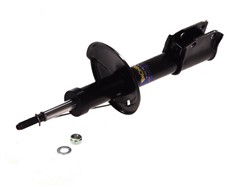
MONROE
Shock absorber MONG7203

MAGNUM TECHNOLOGY
Shock absorber AGR133MT

SACHS
Shock absorber 315 691

MEYLE
Shock absorber 16-26 623 0003
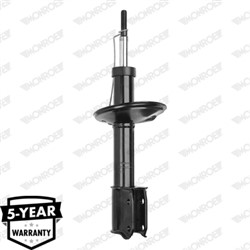
MONROE
Shock absorber MONG7369

MONROE
Shock absorber MONG1147

SACHS
Shock absorber 315 527

KYB
Shock absorber KYB3330016

BILSTEIN
Shock absorber 19-346496

BILSTEIN
Sports shock absorber B6 22-235367 Front DACIA LOGAN, SANDERO; RENAULT LOGAN EXPRESS, LOGAN I, SANDERO/STEPWAY I
Dacia Sandero: Common Problems, Repairs, and Maintenance
The Dacia Sandero is a popular budget-friendly hatchback known for its practicality and low cost of ownership. However, like any car, it has its share of common issues and required maintenance to keep it running smoothly. In this guide, we'll explore the most frequent problems with the Dacia Sandero, the parts that need regular attention, and the necessary maintenance to prolong its life.
Common Problems with the Dacia Sandero
While the Dacia Sandero is generally reliable, there are a few issues that owners may encounter over time. Here are some of the most common problems:
1. Electrical Issues
The electrical system of the Sandero, particularly the battery and alternator, can develop problems after several years of use. Owners report issues such as warning lights flickering on the dashboard, electrical components malfunctioning, and difficulties starting the car. These problems can often be traced to a weak battery or a faulty alternator. Regular checks of the electrical system can prevent these issues.
2. Timing Belt Problems
The timing belt is an essential component of the engine. If not replaced at the correct intervals, it can cause significant engine damage. For the Dacia Sandero, it is recommended to replace the timing belt every 60,000 to 100,000 miles, depending on the model and engine type. Failure to do so can result in engine misfires, stalling, and costly repairs.
3. Suspension Wear
Another common issue with the Dacia Sandero is premature suspension wear. The front suspension components, including the shock absorbers and springs, are prone to wear after 60,000 miles or more. This can lead to a rough ride, poor handling, and increased tire wear. Replacing the suspension components can improve driving comfort and safety.
4. Clutch Issues
Clutch problems, such as slipping or stiff pedal operation, are commonly reported in the Dacia Sandero, particularly in models with higher mileage. A failing clutch may require early replacement, especially if the car is frequently used in stop-and-go traffic. Ensuring proper clutch maintenance can extend its lifespan.
5. Gearbox Problems
Some Dacia Sandero owners have experienced issues with the gearbox, particularly in earlier models. Problems such as difficulty changing gears, grinding noises, or leaks from the transmission are common. Regular transmission fluid changes and early diagnosis of gearbox issues can prevent costly repairs.
6. Overheating Engine
Overheating can be a problem in the Dacia Sandero, especially if the coolant levels are not regularly checked or the radiator is clogged. Overheating can lead to severe engine damage if not addressed promptly. Ensuring proper coolant maintenance is key to preventing this issue.
Parts That Need Regular Replacement
To ensure the longevity of the Dacia Sandero, several parts require regular attention and timely replacement. These include:
1. Oil and Oil Filters
Regular oil changes are essential to keep the engine running smoothly. For the Dacia Sandero, it is recommended to change the engine oil and replace the oil filter every 10,000 to 12,000 miles. Using the correct grade of oil specified in the owner's manual is crucial for optimal engine performance.
2. Air Filters
The air filter prevents dirt and debris from entering the engine. It should be replaced every 12,000 to 15,000 miles to maintain optimal engine efficiency and fuel economy. A clogged air filter can reduce engine performance and increase fuel consumption.
3. Brake Pads and Discs
Brake pads should be inspected regularly for wear, especially if you notice reduced braking performance or increased noise. Brake pads typically need replacement every 20,000 to 30,000 miles, depending on driving habits. Brake discs may also need replacement if they become worn or damaged.
4. Spark Plugs
Replacing the spark plugs ensures smooth engine operation. They should be replaced every 30,000 to 40,000 miles, depending on the type of spark plugs used. Worn-out spark plugs can cause misfires, reduced fuel efficiency, and engine roughness.
5. Timing Belt
As mentioned earlier, the timing belt should be replaced at the manufacturer's recommended interval. This is critical to avoid engine damage. Failure to replace the timing belt in time can result in costly repairs.
6. Battery
While car batteries typically last 3 to 5 years, it is important to check the battery's condition regularly. Cold weather can also shorten battery life. A weak battery can cause starting issues, so consider replacing it if it shows signs of aging.
Maintenance Schedule
To keep the Dacia Sandero running efficiently, following a regular maintenance schedule is essential. Here's an overview of key maintenance tasks and their recommended intervals:
Every 10,000 to 12,000 miles
- Change engine oil and oil filter
- Check and replace air filters if necessary
- Inspect brake pads and discs
- Inspect tire tread and pressure
Every 20,000 to 30,000 miles
- Replace brake pads (if worn)
- Inspect and replace spark plugs
- Check suspension components
Every 60,000 to 100,000 miles
- Replace timing belt
- Inspect and replace the water pump (if needed)
Recommended Fluids and Oils
Using the right fluids is crucial for maintaining the Dacia Sandero’s performance. The following are recommended:
1. Engine Oil
Always use the recommended oil type, typically a 5W-30 or 5W-40 fully synthetic oil. This ensures proper lubrication and engine protection.
2. Brake Fluid
Brake fluid should be replaced every 2 years or 24,000 miles to ensure effective braking performance. Use DOT 4 fluid as recommended by the manufacturer.
3. Transmission Fluid
Transmission fluid should be checked regularly and replaced if necessary, typically every 60,000 to 100,000 miles. Make sure to use the specific transmission fluid recommended by Dacia.
4. Coolant
Coolant should be replaced every 4 years or 50,000 miles to prevent engine overheating and corrosion. The coolant used should be a high-quality antifreeze mixture, typically a 50:50 mix of water and coolant.
- Engine Oil DACIA SANDERO
- Car Body DACIA SANDERO
- Engine Parts DACIA SANDERO
- Tyres DACIA SANDERO
- Wiper Blades DACIA SANDERO
- Brake Discs DACIA SANDERO
- Brake Pads DACIA SANDERO
- Oil Filters DACIA SANDERO
- Fuel Filters DACIA SANDERO
- Air Filters DACIA SANDERO
- Suspension Parts DACIA SANDERO
- Stabilizer DACIA SANDERO
- Ignition/Glow System DACIA SANDERO
- Bulbs DACIA SANDERO
- Car Filters DACIA SANDERO
- Clutch DACIA SANDERO
- Batteries DACIA SANDERO
- Tuning DACIA SANDERO
- Engine Radiator DACIA SANDERO
- Exhaust System DACIA SANDERO
- Intake System DACIA SANDERO
- Intercoolers DACIA SANDERO
- Brake Calipers DACIA SANDERO
- Muffler DACIA SANDERO
- Flywheel DACIA SANDERO
- Brakes DACIA SANDERO